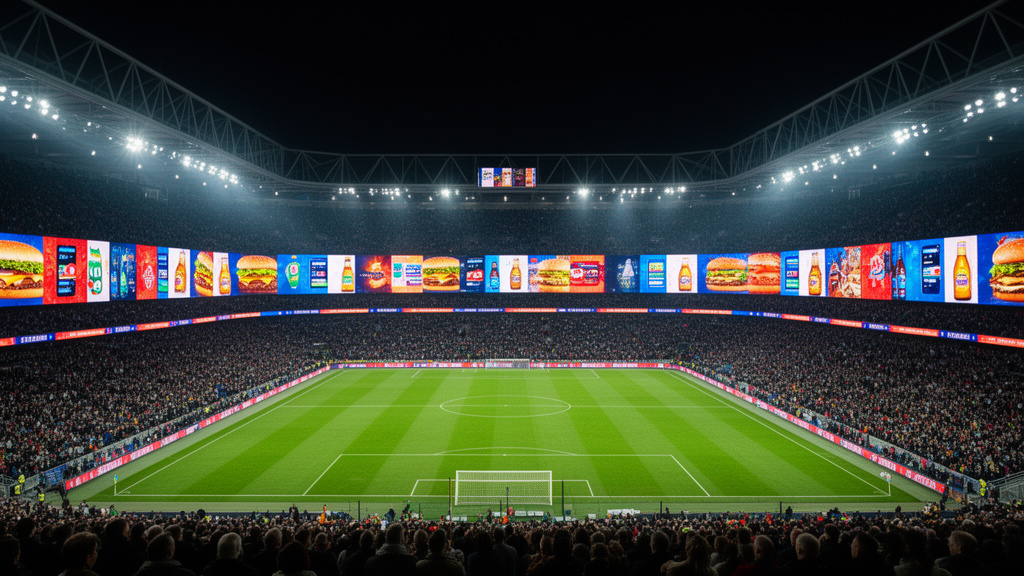
The 2022 FIFA World Cup was more than just a global festival of football; it was a high-frequency battleground for the world’s most powerful marketing machines. A groundbreaking study conducted by researchers at the University of Bristol has revealed that viewers were exposed to branding for gambling, alcohol, and ultra-processed food (UPF) at an average interval of every seven seconds. This analysis, which leveraged artificial intelligence to audit the broadcast environment, paints a concerning picture of how “health-harming” commodities are normalized through the world’s most popular sporting event.
The Methodology of Exposure
The researchers at the University of Bristol utilized cutting-edge AI image recognition software to analyze the visual feed of the 2022 World Cup matches. By tracking the frequency and duration of logos and promotional materials, the study moved beyond anecdotal observation into quantifiable data. The results were stark: the commercial footprint left by major sponsors in the alcohol, gambling, and junk food sectors was not merely an occasional presence, but an “omnipresent” feature of the viewing experience. Every time the camera panned across the pitch, the digital advertising hoardings, or the pre- and post-match studio setups, the likelihood of encountering a health-harming product advertisement was mathematically high.
The Three Pillars of Harm
The study categorized the identified branding into three primary pillars that directly conflict with public health initiatives championed by organizations such as the World Health Organization (WHO).
1. Ultra-Processed Foods (UPFs): With fast-food chains often holding exclusive partnership tiers with global sports bodies, the association between elite athleticism and high-calorie, low-nutrient food is cemented in the minds of viewers. The AI audit highlighted how effectively these brands dominate the visual real estate during high-tension moments of a match.
2. Alcohol Branding: Despite stringent laws in many host countries and FIFA’s own fluctuating policies regarding alcohol sales within stadiums, the broadcast reach remains global. Alcohol branding was found to be a consistent feature, creating a seamless psychological link between the excitement of a goal and the consumption of alcoholic beverages.
3. Gambling and Betting: Perhaps the most aggressive growth sector, gambling advertising has seen an exponential rise in sports broadcasting. The Bristol study emphasized that this constant exposure creates a “habituation effect,” particularly concerning for younger audiences who are conditioned to associate the sport with betting apps and odds.
The Normalization of Health-Harming Behaviors
Beyond the raw frequency of the ads, the true impact lies in the context of the consumption. Sports sponsorship relies on the “halo effect,” where the values of the sport—passion, teamwork, physical prowess, and community—are subconsciously transferred to the brand. When a viewer watches a superstar athlete, the presence of a fast-food logo or a betting app is not perceived as a sales pitch; it is perceived as an endorsement. This environment makes it significantly more difficult for public health campaigns to counteract the normalization of unhealthy dietary habits and risky financial behaviors.
Regulatory Disconnect and the 2026 Horizon
The University of Bristol findings highlight a massive gap between current regulatory frameworks and the reality of commercial broadcasting. While many nations have banned or restricted the advertising of “unhealthy” products during children’s programming, international sports broadcasts often occupy a grey area, evading these protections by broadcasting to a global audience.
With the 2026 FIFA World Cup approaching, hosted by the United States, Canada, and Mexico, the stakes are elevated. These nations have varying degrees of regulation regarding gambling and food advertising. The Bristol study serves as a critical “call to action” for governing bodies to consider the long-term public health implications of their sponsorship portfolios. If the “seven-second” frequency holds true for 2026, it will present a significant challenge for health advocates attempting to limit the influence of corporate “harm-associated” branding on the next generation of football fans.
FAQ: People Also Ask
Why is the “seven-second” frequency a problem?
It indicates that the branding is not incidental—it is strategic and omnipresent. This creates a continuous cognitive feedback loop where the viewer cannot disengage from marketing, normalizing the consumption of unhealthy products as part of the sports experience.
Did the study differentiate between types of “unhealthy” brands?
Yes. The research specifically segmented the data into ultra-processed foods, alcohol, and gambling. Each category presents different public health risks, from obesity and non-communicable diseases to financial addiction, all of which are amplified by sports-related dopamine spikes.
What are the implications for future World Cups?
Experts suggest this data provides the leverage needed to demand stricter sponsorship guidelines. There is growing pressure on FIFA and other sports organizers to align their commercial partnerships with global health guidelines, specifically regarding the exposure of minors to gambling and high-sugar/high-fat food advertisements.