The Diplomatic U-Turn: A Calculated Pivot
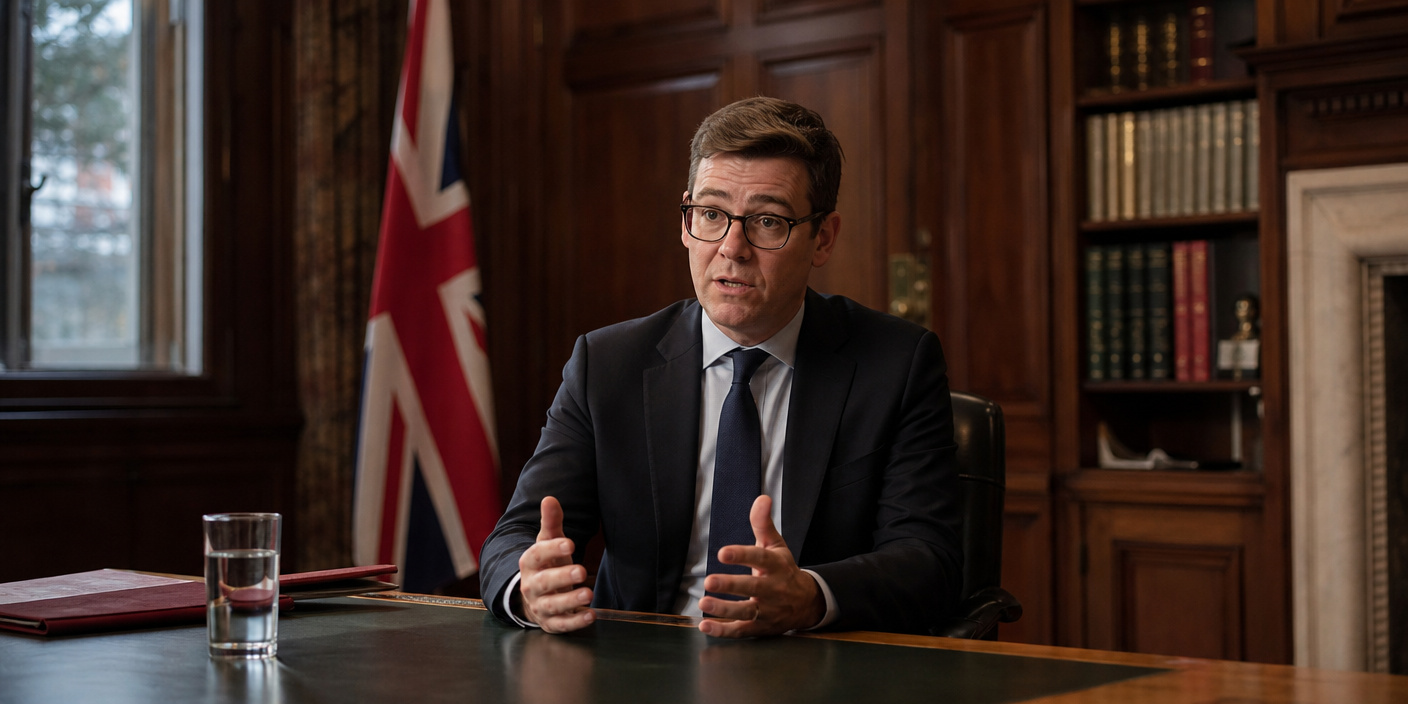
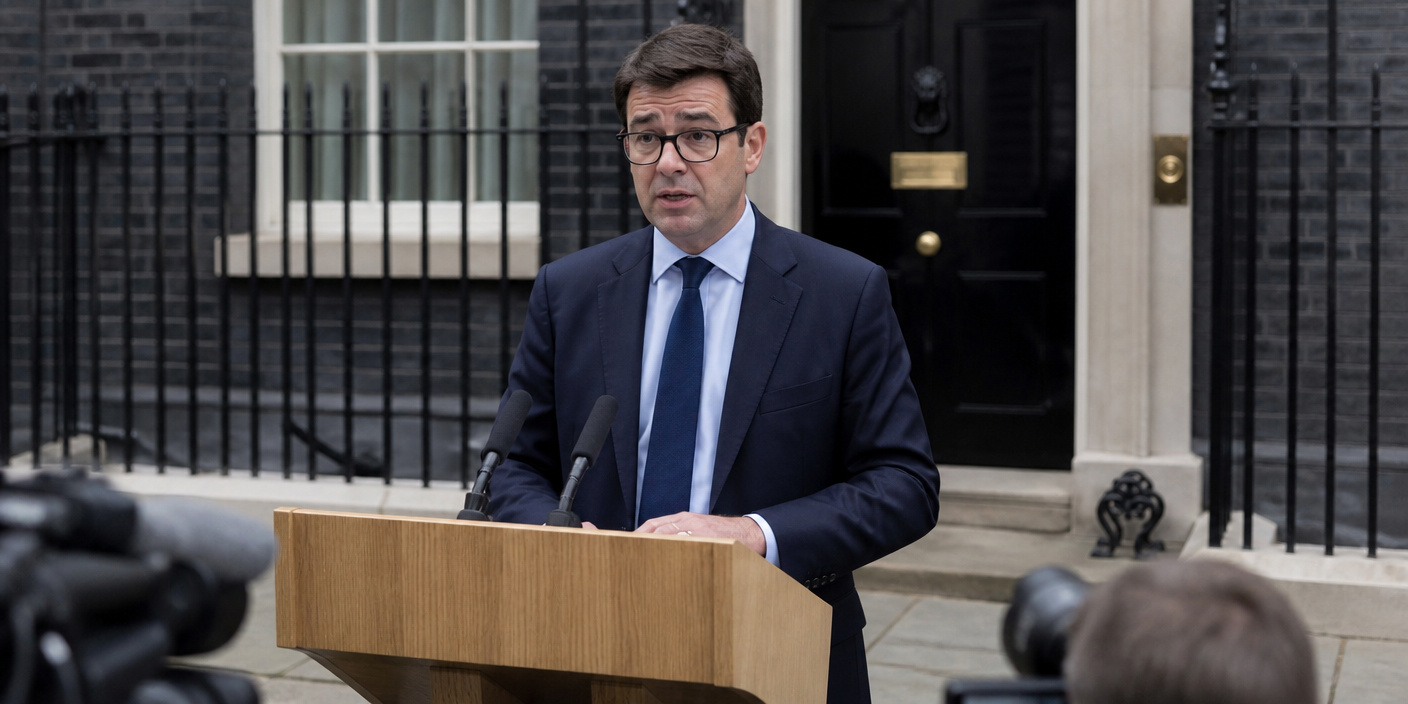
Prime Minister Andy Burnham has confirmed that the UK will rework the deal to return the Chagos Islands to Mauritius following public criticism from US President Donald Trump, who labeled the agreement ‘terrible.’ This unexpected announcement marks a significant and sudden reversal in British foreign policy, signaling a pivot intended to align London more closely with the incoming American administration’s strategic security priorities.
The decision to revisit the deal, which had been months in the negotiation phase, throws the future of the Chagos Archipelago into a state of deep uncertainty. The original framework was designed to resolve a long-standing territorial dispute that has persisted for decades, ostensibly granting sovereignty to Mauritius while retaining the vital military base on the island of Diego Garcia. However, the intervention of President Trump has fundamentally altered the calculus in Downing Street, forcing Prime Minister Burnham to prioritize the ‘Special Relationship’ with the United States over the diplomatic closure of a colonial-era legacy.
Key Highlights
- Immediate Renegotiation: Prime Minister Andy Burnham has formally halted the ratification process for the Chagos Islands handover to Mauritius.
- The ‘Trump Effect’: The decision follows direct and public criticism from President Donald Trump, who characterized the original deal as a significant strategic error.
- Security Stakes: The primary sticking point remains the joint UK-US military facility on Diego Garcia, which the US views as a non-negotiable asset in the Indo-Pacific theatre.
- Diplomatic Fallout: The reversal places the UK in a precarious position regarding international law and its bilateral relationship with Port Louis.
The Geopolitical Crossroads: Diego Garcia and Beyond
The central issue driving the re-evaluation of the Chagos deal is the strategic significance of Diego Garcia. The atoll hosts a joint military base that serves as a cornerstone of US and UK maritime power in the Indian Ocean. Strategically located between Africa, India, and the Middle East, the base allows for rapid deployment capabilities and intelligence gathering that are central to the Western security architecture in the region.
Analysts argue that the original deal, while legally sound under international standards, created anxieties within the American security establishment regarding long-term access. By handing sovereignty to Mauritius, the UK risked creating a lease arrangement that could, in theory, be subject to future shifts in Mauritian political alignment or external influence, particularly from rising regional powers. President Trump’s dismissal of the deal as ‘terrible’ reflects a broader ‘America First’ approach to global defense infrastructure: if the US requires access to the base, the risk of territorial uncertainty is viewed as an unacceptable variable.
Historical Context: Sovereignty vs. Security
The Chagos Islands have been the subject of an intense legal and moral struggle since the late 1960s, when the UK government forcibly displaced the local population to make way for the construction of the Diego Garcia military base. For decades, the international community, including the United Nations and the International Court of Justice, has pressured London to decolonize the archipelago and restore it to Mauritius.
The previous iteration of the deal attempted to thread an impossible needle: returning sovereignty to satisfy international legal pressures while guaranteeing a 99-year lease for the military base to satisfy the US. Now, by reopening these negotiations, Prime Minister Burnham faces a complex, multi-front diplomatic challenge. He must satisfy the American security requirements without completely alienating the international community, which has already invested heavily in the expectation of a peaceful transfer of sovereignty.
Economic and Regional Implications
The repercussions of this freeze extend beyond the military sphere. Mauritius has long viewed the return of the Chagos Islands as a critical step in its post-colonial national identity. The freezing of the deal will likely lead to heightened diplomatic tensions in the Indian Ocean region. Economically, the uncertainty threatens to stall potential investment in the maritime resources surrounding the archipelago.
Furthermore, the move complicates the UK’s global standing. Britain has been attempting to reassert its influence as a ‘Global Britain’ post-Brexit, and the ability to resolve territorial disputes amicably was seen as a key diplomatic tool. By bowing to external pressure from a single, albeit vital, ally, the government is signalling that its foreign policy remains deeply tethered to the preferences of the White House. Critics argue this leaves the UK looking indecisive and vulnerable to external intervention, while proponents of the freeze suggest that in an era of heightened global volatility, maintaining the trust of the US military establishment is the single most important metric of national security.
The Road Ahead: Navigating the New Deal
What happens next is highly speculative, but several paths are emerging. First, Downing Street may seek a ‘guaranteed access’ clause that goes beyond standard lease agreements, potentially involving a permanent military exclusion zone or a tripartite agreement that includes the United States as a formal party to the sovereignty transfer. This would be a significant shift in diplomatic protocol, elevating the US from a mere tenant of the UK to a central architect of the island’s future status.
Second, there is the potential for an indefinite delay in the transfer. By keeping the legal status in a state of suspended animation, the UK could maintain the current military setup without officially finalizing a deal that President Trump has condemned. This ‘soft pause’ approach, however, risks further angering the UN and the International Court of Justice, potentially leading to increased international sanctions or a decline in Britain’s soft power influence.
Ultimately, Prime Minister Burnham’s move to pause and renegotiate is a high-stakes gamble. He is betting that the strategic advantages of pleasing the American administration outweigh the costs of diplomatic isolation and the disappointment of the Chagossian people, who have waited generations for a resolution to their displacement. As the new negotiations begin, the world will be watching to see if the ‘Special Relationship’ can produce a compromise that survives the realities of 21st-century geopolitics.
FAQ: People Also Ask
Why does the US military base on Diego Garcia matter so much?
Diego Garcia is a crucial hub for US long-range bombers and reconnaissance aircraft. It provides the reach necessary to monitor and project power across the Indian Ocean, the Middle East, and parts of Asia. It is widely considered one of the most important strategic assets for Western power projection outside of the continental US.
How will this affect the displaced Chagossian people?
The uncertainty of the deal is a significant blow to the displaced Chagossian community, many of whom reside in the UK, Mauritius, and the Seychelles. For those hoping for the right to return to their ancestral home, the reopening of negotiations means their potential resettlement is delayed indefinitely, prolonging their decades-long struggle for justice.
What does ‘reworking the deal’ actually entail?
While the specific terms are confidential, ‘reworking the deal’ likely means drafting stronger guarantees for the US regarding long-term base access. This could include ironclad legal protections that prevent future Mauritian governments from altering the terms of the lease, or perhaps even bringing the US into the sovereignty agreement as a formal guarantor to ensure the base’s future is never in question.
Is this unprecedented for the UK government?
While diplomatic reversals happen, stalling a deal that has already been announced and is in the process of implementation is a rare and significant move. It signals a major shift in priority, where domestic or bilateral security interests have overridden previous commitments to international law and multi-lateral diplomacy.