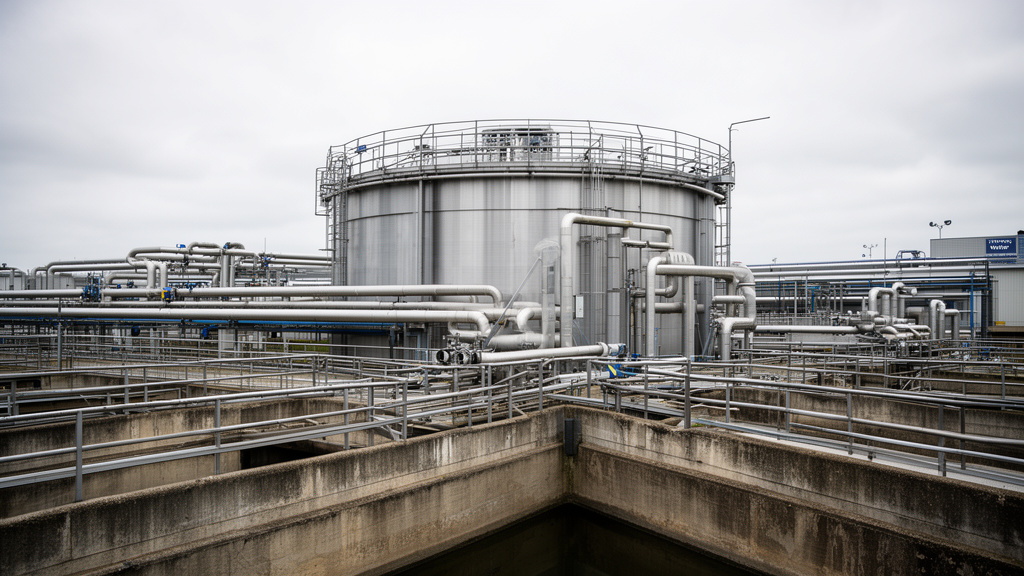
Thames Water is facing an existential financial crisis, having formally requested £2.4 billion in new equity funding from its creditors and shareholders to prevent the company from falling into insolvency. The firm, which supplies water to approximately 16 million people across London and the Thames Valley, has signaled that without this urgent cash injection, it faces the risk of being placed into the government’s Special Administration Regime (SAR) before the end of the year or by early 2027. This development marks a defining moment for the UK’s privatized utility model, raising profound questions about the stability of essential infrastructure when burdened by significant leverage.
Key Highlights
- Urgent Capital Need: Thames Water requires an immediate £2.4 billion equity injection to stabilize its liquidity and avoid a collapse into administration.
- Risk of SAR: Failure to secure the funding could trigger the Special Administration Regime, a process where the government temporarily takes control of the utility.
- Regulatory Standoff: The request comes amid ongoing negotiations with Ofwat regarding bill increases and investment plans for the upcoming regulatory period.
- Debt Burden: The utility is operating under a mountain of debt, estimated at approximately £15 billion, which limits its ability to self-finance necessary infrastructure upgrades.
The Anatomy of the Financial Precipice
The current financial distress at Thames Water is not an overnight occurrence but rather the culmination of years of debt-fueled expansion and complex corporate structuring. The £2.4 billion request is the latest, and most desperate, attempt by the company’s management to keep the business afloat without triggering a full state intervention. The funds are earmarked not just for general operations, but for critical infrastructure maintenance—work that has been criticized by environmental groups and regulators alike as being severely neglected.
The Liquidity Gap and Shareholder Resistance
For months, the relationship between Thames Water and its shareholders has been strained. Earlier in 2024, existing shareholders refused to inject further capital, citing an unfavorable regulatory environment and the stringent demands imposed by Ofwat, the industry regulator. This left the company in a precarious position, effectively burning through its cash reserves while facing significant capital expenditure requirements. The request for £2.4 billion is a pivot from previous strategies, aimed at finding new investors or securing agreement from current ones that the company can return to a sustainable path if it receives the necessary liquidity. The challenge, however, remains convincing markets that Thames Water is a viable, long-term investment, particularly when the company’s cost of borrowing has risen significantly due to its credit ratings being downgraded by major agencies.
The Specter of Special Administration (SAR)
The UK government has long maintained that it does not want to nationalize the water industry, but it has a robust contingency plan in the form of the Special Administration Regime. If Thames Water were to run out of money and be unable to secure private funding, the government would be legally obliged to step in. Under SAR, the company would continue to operate as normal—keeping taps running and sewage treatment active—but it would effectively be under public control while the government seeks a long-term resolution, likely involving a total restructuring or a breakup of the business. This would be a massive blow to the investors who have poured money into the company over the last two decades, as their equity would likely be wiped out in the process.
Regulatory Tension: The Ofwat Factor
At the heart of this crisis is the ongoing tension with Ofwat. Thames Water management has argued that the regulator’s proposed limits on bill increases are insufficient to cover the costs of the massive investment required to upgrade the UK’s aging water and sewage network. Ofwat, conversely, has accused the company of poor management and failing to prioritize infrastructure investment over dividends and interest payments in past years. This cycle of finger-pointing has created a stalemate, where the regulator demands better service and lower debt, while the company demands higher revenues to fund those improvements. The £2.4 billion funding round is, in many ways, an attempt to bypass this deadlock by proving that the company can attract private capital, provided that the regulatory framework offers enough certainty for investors to believe that Thames Water can turn a profit in the future.
Infrastructure and Long-Term Viability
Beyond the boardroom, the real-world impact of the Thames Water crisis is found in the pipes, treatment plants, and reservoirs. The company has a legal and moral obligation to curb sewage overflows and reduce leakage rates, both of which are currently at unacceptable levels according to government metrics. The £2.4 billion injection is intended to fund a portion of the planned capital expenditure required to bring the infrastructure up to modern standards. However, many analysts suggest that this sum is merely a stopgap. To truly solve the issues facing the Thames Water system, some experts argue that tens of billions of pounds—rather than just a few billion—may be required over the coming decade. Whether the private sector is willing to commit that kind of capital, given the company’s track record, remains the multi-billion-pound question.
FAQ: People Also Ask
Q: What exactly is the ‘Special Administration Regime’ (SAR)?
A: The SAR is a legal framework that allows the government to step in and take control of a failing essential utility. It ensures that services continue uninterrupted for consumers while the government manages the transition, which could eventually lead to the company being restructured or sold off to new owners.
Q: Will this funding request increase my water bill?
A: While the £2.4 billion is meant to be shareholder/creditor equity rather than direct bill-payer money, the underlying negotiations with Ofwat involve requests for higher customer bills. Thames Water claims they need higher revenue to fund improvements, but this is a point of heavy contention with the regulator.
Q: Why does Thames Water have so much debt?
A: Since its privatization in the 1980s, Thames Water, like many other UK water companies, engaged in a model where infrastructure upgrades were funded by debt rather than reinvesting profits. Over time, interest payments on this debt have eaten into the company’s operating budget, leading to the current crisis.
Q: Is the water supply at risk of being shut off?
A: No. Even if Thames Water were to enter administration, the government would keep the utility running. Water supply is a critical national infrastructure, and there are legal mechanisms in place to ensure that consumers will still receive water and that sewage systems remain functional regardless of the company’s corporate financial status.