Hitachi Energy has officially unveiled plans for a landmark $479-million investment in London, Ontario, a move designed to fortify North America’s strained energy infrastructure. This facility, slated for completion by 2028, will focus specifically on the production of transformer insulation—a critical component that has become a major bottleneck in the continent’s electrification transition. By establishing this manufacturing base, Hitachi Energy is not merely expanding its footprint; it is strategically positioning itself to address the severe supply chain shortages currently plaguing the power grid. The investment will generate over 100 high-value jobs, injecting significant economic vitality into the Southwestern Ontario manufacturing sector while solidifying the region’s status as a key node in the North American clean-energy supply chain.
Key Highlights
- Investment Value: A massive $479-million capital injection to localize critical infrastructure production.
- Strategic Goal: Mitigating the chronic supply shortage for transformer components essential for power grid modernization.
- Job Creation: Commitment to over 100 high-value, technical, and manufacturing roles in London, Ontario.
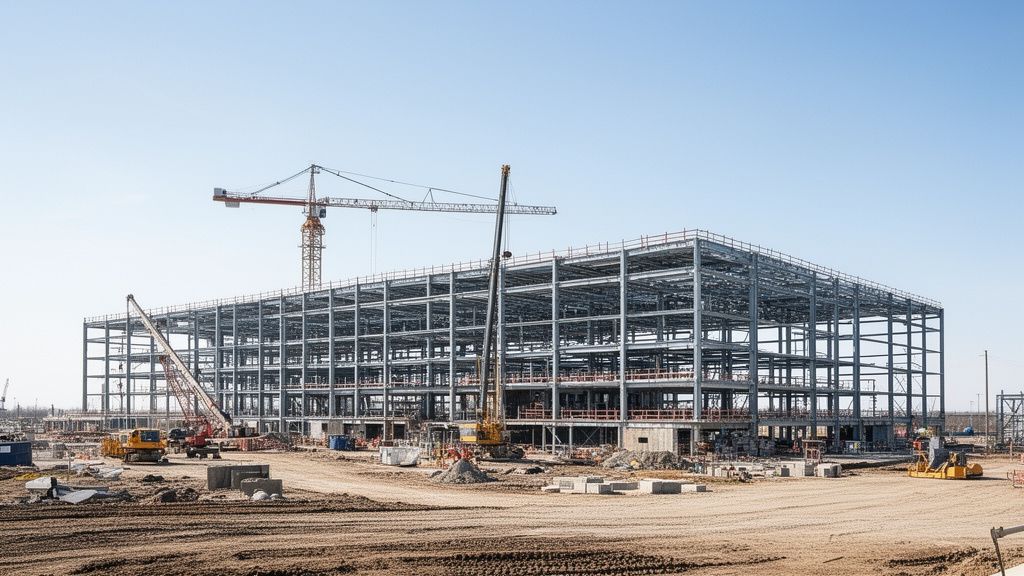
- Timeline: Facility construction is underway with a scheduled operational completion date of 2028.
The Strategic Pivot to Localization
The decision by Hitachi Energy to anchor such a substantial investment in London, Ontario, represents a calculated response to the global energy grid crisis. For decades, the energy sector relied on highly globalized, elongated supply chains for specialized electrical components. However, the post-pandemic reality, combined with the aggressive push for decarbonization and the rapid growth of data centers—which are immense power consumers—has exposed the fragility of these systems.
Transformers, specifically, have become the Achilles’ heel of the energy transition. They are the workhorses of the electrical grid, necessary for transmitting electricity from generation sources to end-users. Without sufficient transformer capacity, utilities cannot connect new renewable projects, nor can they upgrade existing networks to handle the rising demand from electric vehicles (EVs) and artificial intelligence workloads. By producing insulation materials domestically in London, Hitachi Energy is effectively shortening the supply chain, reducing lead times, and insulating North American utilities from international trade volatility.
The Critical Role of Transformer Insulation
To the average observer, “transformer insulation” might sound like a mundane industrial detail. In the world of power engineering, however, it is the fundamental barrier that prevents short circuits and high-voltage failures within transformers. The material science required to produce high-grade insulation is highly specialized. It requires clean-room environments and precise manufacturing processes that meet international safety standards.
By locating this manufacturing capability in Canada, Hitachi Energy leverages the region’s existing industrial infrastructure and access to a highly skilled technical workforce. This facility will produce the high-voltage insulation systems that are essential for the massive, long-term transformers used in large-scale utility operations. These units are not “off-the-shelf” products; they are bespoke pieces of engineering. Ensuring a local supply of the core components means that utility companies can plan their grid expansions with significantly higher certainty.
Economic Impact on the London Region
The selection of London, Ontario, is not coincidental. The city has long served as a hub for advanced manufacturing in Canada. This investment reinforces the region’s economic ecosystem by creating over 100 high-value, long-term positions. These roles are not merely entry-level factory positions; they involve advanced technical operation, quality control, and logistics management, necessitating a collaboration between Hitachi Energy and local educational institutions to develop a pipeline of specialized talent.
Beyond the direct headcount, the facility is expected to catalyze indirect economic benefits. Supporting services, maintenance providers, and logistics firms in Southwestern Ontario will likely see increased demand. Furthermore, this signals to other global energy giants that the region possesses the regulatory stability and industrial capacity to host high-stakes infrastructure investments. It establishes a “cluster effect,” where the presence of a global leader attracts suppliers, researchers, and technical talent, potentially turning London into an indispensable hub for grid technology.
Future-Proofing the Grid: 2028 and Beyond
The 2028 completion date for the new factory aligns with the anticipated peak of North American grid modernization efforts. As governments and private utilities race to meet net-zero targets, the demand for transmission infrastructure is expected to escalate exponentially. This factory is not built for the market of 2024; it is built for the market of 2030 and beyond.
By investing nearly half a billion dollars, Hitachi Energy is making a long-term bet that the North American energy grid will remain a priority investment for decades. This facility provides the “hardware” necessary for the software of the grid—the energy management systems and grid digitalization efforts that Hitachi Energy is also known for globally. It is a dual-track strategy: providing the physical components required for power flow while simultaneously offering the smart technologies to manage that flow. The synergy between this physical production and their broader digital portfolio will likely provide a competitive moat that other, less integrated manufacturers will find difficult to cross.
This investment ultimately underscores a paradigm shift in how corporations view energy security. Resilience has replaced “just-in-time” efficiency as the primary KPI for infrastructure projects. With this new London plant, Hitachi Energy is building the kind of structural, physical resilience that North American utilities desperately need to keep the lights on in an increasingly electrified world.
FAQ: People Also Ask
Q: Why was London, Ontario chosen for this Hitachi Energy facility?
A: London, Ontario offers a strategic mix of skilled labor, existing manufacturing industrial infrastructure, and proximity to major North American power utility markets, making it an ideal logistical and operational hub for large-scale energy infrastructure.
Q: How does this investment help the average consumer?
A: While the direct impact is on the power grid, this investment helps reduce wait times for transformer production. Shorter wait times mean that utility companies can build, repair, and upgrade the grid faster, leading to a more reliable and stable electrical service for everyone.
Q: Is 2028 too late to address current transformer shortages?
A: While the shortage is a present-day challenge, the demand for transformer capacity is expected to grow steadily over the next decade due to EV adoption, data center growth, and renewable energy integration. The 2028 timeline ensures the facility comes online just as this massive surge in demand peaks.
Q: What specific types of jobs will this facility create?
A: The facility will primarily require high-value manufacturing roles, including specialized electrical technicians, quality assurance engineers, material scientists, and facility management professionals, creating long-term career stability in the region.