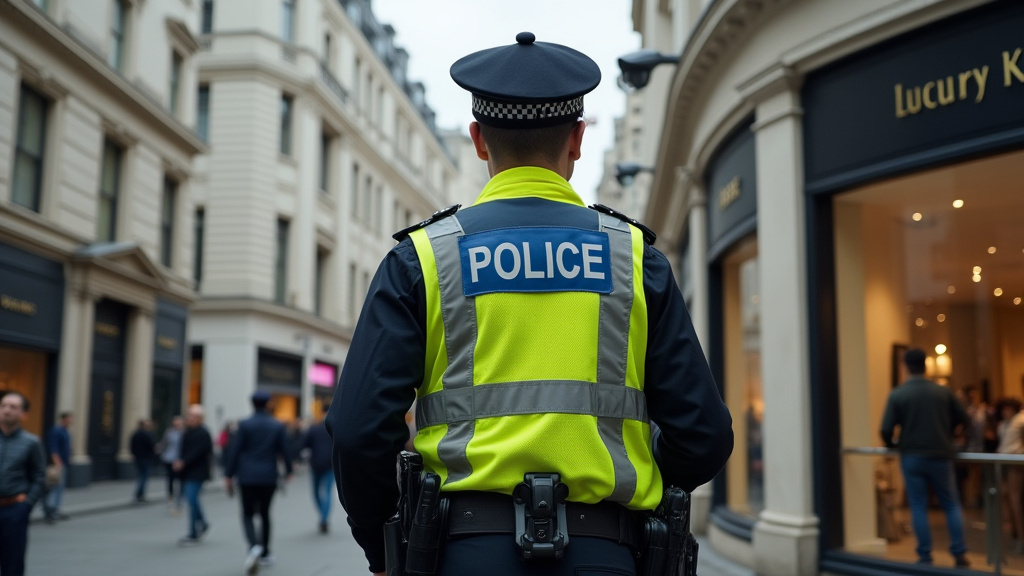
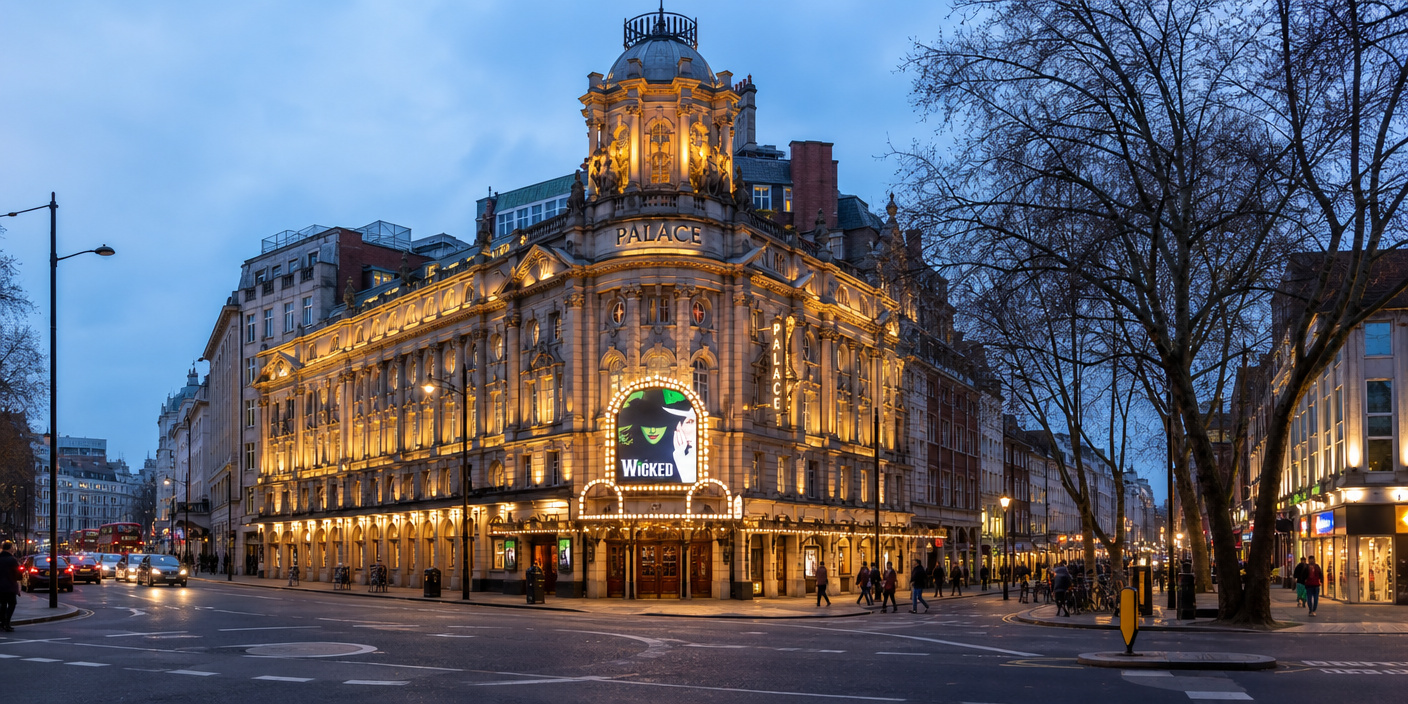
The recent disruption of the red carpet gala for the award-winning stage production ‘Harry Potter and the Cursed Child’ at London’s iconic Palace Theatre has ignited a fresh debate regarding the intersection of political activism and public event safety. Neil Blair, the high-profile literary agent representing J.K. Rowling and a founding partner of The Blair Partnership, has issued a sharp condemnation of the trans rights protest that obstructed the event. Blair’s intervention marks a significant moment in the ongoing cultural conversation surrounding the playwright’s work, the author’s public stances, and the logistical challenges of managing large-scale cultural events in the heart of the West End.
Key Highlights
- Direct Condemnation: Neil Blair publicly labeled the protest disruptive and a compromise to the safety of attendees and participants.
- Event Impact: The demonstration specifically targeted the red carpet arrivals for a high-profile gala performance, delaying proceedings and drawing intense public scrutiny.
- Security Concerns: The incident has prompted a broader discussion among industry stakeholders regarding the current security protocols for West End theatres during high-profile public appearances.
- Cultural Tensions: The protest underscores the persistent friction between the theatrical community, the enduring legacy of the Harry Potter franchise, and activists opposing J.K. Rowling’s stated views on gender identity.
Navigating the Collision of Culture and Protest in London’s West End
The incident at the Palace Theatre serves as a microcosm of the increasingly complex challenges facing high-traffic entertainment venues in London. As the West End continues to recover and thrive in a post-pandemic landscape, the theatre district has become a focal point for various protest groups aiming to leverage public attention. The disruption at the gala performance of ‘Harry Potter and the Cursed Child’ was not merely an isolated instance of civil disobedience; it represented a strategic move to turn a commercial red-carpet event into a site of ideological confrontation.
The Blair Partnership’s Stance and the Role of Representation
Neil Blair’s response serves as a reminder of the protective role that modern literary agencies play. In an era where authors and creators often become central figures in cultural wars, the management of their public engagements requires a robust security and communication strategy. By publicly criticizing the protest, Blair positioned his firm as a defender of the safety and professional integrity of the cast, crew, and audience members who had gathered for the celebration. The statement was not just a comment on the disruption, but a clear assertion that the safety of the working professionals and paying patrons must remain paramount, regardless of the political cause being championed.
Security Protocols and Public Assembly
London’s theatre district operates under a unique set of challenges regarding public access. Unlike a private arena or a film studio, the Palace Theatre, located in the bustling Cambridge Circus area, is physically exposed. The protest’s ability to reach the red carpet raises questions about the efficacy of current perimeter management. Critics of the protest argue that while the right to dissent is a cornerstone of British democracy, the methods used—specifically the target of a theatre gala—cross the line into harassment of workers. Conversely, the activists involved argue that these highly visible spaces are the only platforms where their grievances against the cultural institutions surrounding the Harry Potter brand can be heard at scale.
The Economic and Cultural Impact of Cursed Child
‘Harry Potter and the Cursed Child’ remains one of the most profitable and culturally significant theatrical productions in the world. Its status as an anchor for the West End economy makes any threat to its smooth operation a matter of local concern. The play, which has undergone significant changes since its initial production, continues to draw international tourism to London. Disruption at a gala performance is not only an annoyance for attendees but represents a potential threat to the broader theatrical economy. Industry analysts have pointed out that should such protests become common, producers may be forced to implement more restrictive, high-security measures that could fundamentally alter the ‘front of house’ experience that makes theatre-going in the West End so unique.
Future Implications for Theatre Management
As the industry looks forward, the Palace Theatre incident may catalyze a shift in how West End producers handle public-facing events. We are likely to see an increase in private security budgets, closer coordination with the Metropolitan Police, and potentially a more controlled environment for red-carpet arrivals. The challenge for theatre management will be to find a balance—preserving the festive, open atmosphere of a gala while ensuring that the safety of staff and patrons is not compromised by activists seeking to make a point. This incident is unlikely to be the last, and the response from figures like Blair suggests that the industry is moving toward a more proactive, firm defense of its professional spaces.
FAQ: People Also Ask
Q: What exactly happened at the Palace Theatre protest?
A: Trans rights protesters gathered during a red carpet gala performance of ‘Harry Potter and the Cursed Child’ in London’s West End. The protest disrupted the arrival process, leading to safety concerns and public criticism from J.K. Rowling’s agent, Neil Blair.
Q: Why did Neil Blair intervene?
A: As the representative for J.K. Rowling, Neil Blair’s primary concern was the safety of those involved in the gala. He publicly criticized the protesters’ actions, arguing that the disruption compromised the security and experience of the cast, crew, and guests.
Q: Is ‘Harry Potter and the Cursed Child’ often targeted by protests?
A: Due to the ongoing controversy surrounding J.K. Rowling’s views on gender identity, theatrical productions related to the Harry Potter franchise have occasionally become focal points for activists seeking to draw public attention to their cause.
Q: How does this impact future theatre galas in the West End?
A: The incident has spurred discussions among industry stakeholders about enhancing security protocols, potentially leading to tighter control of red carpet areas and increased coordination with local law enforcement to ensure events remain safe for attendees.