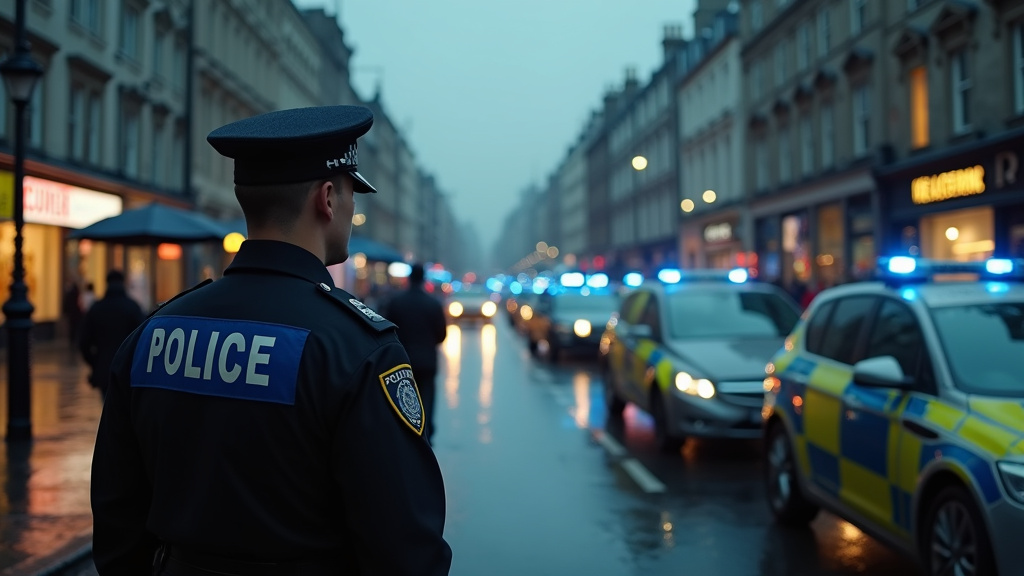
The Metropolitan Police are implementing extensive preparations to manage a challenging and busy weekend across London, with several significant demonstrations and events scheduled to take place. A notable focus of this operational readiness is the management of protests directly related to the accommodation of asylum seekers in both Islington and Canary Wharf.
Increased Officer Deployment for Key Demonstrations
To address the anticipated influx of public gatherings, the Metropolitan Police are significantly increasing officer deployment throughout the capital. This bolstered presence is aimed at ensuring public safety, maintaining peace, and crucially, preventing any serious disorder or widespread disruption. The policing operation for this coming weekend is being described as substantial, reflecting the scale and nature of the events planned.
Multiple Protests Triggering Large-Scale Policing
Beyond the demonstrations concerning asylum seeker housing, the police are also gearing up to manage other high-profile protests. A major focus will be on demonstrations connected to the ongoing conflict in Gaza. This includes a nationally organized demonstration by the Palestine Coalition, which is expected to draw significant numbers.
In parallel, a counter-demonstration, termed a ‘National March for the Hostages’, is also planned. The convergence of these diverse, large-scale events necessitates a comprehensive and coordinated policing strategy to mitigate potential conflict and ensure that all planned activities can proceed, or be managed, without escalating into serious unrest.
Police Powers to Maintain Public Order
The Metropolitan Police are equipped with the necessary legal authority to impose conditions on any planned or ongoing protests. These powers are a critical tool in their strategy to maintain public safety and ensure order throughout the capital. Conditions can range from specifying routes and times for marches to setting limits on the size or nature of demonstrations, all with the ultimate goal of preventing significant disruption and ensuring the safety of all Londoners and visitors.
This proactive approach is standard procedure for managing complex public events in a major global city like London. The news from the Met indicates a commitment to de-escalating tensions and facilitating the right to peaceful protest while upholding the safety and security of the public at large. This weekend’s events serve as a stark reminder of the ongoing complexities in managing public sentiment and international affairs within the urban landscape, making for a busy period for law enforcement and a significant news focus for London.