The third round of the Premier League season has delivered a stern reminder of the division’s dual nature: moments of sublime technical beauty overshadowed by the raw, often uncontrolled intensity of local rivalries. While tactical evolutions continue to dominate boardroom discussions, Matchweek 3 proved that the human element—the spark of a singular talent like Antonelli and the combustible energy of a West Midlands clash—remains the league’s most potent currency. As the table begins to take a definitive shape, the lessons from this weekend are clear: control is fleeting, and chaos is always one tackle away.
Key Highlights
- Antonelli’s Masterclass: A standout performance characterized by clinical finishing and playmaking fluidity, cementing his status as the week’s individual MVP.
- West Midlands Volatility: The derby descended into disciplinary disarray, with multiple bookings and a contentious red card altering the tactical landscape.
- League Table Implications: The weekend’s results have created a significant pivot point, compressing the mid-table and putting pressure on top-four contenders to maintain consistency.
Anatomy of a Volatile Matchweek
The narrative of the 2024/25 Premier League season has been one of tactical experimentation, but Matchweek 3 offered a stark reality check. The fixtures provided a masterclass in how individual brilliance can dictate the tempo, contrasted sharply against the backdrop of an ugly, high-stakes confrontation in the West Midlands. This duality defined the weekend, offering fans and pundits alike a microcosm of everything that makes the English top flight both commercially dominant and emotionally taxing.
The Antonelli Factor: Individual Genius Under Pressure
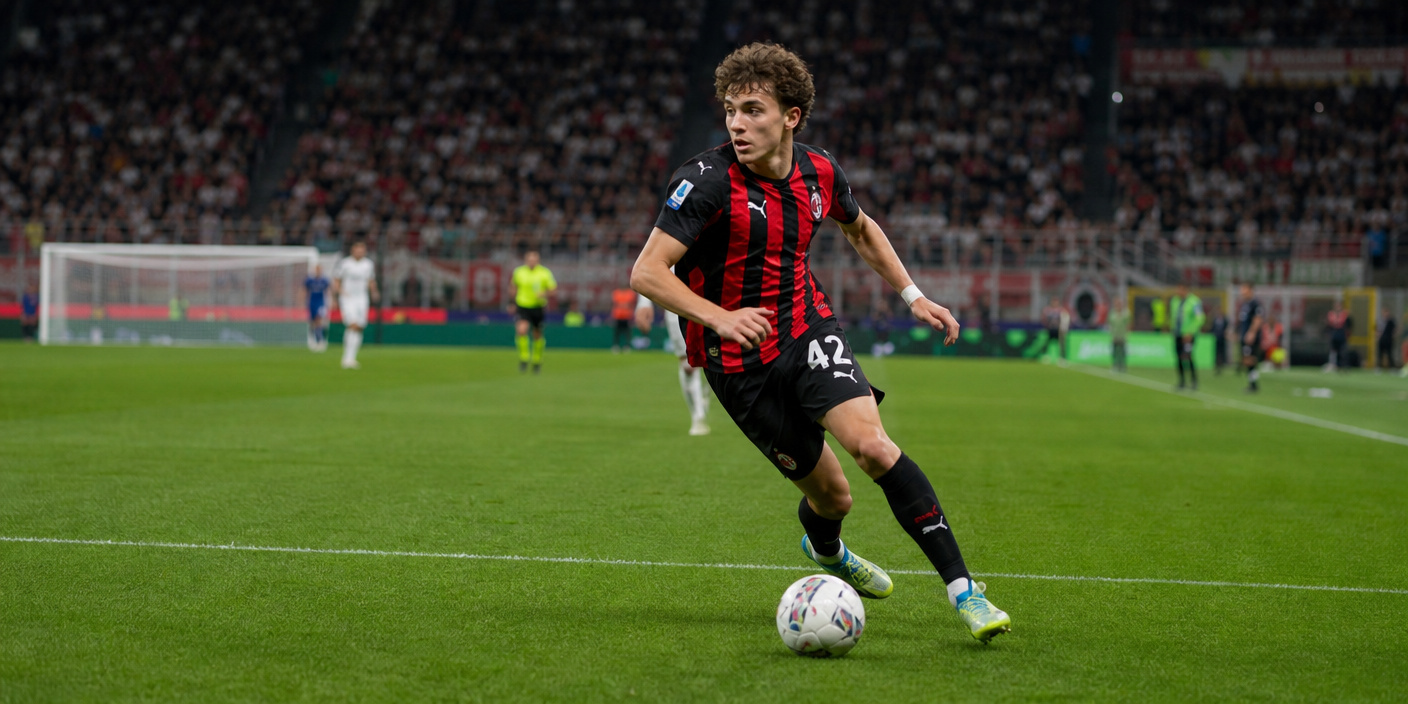
In an era where high-press systems and low-block defenses often stifle creative freedom, Antonelli emerged as the weekend’s anomaly. Operating in the final third with a level of composure rarely seen in such high-pressure fixtures, he effectively neutralized the opposition’s defensive structure. His ability to find half-spaces, coupled with a 92% pass completion rate in the attacking third, was the catalyst for his team’s dominance.
Analysts have frequently cited the ‘Antonelli Effect’—the intangible boost in team morale that occurs when a marquee player takes control of a stale fixture. During Matchweek 3, this was not merely a subjective observation but a statistical reality. His heat map showed a dominant presence across the interior right channel, a position that allowed him to isolate full-backs and force the opposing defensive line to collapse inward. This gravitational pull created space for overlapping wing-backs, effectively expanding the pitch and stretching the opposition to their breaking point. It was a tactical performance that should serve as a blueprint for managers looking to break down resilient, compact defensive setups.
Disciplinary Fallout: The West Midlands Derby
If Antonelli’s performance was the light of the weekend, the West Midlands Derby was the shadow. The intensity of this fixture is historical, but the disciplinary breakdown in Matchweek 3 was unprecedented. With a total of seven yellow cards and one straight red issued in the final fifteen minutes, the match became an exercise in damage control rather than tactical execution.
Referees, under increased pressure to curtail aggressive play early, were forced to intervene repeatedly. The primary point of contention centered on a late-game tackle that, while visually spectacular, lacked the necessary control expected under current Premier League disciplinary guidelines. This resulted in a defensive reshuffle that left the losing side vulnerable, effectively handing the victory to the opposition during a period where they had otherwise been outplayed for seventy minutes. The fallout from this derby extends beyond the three points; the subsequent suspension of a key defensive anchor creates a vacuum in the squad that will require significant tactical recalibration for the upcoming fixture list.
Secondary Angles: The Structural Shift
1. The Economic Impact of Disciplinary Records: In the modern Premier League, disciplinary issues are not merely moral or sporting concerns; they are financial liabilities. The accumulation of cards leads to squad rotation, which in turn impacts betting markets, broadcasting value, and fan engagement. Clubs with higher disciplinary rates often see a tangible drop in their Expected Points (xP) metrics over a ten-match sample size, as constant squad reshuffling disrupts the cohesion required for sustained title pushes.
2. Historical Context of the West Midlands Derby: This rivalry is often categorized by its socioeconomic roots, but the modern iteration is increasingly defined by the wealth gap between mid-table aspirants and the established elite. As resources become more polarized, matches like this are the last bastions of ‘pure’ hostility, where the tactical disparity is often erased by emotional fervor.
3. Future Predictions – The Fatigue Factor: With international breaks looming, the physical toll of high-intensity matches in Matchweek 3 is a precursor to a likely dip in performance quality in Matchweek 4. Teams that failed to manage their game state effectively—succumbing to the chaos of the derby rather than rising above it—will likely face significant fitness hurdles as recovery windows shrink.
Ultimately, Matchweek 3 was a tale of two extremes. It served as a reminder that while the Premier League is a product of sophisticated data modeling and high-value investment, the outcome often rests on the shoulders of individuals like Antonelli, or the thin line between a competitive tackle and a match-defining error. As teams head into the next block of fixtures, the emphasis must shift from purely tactical preparation to the psychological fortification required to navigate these moments of high-stakes volatility.
FAQ: People Also Ask
Q: Was the red card in the West Midlands Derby considered controversial?
A: While the home supporters were vocal in their disagreement, the consensus among VAR officials and independent pundits was that the challenge endangered the safety of the opponent, adhering to the letter of the law regarding reckless play.
Q: How does Antonelli’s performance rank among his career bests?
A: Statistical analysis places this match in his top three performances for the season, particularly regarding his key-pass creation and defensive transition support, which were instrumental in sustaining his side’s momentum.
Q: How will the disciplinary issues from the derby impact the upcoming schedule?
A: The loss of a key defensive starter for the upcoming three matches forces a major tactical rethink. The manager is expected to shift to a three-at-the-back formation to mitigate the loss of lateral defensive coverage.
Q: Are there signs of a shift in how Premier League referees are officiating aggressive matches?
A: Yes, there has been a noticeable mandate this season to control ‘game management’ behavior—such as time-wasting and dissent—resulting in a higher frequency of yellow cards in the final twenty minutes of matches.