Thames Water has officially implemented a wide-reaching hosepipe ban, impacting more than 10 million customers across London and the wider Thames Valley region. The decision, driven by unprecedented drought conditions and record-breaking temperatures, mandates strict limitations on water usage for non-essential activities. As the region grapples with environmental pressures, the utility provider has emphasized the necessity of these measures to preserve essential water supplies for the public and the local ecosystem, though the move has sparked significant debate regarding the company’s infrastructure and management of systemic leaks.
Key Highlights
- 10 Million Impacted: The restrictions apply to the entire Thames Water customer base across London and the Thames Valley.
- Specific Prohibitions: Residents are banned from using hosepipes for activities such as watering gardens, cleaning cars, or filling swimming pools and ornamental ponds.
- Environmental Trigger: The ban is a direct response to a prolonged period of below-average rainfall and severe heatwaves that have depleted reservoirs.
- Enforcement & Fines: Non-compliance could theoretically lead to enforcement action, including fines of up to £1,000 for those who repeatedly ignore the Temporary Use Ban (TUB).
The Dry Reality: Navigating the Thames Water Restrictions
The implementation of a hosepipe ban, formally known as a Temporary Use Ban (TUB), is a significant regulatory tool used by UK water companies when supplies reach critical lows. For the 10 million customers served by Thames Water, this represents the most stringent conservation measure enacted in years. It is a direct response to a convergence of hydrological crises: record temperatures, significantly reduced rainfall throughout the spring and summer months, and the resulting depletion of river and groundwater levels.
The Scope of the Ban: What You Can and Cannot Do
Understanding the specifics of the TUB is vital for households attempting to comply with the new rules. Under the terms set forth, the use of hosepipes—whether connected to the mains water supply or not—is strictly prohibited for non-essential tasks. This includes the watering of private gardens, lawns, and allotments, as well as the cleaning of private motor vehicles, boats, and the filling of swimming or paddling pools.
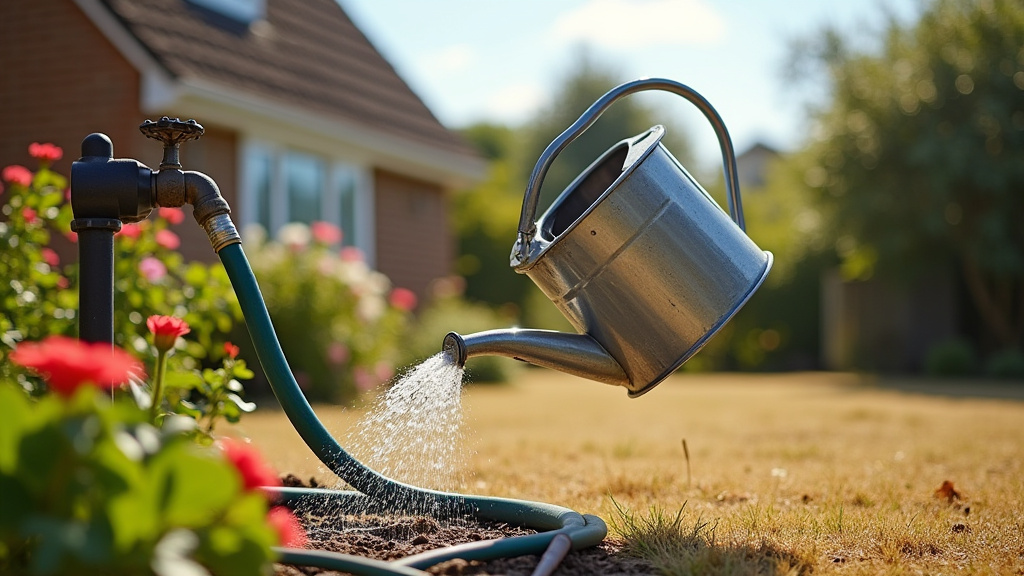
However, the ban is not a complete moratorium on water usage. Exceptions are frequently made for those with mobility issues who rely on hosepipes for essential watering, as well as for commercial businesses where water usage is integral to their trade. Furthermore, the use of watering cans, buckets, and trigger-operated spray guns is generally permitted, as these methods consume significantly less volume than an open-ended or high-pressure hosepipe.
The Climate Catalyst: Why Thames Water Acted Now
The Thames region has been experiencing a multi-year trend of dry winters and scorching summers, challenging the traditional perception of the UK as a permanently wet climate. The Met Office has noted that while the UK is historically temperate, the frequency and intensity of drought events are increasing. For Thames Water, the decision to invoke the ban was not taken lightly; it is a defensive maneuver to prevent the more draconian measure of an emergency drought order, which would allow for the rationing of water in homes.
Water levels in critical reservoirs that feed the London area had fallen below the trigger points defined in the company’s Drought Plan. By restricting non-essential outdoor usage, the company aims to reduce the daily draw on the grid, ensuring that the remaining supply can be prioritized for essential drinking water, sanitation, and fire-fighting requirements throughout the remainder of the season.
The Infrastructure Controversy: Leaks and Public Trust
While the drought provides the environmental justification for the ban, the announcement has been met with significant public scrutiny regarding Thames Water’s infrastructure record. Critics, including environmental advocacy groups and local politicians, point to the company’s high leakage rates—where a substantial percentage of treated water is lost to the ground before it ever reaches a customer’s tap—as a primary failure point.
For many residents, adhering to a hosepipe ban while seeing reports of constant water main bursts and leaks in the street creates a sense of inequity. Ofwat, the economic regulator for the water sector in England and Wales, has previously pressured Thames Water to accelerate investment in leak detection and repair. The current ban has served as a flashpoint for this ongoing tension, bringing the debate about public utility investment, privatization, and water security to the forefront of the national conversation.
Future-Proofing the Thames Valley
Looking ahead, the strategy for Thames Water and the broader water sector involves a massive pivot toward future-proofing. This includes proposals for new reservoirs, desalination plants, and improved connectivity between water-rich and water-poor regions. However, these are multi-year capital projects. In the short term, the company is doubling down on smart meter technology, which allows for better data collection on consumption patterns, and intensified efforts to locate and seal underground leaks using acoustic sensors and AI-driven analysis. The success of these efforts will determine whether such widespread bans become a rare outlier or a regular summer occurrence for the 10 million residents in the region.
FAQ: People Also Ask
Q: Can I still water my plants during the hosepipe ban?
A: Yes, you can still water your plants, but you cannot use a hosepipe. You must use a watering can, a bucket, or a trigger-operated hose gun that significantly limits the flow of water. The goal is to reduce the volume of water used, not to stop gardening entirely.
Q: What is the penalty for ignoring the hosepipe ban?
A: Under the Water Industry Act 1991, water companies can prosecute individuals who breach a Temporary Use Ban. If found guilty in a magistrates’ court, the individual could be fined up to £1,000. While prosecutions are rare, the threat of legal action is the primary deterrent.
Q: How long will this ban remain in effect?
A: The ban will remain in place until the hydrological situation improves. This usually requires consistent, heavy rainfall across the Thames catchment area to replenish depleted river flows and reservoir storage. Thames Water will announce the lifting of the ban once it is satisfied that water resources have stabilized.
Q: Does this ban affect businesses?
A: The ban primarily targets domestic usage. Businesses, such as car washes or commercial nurseries, may continue to operate provided they are using water for commercial purposes and adhering to any specific guidance provided by Thames Water. However, all customers are urged to be as water-efficient as possible regardless of their status.