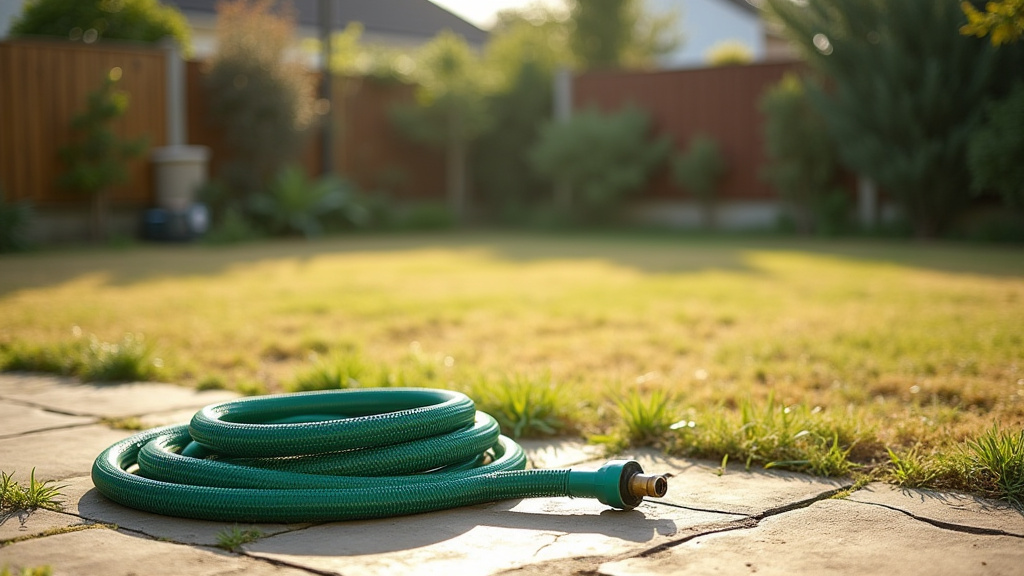
Thames Water has officially implemented a major hosepipe ban, impacting more than 10 million customers across London and the Thames region. As England and Wales grapple with severe, prolonged drought conditions, the utility provider has moved to enforce a Temporary Use Ban (TUB) to conserve dwindling reservoir supplies. This restrictive measure marks a critical juncture in the UK’s water management history, highlighting the delicate balance between public consumption, climate adaptation, and the controversial state of water infrastructure.
Key Highlights
- Scope of Impact: The ban applies to over 10 million residents within the Thames Water service area, including the entirety of London and surrounding boroughs.
- Regulatory Basis: The restrictions are enacted under the Water Industry Act 1991, designed to manage demand during periods of water shortage.
- Primary Prohibitions: Customers are strictly prohibited from using hosepipes to water private gardens, wash cars, or fill domestic swimming pools and ponds.
- Infrastructure Controversy: The ban has reignited national debates regarding Thames Water’s leakage rates and the efficiency of the aging Victorian-era pipe network.
The Crisis of Conservation: Infrastructure Under Pressure
The implementation of a Temporary Use Ban (TUB) is never a decision taken lightly by utility providers. For Thames Water, the decision to restrict over 10 million customers is a direct response to the “new normal” of climate instability. While the immediate trigger is often a combination of record-breaking temperatures and significantly lower-than-average rainfall, the situation exposes deeper systemic vulnerabilities within the UK water supply chain.
The Mechanics of the Temporary Use Ban
Under the Water Industry Act 1991, water companies possess the legal authority to restrict non-essential usage when they believe their supply is being threatened. For the average consumer, this translates to specific prohibitions. Hosepipes, often perceived as a household convenience, become a point of regulatory contention. Using a hosepipe to water a garden—even for vegetables—or to clean a vehicle is prohibited. These measures are intended to buy the utility time, preventing the more drastic emergency measures that could lead to intermittent supply cuts or water pressure reductions for essential services.
The Leakage Controversy and Public Trust
While Thames Water points to climate change and drought as the primary drivers of the ban, public sentiment often focuses on the utility’s operational efficiency. Critics, including environmental advocacy groups and political observers, frequently cite Thames Water’s leakage figures. The narrative centers on a simple, biting question: why must 10 million consumers restrict their usage when a significant percentage of treated water is lost through leaks in aging, antiquated pipework?
This tension is a focal point for Ofwat, the economic regulator for the water sector in England and Wales. The E-E-A-T (Experience, Expertise, Authoritativeness, and Trustworthiness) of the utility provider is constantly under review as they balance the immediate need for conservation with the long-term requirement for capital expenditure on infrastructure upgrades. Reports from the Environment Agency frequently highlight that while demand management is necessary, it must be paired with aggressive investment in leak detection technology and grid modernization to truly secure the future of London’s water supply.
Climate Resilience and Future Planning
London’s reliance on the Thames and its aquifers makes it uniquely susceptible to prolonged dry spells. The current strategy for the Thames region is shifting from reactive demand management to long-term proactive resilience. This includes plans for desalination efforts, improved water recycling, and regional transfers. However, these are multi-year, multi-billion-pound projects. In the interim, the cycle of hosepipe bans serves as a stopgap measure, reflecting the urgent need for a more robust hydrological strategy.
The Economic and Social Ripple Effect
The ban extends beyond individual homeowners. It creates a secondary economic impact on gardening businesses, commercial car washes, and the wider leisure sector that relies on high water usage. These entities often find themselves in a precarious position, needing to pivot operations or face significant penalties. The social fabric of the region is tested as the public is asked to prioritize communal resources over individual convenience, leading to a shift in civic engagement regarding water usage. Understanding this requires looking at the historical context of the 1976 drought or the 2022 heatwaves, which served as catalysts for the current regulatory frameworks we see today.
FAQ: People Also Ask
Q: What exactly is a Temporary Use Ban (TUB)?
A: A TUB is a set of legal restrictions imposed by water companies to reduce non-essential water usage during periods of water stress, specifically restricting the use of hosepipes for domestic activities like gardening and cleaning.
Q: How does Thames Water monitor compliance?
A: While Thames Water primarily relies on public cooperation and reports of misuse, they have the authority to issue fines for repeated or severe violations of the Water Industry Act 1991, though enforcement is typically centered on education and warnings.
Q: Are there exceptions to the hosepipe ban?
A: Generally, exceptions apply to businesses that require water for their primary function, such as commercial car washes, or for essential health and safety reasons. However, individuals should always check the official Thames Water website for the most current, region-specific guidance.
Q: Why are leaks considered a major issue for Thames Water?
A: Leaks are a critical point of concern because they represent the loss of thousands of liters of treated water daily before it even reaches a customer’s tap, leading to public outcry regarding the necessity of consumer restrictions.