London in August 2026 promises a vibrant tapestry of cultural convergence, as the city reaches the peak of its summer tourism and artistic activity. This curated guide outlines the most significant happenings in the capital, focusing on the high-energy Notting Hill Carnival, the refined outdoor cinema culture at Coal Drops Yard, and the enduring allure of West End theatre. As international and domestic visitor numbers continue to normalize post-2024, London’s cultural infrastructure is poised to accommodate a record influx of attendees, demanding advanced planning and strategic navigation for those wishing to experience the city at its most dynamic.
Key Highlights
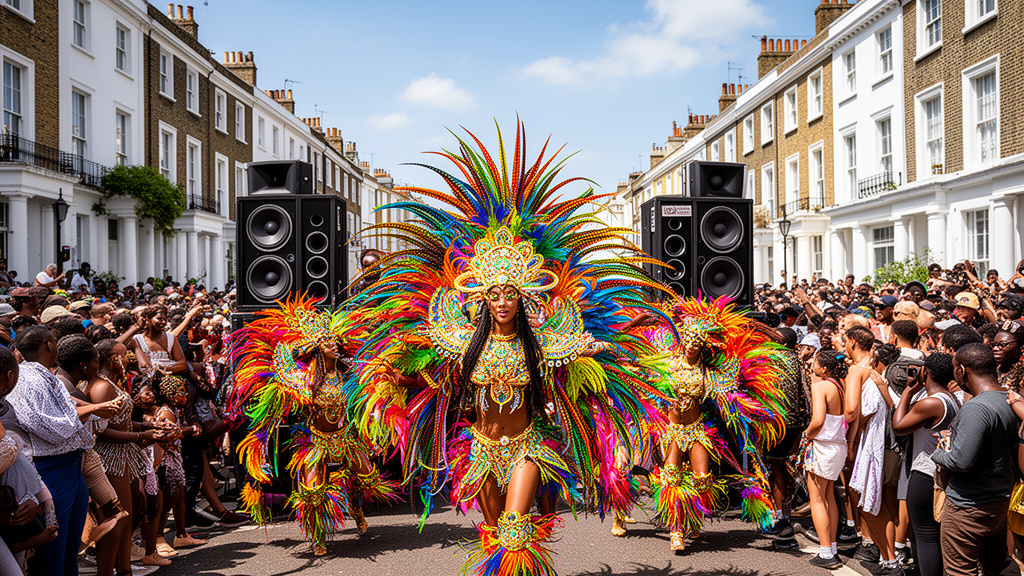
- Notting Hill Carnival: Celebrating its rich Caribbean heritage on August 30–31, 2026, expecting upwards of 2 million participants.
- Coal Drops Yard: Hosting the annual outdoor cinema series, featuring curated independent and classic film screenings in a unique architectural setting.
- West End Theatre: A continuation of the “Kids Week” initiative, allowing children under 17 to see top-tier productions for free when accompanied by a full-paying adult.
- Serpentine Pavilion: The 2026 architectural commission serves as a pivotal focal point for design enthusiasts in Kensington Gardens.
Navigating the Summer Pinnacle: London’s Cultural Landscape
August in London is rarely just about the weather; it is about the intersection of legacy events and modern urban revitalization. As we approach August 2026, the city’s calendar is defined by a dichotomy between high-octane street festivals and sophisticated, curated leisure experiences. The challenge for residents and tourists alike is not finding events, but prioritizing them within an ecosystem that demands significant logistical foresight.
Notting Hill Carnival: An Organizational Masterclass
The Notting Hill Carnival remains the undisputed heavyweight of London’s August calendar. Scheduled for the bank holiday weekend of August 30–31, 2026, the event represents more than just a street party; it is a complex logistical operation involving the Metropolitan Police, the local boroughs of Kensington and Chelsea, and thousands of volunteers.
From an economic perspective, the Carnival acts as a massive stimulus for local businesses in West London, injecting millions into the hospitality and retail sectors. For the 2026 iteration, organizers are emphasizing sustainability and crowd flow management. The route, traditionally winding through W11 and W10, has been refined to better accommodate the massive influx of attendees. For attendees, the “entity” of the Carnival is best understood through its masquerade bands and sound systems, which require early registration or strategic positioning to experience fully. The cultural importance of this event cannot be overstated; it is the heartbeat of London’s Caribbean community and a global beacon of multicultural celebration.
Coal Drops Yard: The Intersection of Design and Leisure
While Notting Hill offers the chaotic energy of the streets, Coal Drops Yard in King’s Cross offers the modern, curated alternative. Designed by the Heatherwick Studio, this development transformed 19th-century coal stores into a flagship retail and leisure destination. By August 2026, the outdoor cinema program at this location has become a staple of the London summer season.
What sets this experience apart is the architectural context. The juxtaposition of the Victorian brick viaducts and the dramatic, swooping roofline provides a backdrop that elevates a standard outdoor cinema screening into a high-end cultural event. In 2026, the programming is expected to lean into independent film and atmospheric classics, catering to an audience that values the “third space” experience—a concept where public, retail, and leisure spaces bleed into one another. It is a prime example of successful urban renewal, serving as an anchor for the King’s Cross regeneration project.
The West End Summer Surge and Theatre Accessibility
The West End remains the cornerstone of London’s arts economy. August is a critical month for theatre productions, characterized by a mix of long-running blockbusters and experimental summer limited runs. A vital development for 2026 is the expansion of the Society of London Theatre’s “Kids Week” initiative. This program has successfully shifted the demographics of theatre-goers during the traditionally quieter early-August period, effectively subsidizing access for families.
Industry analysts note that theatre attendance in 2026 is trending towards “event-based” consumption—audiences are seeking singular, immersive experiences rather than generic productions. Consequently, producers are curating their August schedules to include exclusive interactive performances and post-show discussions, increasing the “value-add” for ticket holders.
Secondary Angles: Future-Proofing the Summer Experience
To understand London in August 2026, one must look beyond the immediate events and examine the underlying mechanics of the city.
1. The Sustainability of Urban Events: The 2026 season marks a turning point in how events handle environmental impact. Organizers are increasingly mandated to implement zero-waste strategies, particularly for large-scale outdoor events. This includes the electrification of sound systems at Notting Hill and the use of eco-friendly power sources for the coal drops cinema screenings.
2. The Economic Impact of the “Experience Economy”: London’s post-2025 economic recovery has been heavily reliant on the experience economy. August acts as the test case for the city’s hospitality infrastructure. The interplay between retail outlets and entertainment venues—seen most clearly at Coal Drops Yard—demonstrates a shift where foot traffic is no longer driven by shopping alone, but by the promise of a curated cultural moment.
3. The Future of Urban Architecture: The ongoing dialogue between heritage architecture and modern intervention remains a key talking point. As the city continues to densify, the preservation of public spaces like those in King’s Cross vs. the necessary expansion of residential/commercial hubs will be the central tension of the late 2020s. August 2026 provides a window into this balance, showcasing how London retains its historical charm while evolving into a 21st-century global capital.
FAQ: People Also Ask
Q: Is it necessary to book Notting Hill Carnival tickets in advance?
A: The Notting Hill Carnival is a free, public street event. No tickets are required to enter the general parade route. However, many specific sound systems or private party venues along the route do require tickets for entry. It is highly recommended to book these private events months in advance.
Q: How do I get to Coal Drops Yard?
A: Coal Drops Yard is located in the heart of the King’s Cross development. The site is easily accessible via King’s Cross St. Pancras station, which serves six London Underground lines and national rail services, making it one of the most connected transport hubs in the city.
Q: What is the weather typically like in London in August?
A: August is historically one of London’s warmest months, with average daily highs ranging from 22°C to 25°C (72°F to 77°F). However, the UK climate is notoriously unpredictable; visitors should be prepared for occasional summer rain showers, which rarely disrupt the major outdoor events.
Q: Are there accessibility services for these August events?
A: Yes, London’s major event organizers are legally required to provide accessibility accommodations. The Notting Hill Carnival provides specific accessible viewing areas, and Coal Drops Yard is fully compliant with modern accessibility standards, including lift access and level flooring throughout the site.