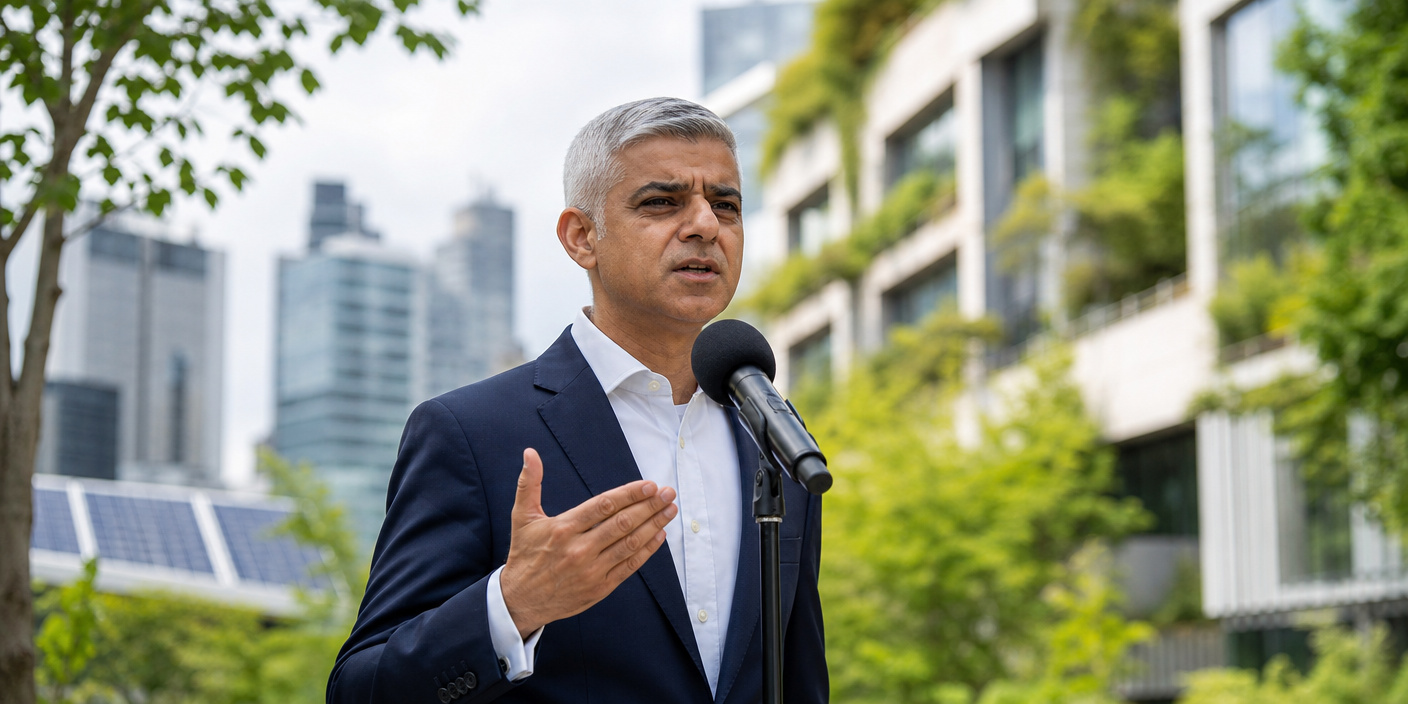
London Mayor Sadiq Khan has issued a blistering rebuke against climate change skeptics, utilizing a high-profile op-ed in The Guardian to argue that the recent succession of extreme weather events in the UK capital serves as incontrovertible proof of a deepening climate crisis. By framing climate denial not merely as an intellectual disagreement but as a “deadly” obstruction to necessary policy progress, Khan has pivoted from local governance to a broader, aggressive stance on global environmental policy, reiterating his firm commitment to green initiatives and his ambitious path toward Net Zero by 2030.
The Heatwave Reality: Why The Science Can No Longer Be Ignored
For residents of London, the “burning summer” referenced by Mayor Khan is not an abstract statistical trend, but a tangible, daily reality. In his op-ed, Khan highlights that the days of theoretical debate regarding climate change have long since passed. The increasing frequency of record-breaking temperatures in the UK—where cities were historically unequipped to handle extreme heat—is the direct consequence of decades of inaction. Khan argues that the very infrastructure of London is being tested by weather patterns that were previously considered “one-in-a-hundred-year” events, now occurring with alarming regularity.
This shift is causing significant stress on the city’s public health systems. Heat-related mortality rates are rising, particularly among the elderly and those in the most economically disadvantaged boroughs. Khan’s narrative connects these health outcomes directly to the lack of political will to tackle climate change, categorizing the voices of climate denial as an active barrier to saving lives. The Mayor’s argument is that by downplaying the science, denialists provide political cover for inaction, effectively delaying the retrofitting of housing, the expansion of green spaces, and the transition to renewable energy sources that are essential for long-term urban survival.
Moving Beyond Political Gridlock
London’s policy environment has been historically polarized regarding environmental regulations. Programs such as the Ultra Low Emission Zone (ULEZ) have faced significant political and legal challenges. Khan’s latest intervention is a deliberate attempt to change the narrative from one of “cost versus benefit” to “survival versus catastrophe.” He posits that the economic cost of inaction—including infrastructure damage from flash flooding, increased healthcare spending, and productivity losses during heatwaves—far outweighs the short-term political cost of implementing green policies.
By positioning himself as a leader of the C40 Cities network—a global coalition of mayors taking urgent action to fight the climate crisis—Khan is attempting to elevate the climate conversation above local petty politics. He argues that London cannot act in isolation; however, the capital must serve as a blueprint for other global cities. This leadership role is crucial for his administration, as it provides a platform to hold central government and skeptical factions accountable. The Mayor suggests that the debate should no longer be about if we should combat climate change, but how quickly we can accelerate our transition.
The Economic Cost of Inaction and the Future of the Capital
One of the most compelling secondary angles explored in the Mayor’s recent rhetoric is the economic necessity of the green transition. Critics often view environmental policies as a tax on economic growth, but Khan’s perspective is fundamentally different. He envisions a “Green New Deal” for London that centers on job creation in the renewable energy sector, public transit expansion, and sustainable construction.
Historically, cities that have failed to adapt to changing environments have suffered massive economic decline. From the industrial revolution to the post-war boom, London has constantly reinvented itself; Khan argues that the climate transition is the next great pivot. By incentivizing the green economy, he believes London can attract global investment while insulating the city from the volatility of fossil fuel markets.
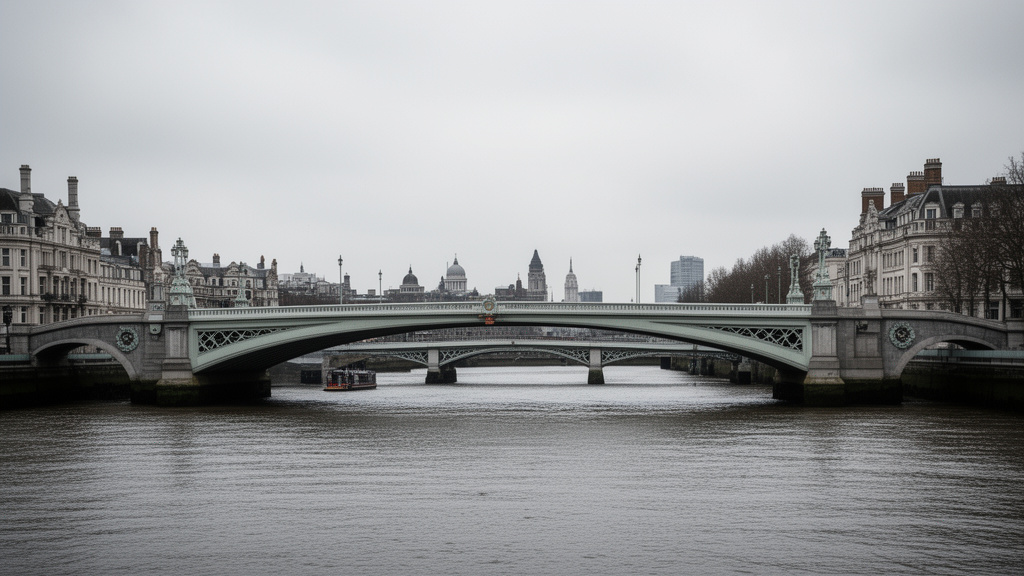
Furthermore, the physical landscape of London is at risk. With the Thames Estuary and the risk of rising sea levels, the city’s long-term flood defense strategies are being re-evaluated. Climate denial, in this context, is not just a difference of opinion; it is viewed by the Mayor as a dereliction of duty regarding the city’s future security. As temperatures climb, the cooling of the city through urban “greening”—planting trees, creating parks, and “greening” the gray infrastructure of concrete-heavy districts—has become a top budgetary priority. This isn’t just about environmentalism; it is about urban resilience and preserving the livability of the city for future generations.
Conclusion: A Call for Accountability
Sadiq Khan’s op-ed serves as a final plea for a shift in public discourse. He acknowledges the fatigue that the public feels regarding environmental warnings, yet he insists that the current climate reality is more dangerous than it has ever been. By linking the local “burning summer” to the global climate crisis, he is forcing a confrontation between policy and populism. The future of the capital, he suggests, depends on our collective ability to reject the voices of denial and embrace the uncomfortable, yet necessary, changes required to secure a livable future.