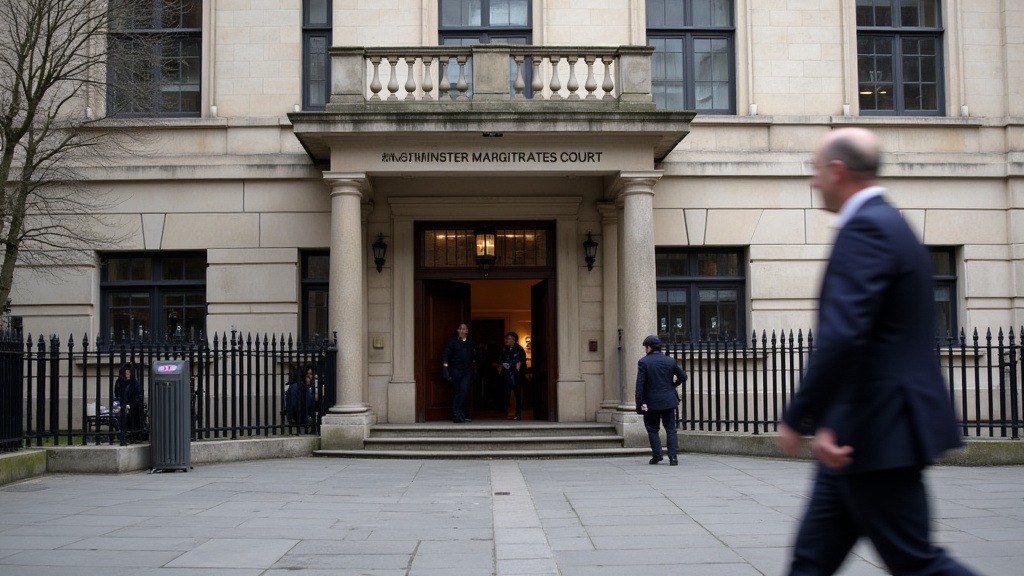
Metropolitan Police Detective Sergeant Prakash Patel is set to appear at Westminster Magistrates’ Court today, facing five counts of sexual assault against four women. The charges follow an extensive investigation into alleged incidents occurring in 2024, marking another significant legal development involving members of London’s police force. As the case moves to the courtroom, the proceedings will be closely watched by legal observers, the public, and internal oversight bodies, given the heightened scrutiny surrounding police conduct in the capital.
Key Highlights
- The Charges: Detective Sergeant Prakash Patel faces five distinct counts of sexual assault.
- Scope: The allegations involve four separate complainants.
- Timeline: The incidents under investigation allegedly occurred throughout 2024.
- Judicial Venue: The defendant is scheduled for a preliminary hearing at Westminster Magistrates’ Court.
Accountability in the Force: The Metropolitan Police Under the Microscope
The charge against Detective Sergeant Prakash Patel comes at a volatile time for the Metropolitan Police Service (MPS). Over the past several years, the force has been engaged in a rigorous effort to reform its internal culture, address systemic failings, and restore public trust. High-profile cases of misconduct have forced the organization to reconsider its vetting procedures, disciplinary mechanisms, and the way it handles allegations of sexual misconduct among its ranks.
The Legal Pathway: From Investigation to Prosecution
When a serving officer is accused of criminal activity, the process differs significantly from standard civilian investigations. The Independent Office for Police Conduct (IOPC) is often involved, though in many cases, internal directorates of professional standards coordinate directly with the Crown Prosecution Service (CPS) to determine if charges should be brought. In this instance, the fact that the case has reached the charging stage indicates that the CPS has reviewed the evidence and determined there is a realistic prospect of conviction and that it is in the public interest to prosecute.
Westminster Magistrates’ Court will handle the initial stages of this case. As is standard procedure in the UK legal system, this hearing will focus on procedural matters, including the entering of a plea and the determination of bail conditions. The gravity of the charges—five counts of sexual assault against four different women—ensures that these preliminary proceedings will be subject to intense public interest.
The Intersection of Internal Conduct and Criminal Law
Beyond the criminal trial, Detective Sergeant Patel faces potential disciplinary consequences through the Metropolitan Police’s internal conduct process. Regardless of the outcome in criminal court, the MPS operates under strict regulations governing police standards of professional behavior. Even if an officer is acquitted in criminal proceedings, they can still face a misconduct hearing, which operates on the balance of probabilities rather than the criminal standard of “beyond reasonable doubt.” This dual-track approach is designed to maintain the integrity of the force, ensuring that officers are held accountable for their actions both as citizens and as public servants entrusted with unique powers.
Broadening the Scope: Institutional Challenges
This case adds to a growing list of instances where the Metropolitan Police has had to confront allegations of serious wrongdoing within its ranks. The Baroness Casey Review, commissioned in the wake of previous high-profile failures, highlighted “institutional” issues regarding misogyny, racism, and homophobia. While the force has embarked on a “Turnaround Plan,” every new charge against an officer serves as a reminder of the scale of the task ahead. Observers are asking whether the current mechanisms of oversight are sufficient to deter misconduct before it escalates to the point of criminal charges.
The specific nature of the allegations—involving multiple complainants over a period of time—raises questions about the environment in which these incidents occurred. Transparency during the court process will be essential for the Metropolitan Police to demonstrate its commitment to accountability. The public, particularly those who have felt marginalized or vulnerable in their interactions with police, will be looking to see if the judicial system treats officers with the same rigor as it would any other citizen.
FAQ: People Also Ask
What are the specific charges against Prakash Patel?
Detective Sergeant Prakash Patel is facing five counts of sexual assault against four women. The charges stem from allegations related to incidents that occurred in 2024.
Will the officer remain on duty during the trial?
It is standard protocol for officers facing serious criminal charges to be suspended from duty. While the Metropolitan Police does not comment on the specific employment status of individuals involved in ongoing criminal cases, suspension is the typical precautionary measure taken to protect the public and the integrity of the investigation.
What is the role of Westminster Magistrates’ Court in this case?
Westminster Magistrates’ Court is typically the venue for the first hearing of criminal cases in the UK. The court handles the administration of the case, such as verifying the defendant’s identity, addressing bail arrangements, and determining whether the case will proceed to a trial in the Crown Court or remain within the magistrate’s jurisdiction depending on the severity and complexity.
How does the IOPC interact with cases like this?
The Independent Office for Police Conduct (IOPC) oversees the police complaints system in England and Wales. They investigate the most serious incidents involving the police. In cases involving alleged criminal offenses, they work alongside the police and the Crown Prosecution Service to ensure a thorough investigation, though their specific involvement in individual cases can vary based on the nature of the allegations.