The long-standing mystery surrounding the notorious 2017 ‘Putney pusher’ incident has reached a somber conclusion following an official inquest into the death of the primary suspect. The legal proceedings have provided closure to one of London’s most perplexing criminal investigations, confirming that the individual who had been the focal point of intense police and public scrutiny was found deceased after failing to attend a pre-arranged family meal. This development marks the definitive end of a case that captivated the nation and left a lasting imprint on the public consciousness regarding urban safety and the complexities of criminal identification in the digital age.
The Incident That Shocked the Capital
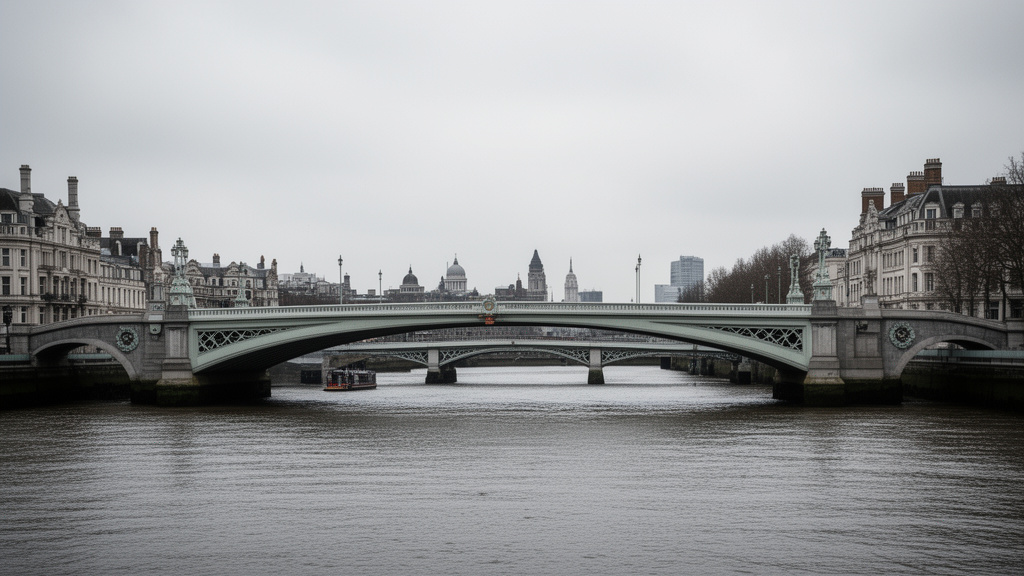
The case dates back to the morning of May 5, 2017, when a 33-year-old woman was jogging across Putney Bridge in southwest London. In a shocking act of aggression that was later captured on grainy, viral CCTV footage, a man jogging in the opposite direction appeared to deliberately shove the woman into the path of a passing double-decker bus. The bus driver performed an emergency maneuver, swerving sharply to avoid the victim, an action that undoubtedly saved her life. The jogger continued his run, never stopping to assist, while the victim suffered minor injuries but significant psychological trauma.
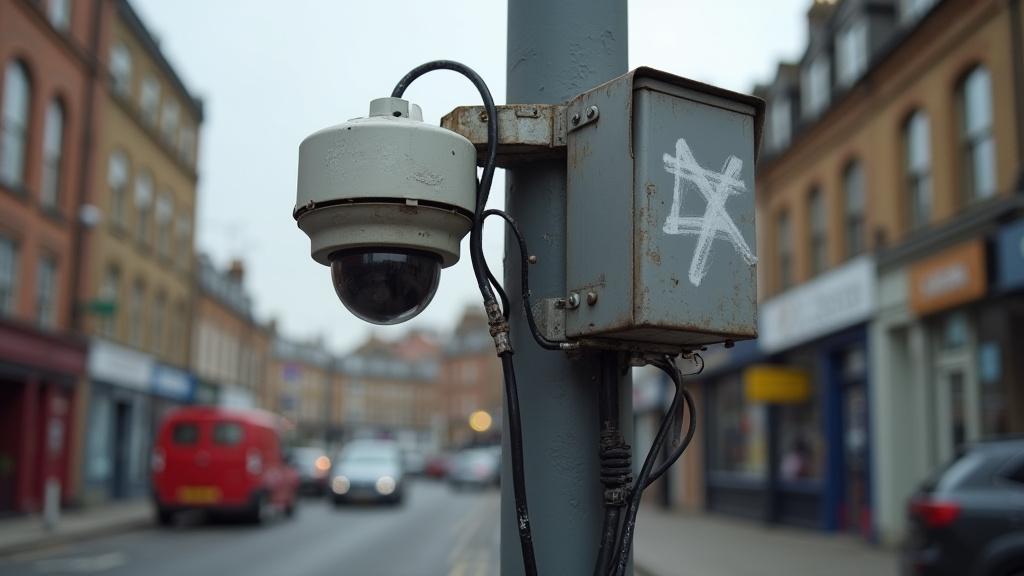
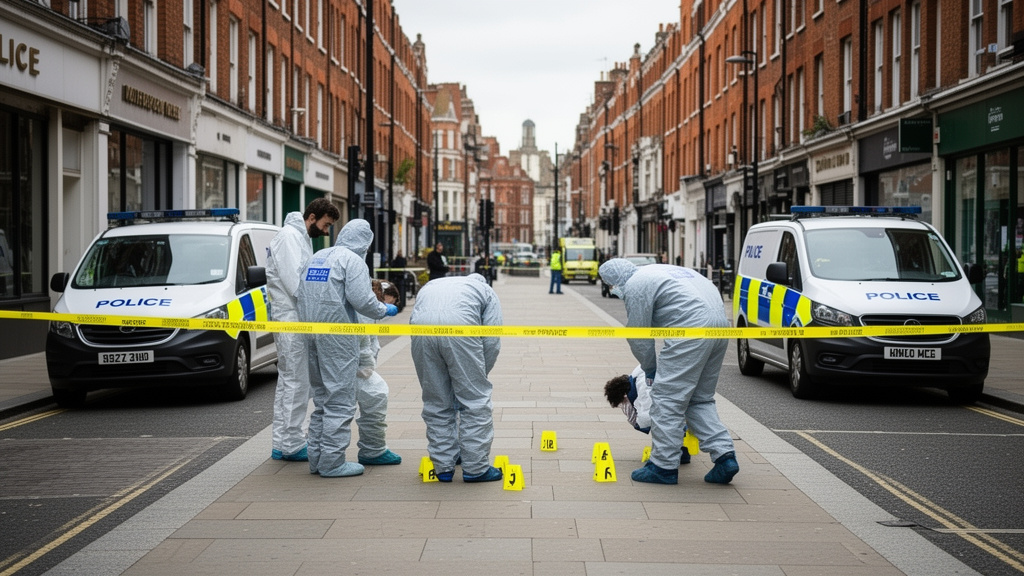
For years, the incident served as a stark reminder of the random nature of violence in large cities. The Metropolitan Police launched an extensive investigation, utilizing every resource from high-resolution forensic video analysis to public appeals. The case generated massive international attention, with the ‘Putney pusher’ moniker becoming shorthand for an untraceable, menacing figure.
The Investigation: A Complex Web
The investigation into the identity of the ‘Putney pusher’ was fraught with difficulty. In the initial months following the incident, the police made several arrests, including that of American investment banker Eric Bellquist, who was later released with no further action taken against him. The media frenzy surrounding the case led to widespread speculation, with members of the public attempting to crowdsource the identity of the perpetrator based on the limited video evidence available.
This climate of intense public pressure complicated the police work, as false accusations and mistaken identities cluttered the investigation. The inquest heard that authorities had to meticulously cross-reference thousands of hours of footage with travel records and witness testimonies to isolate the true suspect. The process of elimination was grueling, and the inability to secure a swift conviction became a point of contention for those calling for greater security measures on major London transit thoroughfares.
The Inquest and The Final Discovery
The inquest recently convened to examine the circumstances surrounding the death of the individual identified by investigators as the suspect in the 2017 incident. Testimony provided during the hearings established a timeline that led to the discovery of the body. According to the evidence presented, the individual had been living under the shadow of the ongoing investigation for a significant period. The critical moment that alerted authorities to the discovery occurred when the individual failed to appear for a planned family meal.
Family members, concerned by the uncharacteristic absence and the individual’s inability to be reached by phone, initiated a welfare check. Upon entry to the residence, authorities discovered the individual deceased. The inquest, which adheres to strict reporting guidelines, reviewed medical and forensic reports, ultimately determining that the death was not the result of foul play but closed the chapter on the individual’s involvement in the long-running criminal inquiry. The findings provide the finality the justice system requires to officially mark the investigation as concluded.
Impact on Criminal Justice and Public Safety
The ‘Putney pusher’ case has left an indelible mark on how the Metropolitan Police handle high-profile, viral investigations. It highlighted the tension between rapid-response policing and the need for due process in the era of social media-driven ‘armchair detective’ work. The case also catalyzed discussions regarding the implementation of more robust CCTV surveillance and the role of forensic technology in identifying suspects who operate in high-density, transient urban environments.
Furthermore, the case sparked significant debate about the psychological toll on both victims and the wrongfully accused. The societal impact of the ‘Putney pusher’ narrative transcended the legal reality, becoming a cautionary tale about urban safety and the anonymity afforded by the modern metropolitan landscape. With the inquest now closed, the focus shifts to the legacy of the investigation, serving as a case study for law enforcement agencies worldwide on the challenges of balancing transparency with the necessity of a methodical, accurate investigation.
FAQ: People Also Ask
Q: What exactly was the ‘Putney pusher’ case?
A: It was a 2017 criminal investigation into an incident on Putney Bridge where a jogger shoved a woman into the path of an oncoming bus. The case became a major news story due to CCTV footage that went viral.
Q: Why was the suspect’s death significant to the case?
A: The suspect’s death, confirmed during an inquest, provided the official closure to a long-standing investigation that had struggled to secure a conviction, effectively ending the police inquiry.
Q: How did authorities find the suspect?
A: The inquest revealed that the discovery was made after the individual failed to attend a family meal, which triggered a welfare check by concerned relatives and subsequently the authorities.