A Gastronomic Odyssey: London’s September 2026 Highlights
London’s food scene has entered a definitive era of intentionality. As we assess the landscape of September 2026, the shift is palpable: restaurants are moving away from trend-chasing and toward deep-rooted culinary philosophy. This month, our editorial team visited the most talked-about new openings, examining the intersection of sustainability, technical precision, and pure sensory indulgence. Whether it is the hyper-focused farm-to-table ethics of Kid or the artistic mixology defining the evening at Georgie’s Bar, London remains the undisputed epicenter of global dining innovation.
The Rise of Neo-Bistronomy at Lunette and Kid
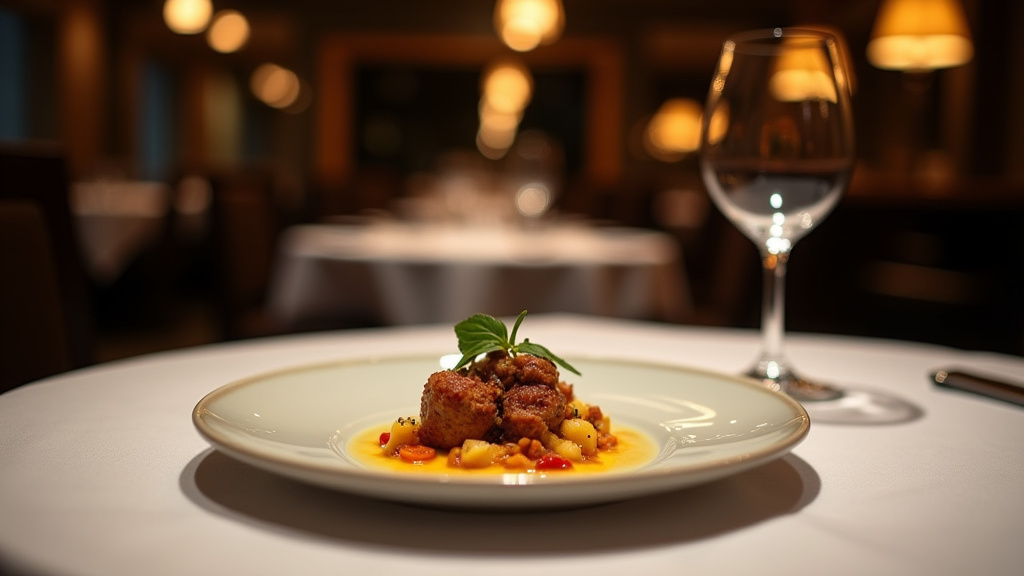
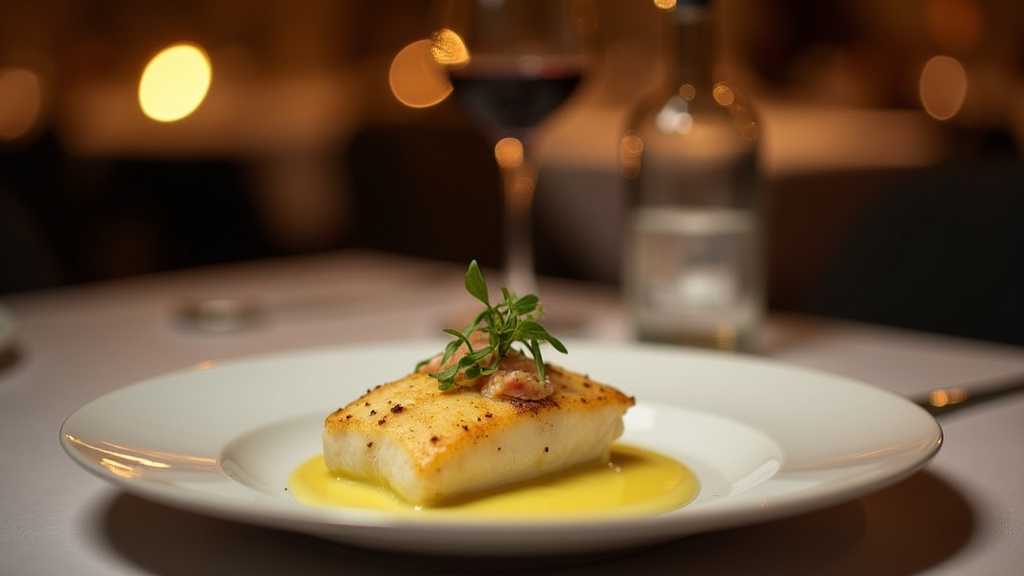
Lunette has rapidly established itself as a beacon of elevated French-inspired techniques, tailored for the modern London palate. What strikes the diner immediately is the restraint—a rarity in a market often crowded with maximalist concepts. The kitchen’s approach to seasonal sourcing is not just a marketing tag; it is the structural foundation of the menu. During our visit, the centerpiece was a pan-seared turbot with a beurre blanc emulsion that balanced acidity and richness with clinical precision. It is rare to find a new venue so confident in its identity within its first quarter, yet Lunette delivers a narrative of consistency that feels years in the making.
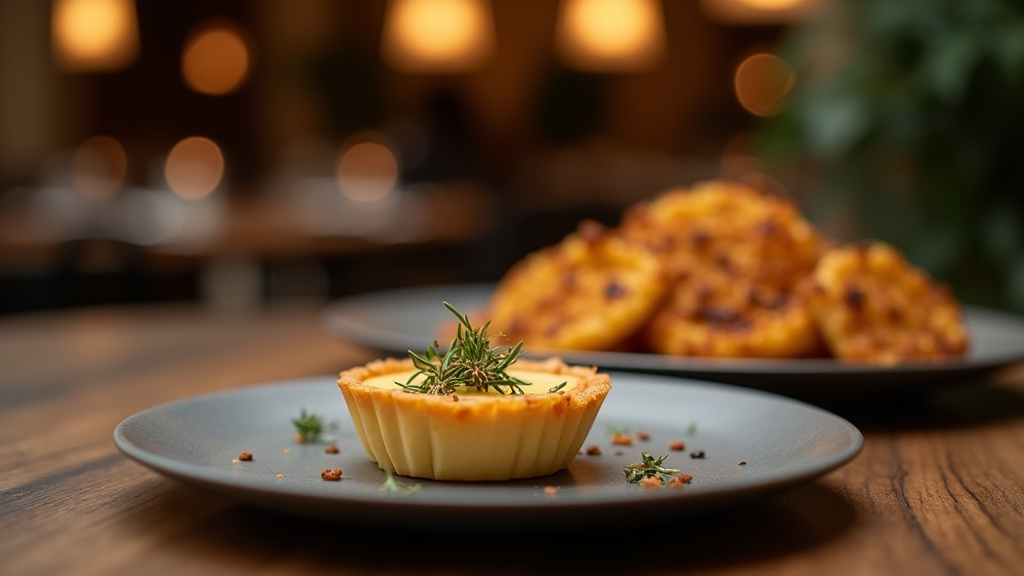
Contrasting this refined elegance is Kid, a venue that is redefining the ‘sustainable-casual’ sector. Kid operates with a philosophy of ‘aggressive seasonality,’ where the menu is dictated by what the surrounding regions provide each morning. This presents an economic impact that is both challenging and rewarding: the kitchen minimizes food waste by utilizing every part of the harvest, from root to stem. The resulting dishes are rustic yet intellectually stimulating. The standout here was a roasted heritage carrot dish, treated with the same reverence usually reserved for prime cuts of meat. It signals a broader market shift toward vegetable-forward luxury, a trend that Kid is spearheading with conviction.
Botanical Mixology and Social Architecture at Georgie’s Bar
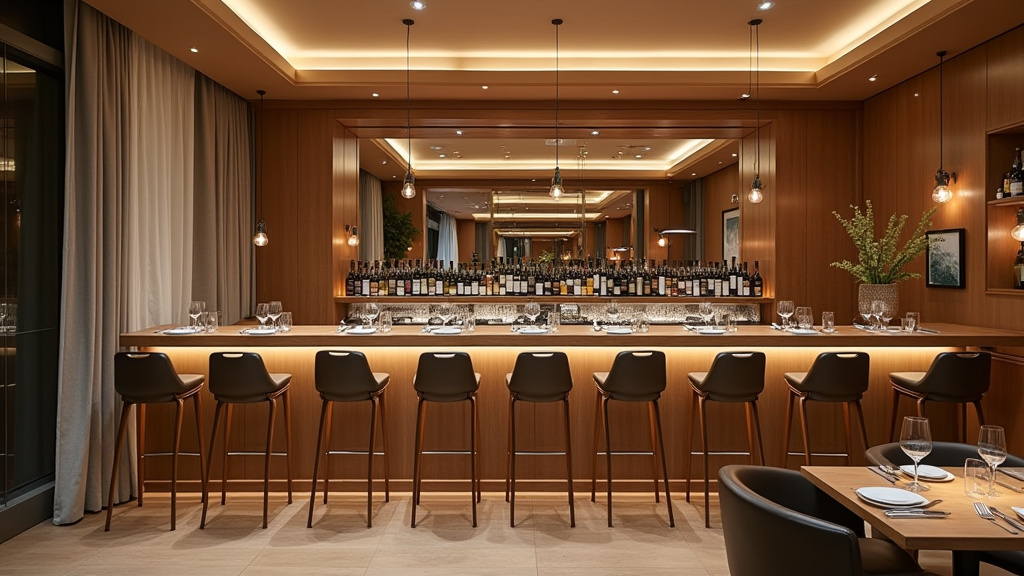
It is no longer enough for a venue to serve high-quality spirits; they must curate an atmosphere. Georgie’s Bar has mastered the art of social architecture in September 2026. The bar program is deeply rooted in botanical exploration, moving beyond the tired ‘gin and tonic’ obsession to explore distilled essences of London’s local flora. The signature cocktails are complex, multi-layered, and surprisingly drinkable.
The bar serves as a critical study in how hospitality groups are adapting to the post-pandemic craving for social friction and connection. The lighting is low, the acoustic treatment is impeccable—allowing for conversation without shouting—and the service is choreographed with a rhythmic fluidity. It is a venue that understands that in 2026, the guest is paying for the ‘third place’ experience as much as they are for the drink itself.
The Future of Fusion at Nakimushi
If Lunette and Kid define the current state of European-adjacent dining, Nakimushi represents the bold future of cross-cultural innovation. Nakimushi is not fusion in the archaic sense of ‘blending’ cuisines; it is an interrogation of flavor profiles across borders. The kitchen draws heavily from Japanese methodology but applies it to unconventional, often locally sourced ingredients. The resulting experience is transformative.
Take, for instance, their integration of cured British game with miso-cured root vegetables. It is a risky proposition, but it succeeds because of the technical rigor applied to the fermentation processes happening behind the scenes. This is where the industry is heading: the democratization of high-end fermentation techniques being applied in accessible, high-energy environments. Nakimushi manages to be both a serious culinary destination and a place that feels vibrant, alive, and thoroughly modern.
Economic and Cultural Shifts in Dining
When we analyze why these specific venues—Lunette, Kid, Georgie’s Bar, and Nakimushi—are rising to the top, three secondary angles emerge that explain the broader culinary economy of 2026.
First, there is the ‘Hyper-Local Supply Chain.’ Economic pressures have forced restaurateurs to localize supply chains to avoid the volatility of international logistics. This is driving the farm-to-table model from a moral preference to an economic necessity.
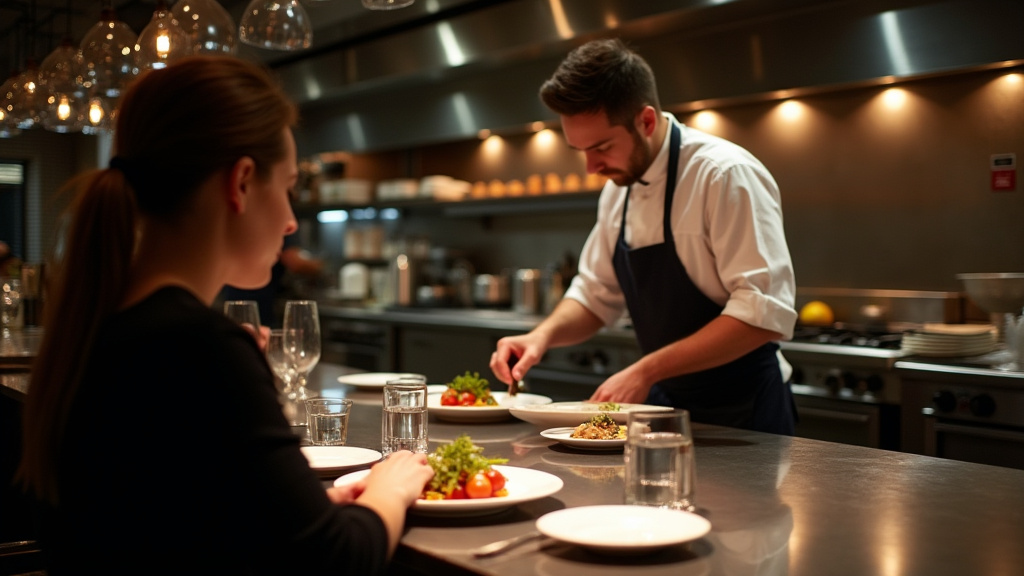
Second, we are seeing the ‘Digital-Physical Hybridization.’ All four venues utilize sophisticated, AI-driven reservation management and guest-profiling systems. These systems allow the staff to personalize the experience—knowing a guest’s preference for seating or allergy requirements before they walk through the door—creating a high-touch service model that feels human, even when underpinned by data.
Finally, there is the ‘Experience Economy vs. Ingredient Cost.’ As the cost of premium protein rises, chefs are relying more heavily on skill-intensive techniques (curing, smoking, fermenting) to create value. The price of a meal is no longer just the cost of the ingredients; it is the cost of the labor, time, and intellectual property inherent in the prep work. This shift is stabilizing the industry, as diners increasingly value the craft over the exclusivity of the product.
As we look forward to the final quarter of 2026, these venues have set a benchmark. They prove that London’s culinary future is not about grandiosity or spectacle; it is about precision, ethics, and the thoughtful application of technique.