London is often unfairly characterized by its high cost of living and the expense associated with tourism. However, beneath the veneer of luxury lies an unparalleled public infrastructure of culture, history, and natural beauty that remains entirely accessible to everyone. From the sprawling, centuries-old collections of the British Museum to the panoramic heights of the Sky Garden, the city offers a wealth of opportunities for exploration that do not require an admission fee. This guide breaks down 32 specific, free-to-access experiences that define the capital in 2024, providing a roadmap for both residents and visitors to engage with the city’s complex, evolving identity.
Key Highlights
- Museum Access: Six of the world’s most prestigious institutions, including the British Museum and the Natural History Museum, maintain permanent free admission policies.
- Skyline Vantage Points: Iconic views of the London skyline are now available at public, no-cost sky gardens located in the City of London financial district.
- Historic Green Spaces: The Royal Parks offer thousands of acres of protected, public-access wilderness within the urban sprawl.
- Cultural Immersion: Weekly traditions like the Changing of the Guard and local market street scenes remain pillars of London’s free entertainment ecosystem.
The Architecture of Accessibility: Mapping London’s Free Cultural Assets
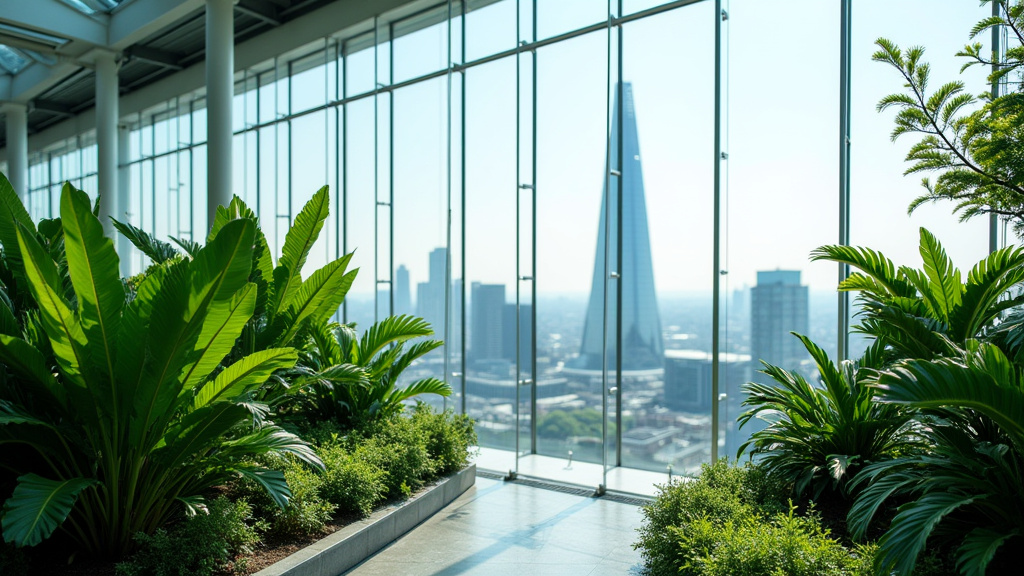
The survival of free, open-access public culture in a city as commercially aggressive as London is not accidental. It is the result of a deliberate policy framework—dating back to the British Museum Act of 1753—that mandates public access to national collections. In 2024, this commitment has expanded to include private-public partnerships, where new skyscrapers are granted planning permission only if they provide public viewing galleries, such as the Sky Garden at 20 Fenchurch Street and the Garden at 120.
The Institutional Heavyweights
London’s museum sector is arguably the most robust in the world. The British Museum remains the cornerstone, housing millions of artifacts spanning the history of human civilization. Complementing this is the Natural History Museum in South Kensington, a masterpiece of Victorian architecture, and the Victoria and Albert Museum (V&A), which remains the global gold standard for art and design. Additionally, art lovers can access the National Gallery in Trafalgar Square, the Tate Modern (housed in the former Bankside Power Station), and the Tate Britain, ensuring that centuries of artistic evolution are available to the public for zero entry cost.
Skyward Bound: The New Viewpoints
For decades, the only way to see London from above was via the London Eye or the Shard, both of which carry significant costs. Today, the cityscape has shifted. The Sky Garden (20 Fenchurch Street) offers a three-story public atrium with 360-degree views, while The Garden at 120 offers an open-air roof terrace that rivals any paid observatory. These spaces are vital, providing a social democratic approach to urban geography where the best views are not reserved solely for the wealthy or the corporate elite.
The Urban Wilderness
London is one of the world’s greenest cities by percentage of land cover, thanks to the Royal Parks. Hyde Park, Kensington Gardens, Regent’s Park, St James’s Park, and Green Park form a continuous green corridor through the city center. Further out, Hampstead Heath provides a rugged, untamed contrast to the manicured parks of the center, offering one of the best elevated vistas of the city from Parliament Hill. Greenwich Park offers a similar historical elevation, aligning with the Prime Meridian.
Markets and Ceremonies
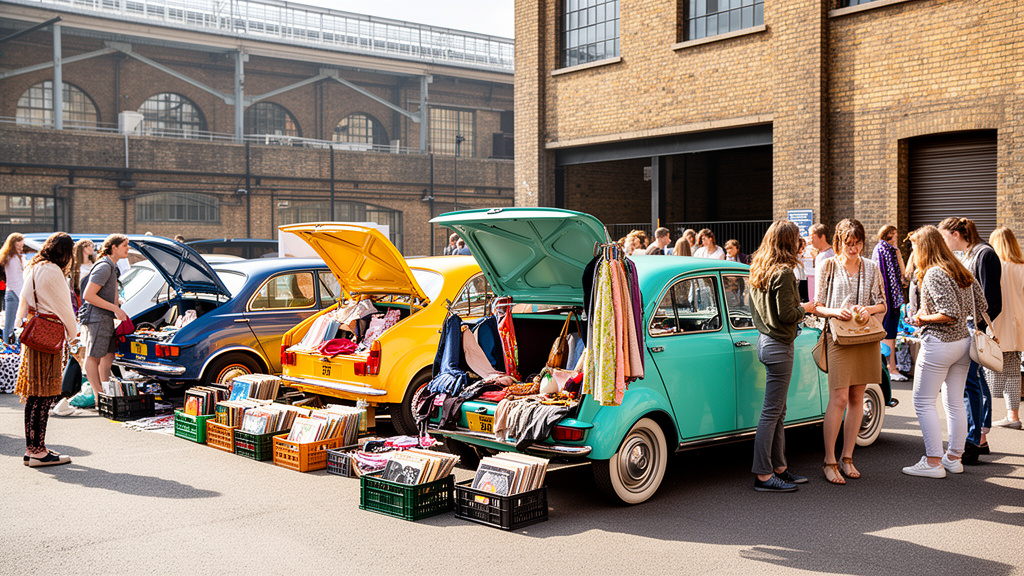
Beyond static institutions, London’s vibrancy is found in its streets. Borough Market is a culinary epicenter where browsing the stalls is an experience in itself. Columbia Road Flower Market remains a visceral, sensory tradition on Sunday mornings. For history, the Changing of the Guard at Buckingham Palace remains a spectacle of pageantry that costs nothing to witness. For those seeking niche historical interests, Sir John Soane’s Museum offers an intimate, eccentric look into the mind of a 19th-century architect, preserved exactly as he left it.
The Economic and Cultural Impact of Free Access
There is a broader economic context to these free offerings. Research from the Greater London Authority (GLA) suggests that free attractions act as a primary driver for domestic and international tourism, encouraging longer stays and repeat visits. When entry fees are removed, the resulting visitor spend is redistributed to the surrounding hospitality sector—cafes, transit, and retail—creating a more symbiotic economic model than a pure high-ticket gate model.
Furthermore, the evolution of these sites reflects modern urban planning. The rise of the “publicly accessible private space” (POPS) has changed how the city looks. Developers now trade air rights for public access, a strategy that has fundamentally altered the skyline in the City of London and the South Bank. This creates a “third space” dynamic, where people are not expected to consume, but simply to exist, observe, and connect.
Finally, we see a shift toward “experiential tourism.” Modern visitors are less interested in rigid, guided tours and more focused on localized, immersive experiences. Walking the South Bank, visiting the Barbican Conservatory (which houses over 2,000 species of plants), or simply walking the route of the Platform 9 3/4 exhibit at King’s Cross station (a pop-culture icon) represent a transition toward a more organic, user-defined way of traversing the city.
FAQ: People Also Ask
1. Are all museums in London truly free?
Yes, the vast majority of major national museums (like the British Museum, Science Museum, and V&A) are free for permanent collections. However, special temporary exhibitions often require paid, pre-booked tickets.
2. Do I need to book in advance for these free attractions?
While not always mandatory, for popular sites like the Sky Garden and the British Museum, booking a free, timed-entry slot online is highly recommended to guarantee admission and avoid long wait times.
3. Is public transport included in these free experiences?
No. While the attractions are free, London’s public transport system (TfL) requires payment. However, walking between many of these sites—particularly along the South Bank or through the Royal Parks—is a viable and recommended way to traverse the city.
4. Are there any hidden costs I should watch out for?
Most free attractions are fully independent of commercial pressure, but be aware that they are surrounded by retail zones. While entry is free, food and gift shops within the museums are priced at a premium.