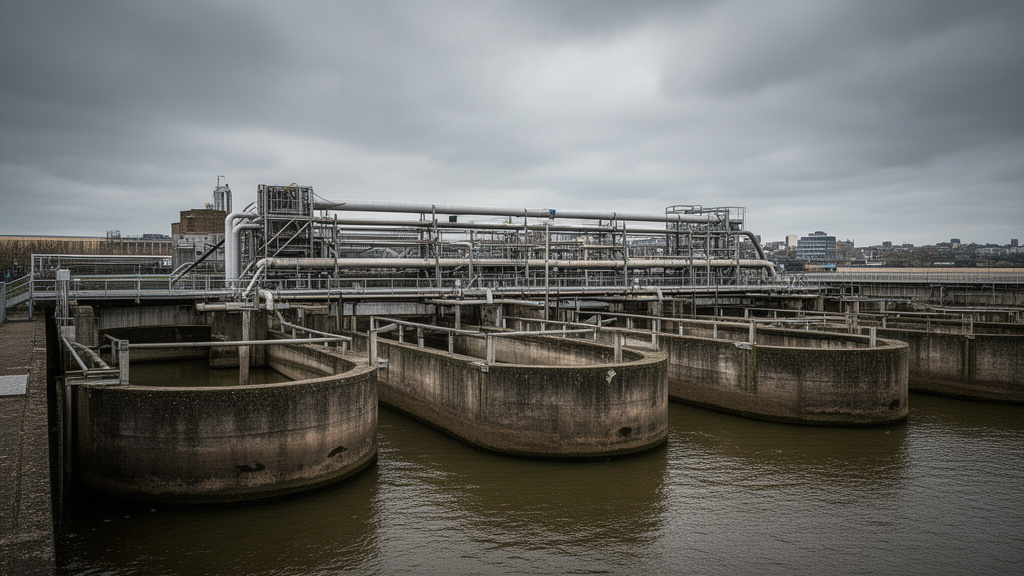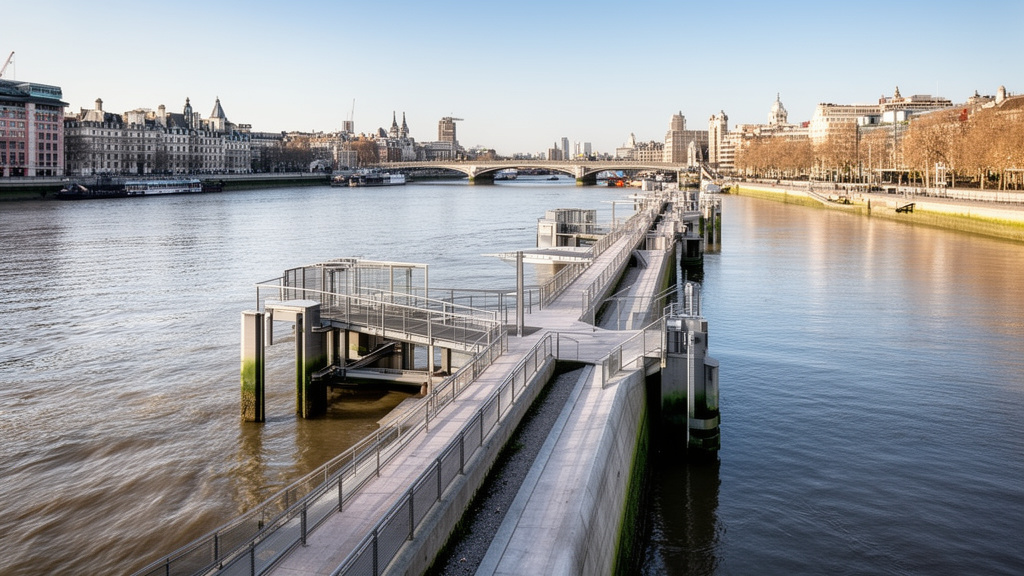
The Thames Tideway Tunnel, London’s monumental engineering solution known colloquially as the ‘Super Sewer,’ has delivered its first definitive results, marking a watershed moment for the capital’s environmental health. According to the latest data from Thames Water, the system has successfully facilitated an 86% reduction in raw sewage discharge into the River Thames since becoming operational. This massive infrastructure project, designed to intercept storm overflows that previously plagued the city’s waterway, also prevented an estimated 84 tonnes of litter from polluting the ecosystem, signaling a significant shift toward a cleaner, more sustainable urban river.
Key Highlights
- 86% Reduction: Storm sewage discharge into the River Thames has plummeted by 86% due to the tunnel’s interception capabilities.
- Litter Prevention: Approximately 84 tonnes of waste and debris have been successfully captured and diverted from entering the waterway.
- Engineering Scale: The tunnel spans 25 kilometers, running from Acton in west London to Abbey Mills in the east, built deep beneath the city at depths of up to 66 meters.
- Historical Context: The project serves as a critical upgrade to Sir Joseph Bazalgette’s 19th-century Victorian sewer system, which was never designed to handle London’s modern population density.
A New Era for the River Thames: Anatomy of the Super Sewer
For over a century, London relied on the Victorian sewerage network designed by Sir Joseph Bazalgette in the aftermath of the 1858 ‘Great Stink.’ While this network was a marvel of the 19th century, it was fundamentally limited by its reliance on Combined Sewer Overflows (CSOs). During heavy rainfall, the system was designed to overflow into the Thames to prevent sewage from backing up into homes and streets. However, as London’s population surged and impervious urban surfaces prevented natural drainage, these overflows became frequent, occurring even during relatively moderate rainfall events. The Thames Tideway Tunnel was conceived as the necessary, modern answer to this persistent failure.
The Mechanics of Interception
The operation of the Tideway Tunnel is a masterclass in hydraulic engineering. The tunnel operates as a massive holding facility, intercepting the sewage that would otherwise cascade into the river. Instead of entering the Thames, the overflow is diverted into the tunnel, where it is stored until the treatment works at Beckton have the capacity to process it. Automated sluice gates and sensory equipment manage the flow, ensuring that the tunnel is utilized only when necessary. This process is fully integrated with the existing Lee Tunnel—which has been operational since 2016—to create a unified, high-capacity drainage network that finally aligns London’s infrastructure with 21st-century environmental standards.
Restoring Biodiversity and River Health
The ecological consequences of this reduction in pollution cannot be overstated. For decades, the presence of untreated sewage has decimated dissolved oxygen levels in the tidal Thames, creating ‘dead zones’ that inhibited fish migration and aquatic life. With the dramatic 86% reduction in discharge, water quality experts anticipate a gradual but significant recovery in biodiversity. This includes the return of sensitive fish species, such as smelt and salmon, and a general improvement in the health of the river’s invertebrate populations. Beyond the biological metrics, the 84 tonnes of litter removed from the water represent a massive reduction in plastic pollution and non-biodegradable waste, which previously choked the banks and harmed marine life.
The Economic and Social Trade-off
The project was not without controversy, primarily regarding its staggering cost and the disruption caused during the decade-long construction phase. Funding for the tunnel was sourced through customer bills, a point of contention during the planning and construction stages. However, as the initial impact reports surface, the conversation is shifting toward the long-term value proposition. The ‘Super Sewer’ acts as a public health insurance policy for London. By mitigating the health risks associated with waterborne pathogens and enhancing the aesthetic and recreational value of the river, the project creates an intangible economic boost. The Thames, once a neglected industrial artery, is increasingly being utilized as a recreational asset, and the Tideway Tunnel is the infrastructure backbone that makes this cultural and economic transition possible.
Looking Toward Future Sustainability
While the 86% reduction figure is a success, engineers and environmental agencies are already looking to the future. Climate change predictions indicate more frequent and intense rainfall events for London. The Tideway Tunnel has been engineered with future-proofing in mind, but the broader strategy for a ‘sponge city’—incorporating green roofs, permeable pavements, and sustainable drainage systems (SuDS)—remains vital. The tunnel provides a safety net, but sustainable urban planning must reduce the volume of surface water entering the sewer system in the first place. The collaboration between Thames Water, the Environment Agency, and the local government is now focused on optimizing this hybrid approach to ensure the tunnel remains effective for the next century of London’s growth.
FAQ: People Also Ask
1. How does the Tideway Tunnel handle heavy rainfall?
The tunnel acts as a storage vessel. During heavy rain, sewage that would have overflowed into the river is diverted into the 25km tunnel. It holds the effluent until the treatment plants downstream have the capacity to handle the volume, ensuring only treated water eventually enters the river.
2. Is this the end of all pollution in the River Thames?
No. While the Tideway Tunnel addresses storm sewage overflows (the primary source of pollution), the river still faces challenges from agricultural runoff, misconnected private drains, and industrial discharge. The tunnel is a major win, but not a total solution for every pollutant.
3. How deep is the Thames Tideway Tunnel?
The tunnel is remarkably deep, reaching depths of up to 66 meters below the surface. This depth was required to pass beneath existing underground infrastructure, including existing sewer lines, utility pipes, and the London Underground network.
4. Who paid for the construction of the Super Sewer?
The project was funded by Thames Water customers through their water bills, as well as private investment from shareholders. It is regulated by Ofwat to ensure the costs and the delivery of the project remain in the public interest.