As the November chill sets into the capital, Londoners are finding warmth through cultural immersion and historic exploration. This weekend, November 21-22, 2026, the city offers a distinct blend of maritime heritage and esoteric history, centering on the iconic Greenwich district. Whether you are a local seeking a deeper connection to the city’s roots or a visitor navigating the pre-holiday atmosphere, this weekend is defined by events that celebrate the narrative power of the Thames.
Key Highlights:
- Sea Shanty Festival at the Cutty Sark: Experience live performances of traditional nautical songs in the shadow of the historic tea clipper.
- British Folklore Deep Dive: A series of expert-led lectures exploring the evolution of regional myths and urban legends.
- Greenwich Maritime Quarter: Special extended hours for local heritage sites and seasonal craft pop-ups.
The Maritime Echoes and Folklore Wonders of London
London in late November is a city of transitions. The days are shortening, the evening light creates long, dramatic shadows across the Thames, and the public mood shifts toward indoor cultural experiences. This weekend, the calendar is dominated by two primary thematic anchors: the rhythmic, communal history of the seas and the enduring, sometimes unsettling, narratives of British folklore.
The Resurgence of the Sea Shanty at Cutty Sark
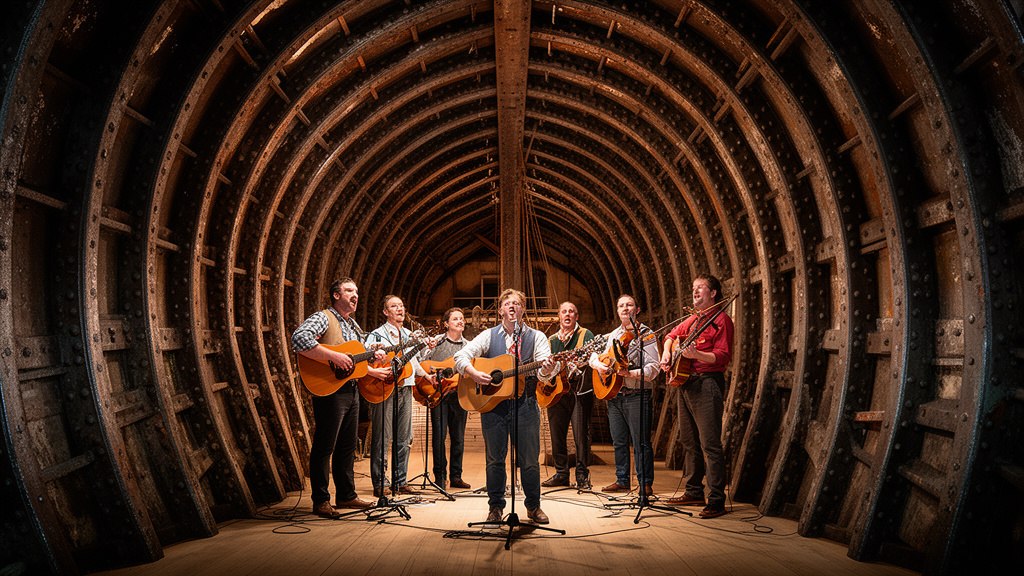
Perhaps the most anticipated event this weekend is the Sea Shanty Festival hosted at the historic Cutty Sark in Greenwich. While sea shanties were once the utilitarian working songs of merchant sailors—designed to coordinate heavy labor aboard 19th-century clippers—they have undergone a significant cultural resurgence in the mid-2020s.
For the weekend of November 21-22, 2026, the ship’s hull, which acts as a massive, inverted amphitheater, provides the perfect acoustic environment for these performances. Unlike a standard concert hall, the metal ribbing of the ship offers a reverberation that mimics the historical reality of these songs being sung in tight, hollow quarters. Visitors should expect a mix of traditional a cappella groups and modern folk artists who are reinterpreting these classic tunes. The event is not merely a performance; it is a demonstration of how maritime labor defined the economic history of London’s docks. The festival organizers have emphasized that the songs chosen will reflect the specific trade routes of the tea clipper era, connecting the audience directly to the vessel’s past voyages.
Unraveling the Threads of British Folklore
Parallel to the maritime festivities, a series of cultural and historical talks are taking place across London, focusing on the preservation and analysis of British folklore. These sessions, organized by leading academic and historical preservation groups, are timely. In a rapidly digitizing world, the oral tradition of folklore—the “old ways”—is increasingly seen as a vital component of cultural identity.
This weekend’s discussions are expected to bridge the gap between rural superstitions and modern urban legends. Speakers are slated to discuss the evolution of regional spirits, the significance of green-man iconography in British architecture, and how folklore served as a psychological mechanism for coping with the harsh winters of pre-industrial Britain. Attendees can expect a rigorous exploration of these topics, moving beyond the sensationalism often found in paranormal media. The goal is to provide a contextual understanding of how these stories were not just entertainment, but an essential fabric of social cohesion. The talks are strategically located in historic libraries and meeting halls in Greenwich, encouraging attendees to walk the same cobblestones that inspired centuries of local mythology.
Navigating the Cultural Landscape
The logistical landscape of London this weekend requires a bit of foresight. With the Cutty Sark festival drawing significant crowds, the DLR (Docklands Light Railway) is expected to experience higher than usual passenger volume, particularly between 11:00 AM and 4:00 PM on both Saturday and Sunday.
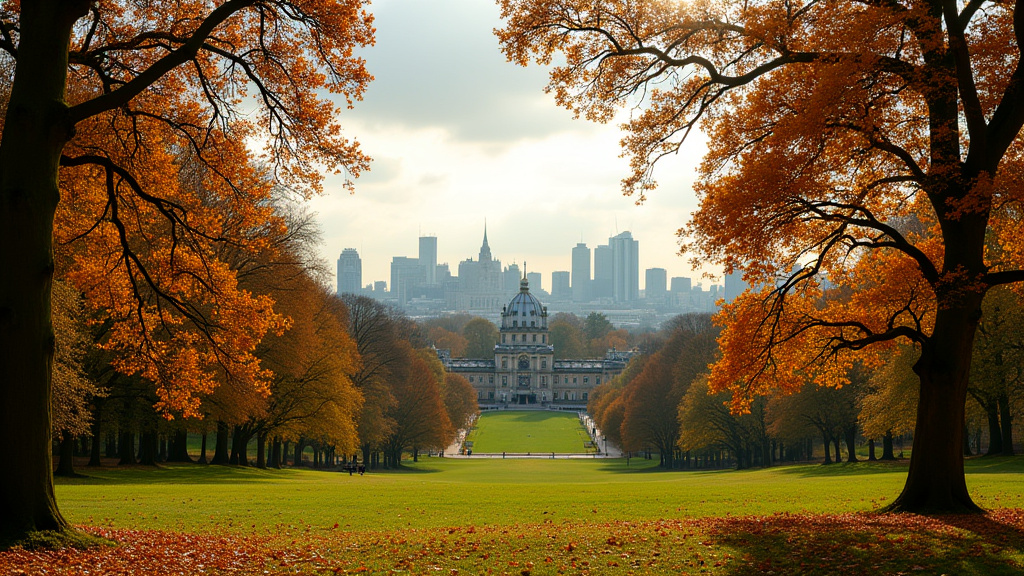
Beyond the primary events, the weekend presents an excellent opportunity to explore the lesser-known side streets of Greenwich. The culinary scene in the area has seen a distinct shift toward autumn-centric menus, with local gastropubs focusing on traditional recipes that pair well with the cold, damp weather. Furthermore, the economic impact of these cultural events cannot be understated; the localized tourism brought about by the folklore and maritime festivals provides a vital boost to the independent retailers along the riverbank. Visitors are encouraged to prioritize pre-booked tickets for the Cutty Sark event, as capacity is limited to ensure the acoustic integrity of the space. Planning your route to arrive early will not only avoid the midday crush but also allow for a more solitary, contemplative walk along the Thames path before the sunset at approximately 4:00 PM, providing the perfect “Golden Hour” photo opportunities against the silhouette of the old naval architecture.
FAQ: People Also Ask
Q: Are the folklore talks suitable for children?
- A: While the subject matter is academic and grounded in history, some of the darker regional legends may be better suited for teenagers and adults. It is best to check the specific panel descriptions on the organizers’ websites.
Q: Is there an entrance fee for the Sea Shanty Festival?
- A: Yes, the festival at the Cutty Sark requires a ticket, which typically includes general admission to the ship. Early booking is highly recommended due to high demand.
Q: How should I travel to Greenwich for these events?
- A: The DLR to Cutty Sark for Maritime Greenwich station is the most efficient route. Alternatively, the Uber Boat by Thames Clippers offers a scenic arrival point directly at the pier.
Q: Will the weather impact outdoor portions of the events?
- A: Late November in London is unpredictable. While the core events are indoors or sheltered, outdoor walkways can be chilly and damp; waterproof, layered clothing is strongly advised.