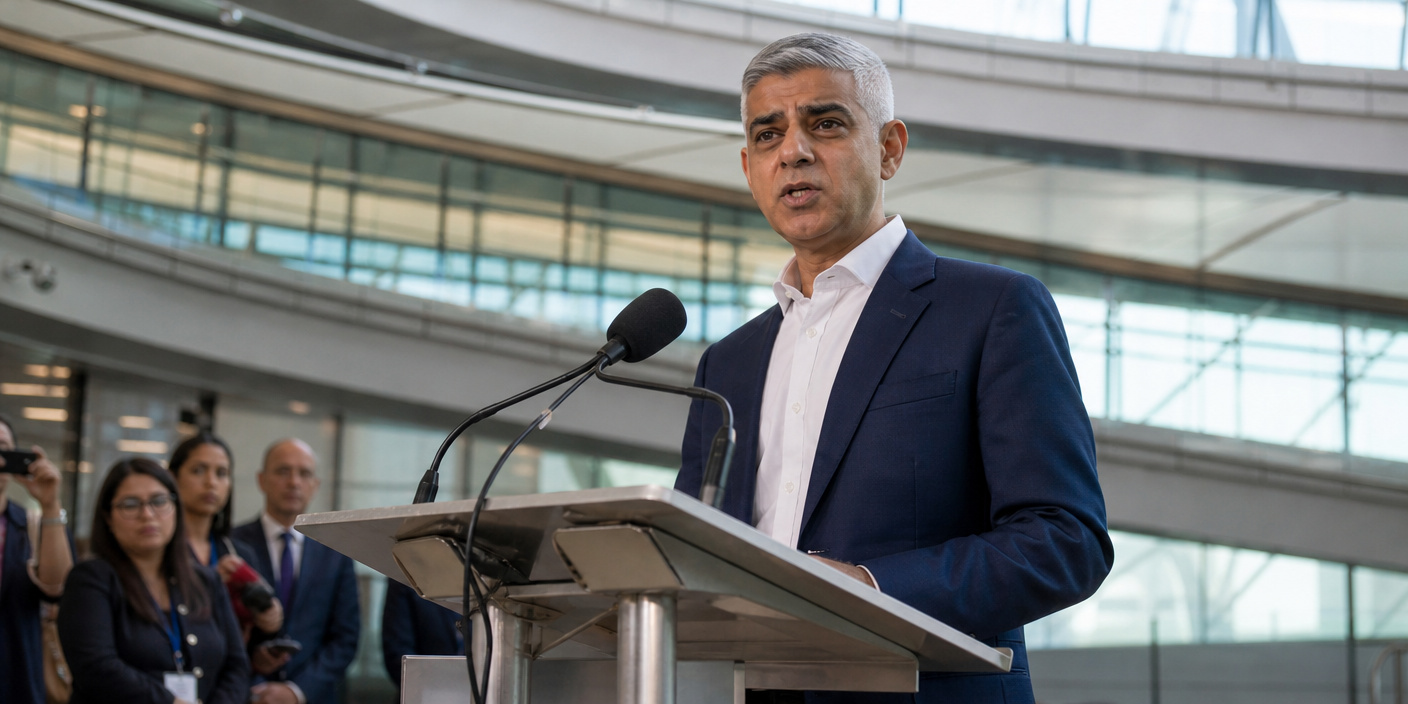
Mayor Sadiq Khan has officially unveiled a major reshuffle of his senior administration team, signaling a strategic realignment of City Hall as the Greater London Authority (GLA) prepares to take on significant new powers and budget responsibilities. This high-profile restructuring sees the appointment of key political figures into critical roles, including transport, policing, and environmental policy, as the Mayor looks to consolidate his administration’s priorities for the coming term. The announcement follows recent negotiations with the national government regarding devolution, which will see more decision-making authority transferred from Whitehall to the capital’s local government.
Key Highlights
- Strategic Appointments: Kaya Comer-Schwartz has been named London Skills Commissioner, while Lib Peck takes on the role of Deputy Mayor for Policing and Crime.
- New Leadership: Mete Coban has been appointed as Deputy Mayor for Transport, and Seb Dance will serve as Deputy Mayor for Environment and Energy.
- Expanded Mandate: The reshuffle is a direct response to the devolution of significant powers and funding from the central government to the Greater London Authority.
- Policy Focus: The new team is tasked with addressing urgent challenges, including the long-term financial sustainability of Transport for London (TfL), rising public safety concerns, and the city’s ambitious net-zero environmental targets.
A New Era of Governance for London
The decision to refresh the senior leadership team at City Hall is being viewed by political analysts as a deliberate move to synchronize the Mayor’s office with the broader legislative agenda of the current national government. With the devolution of new powers—which includes greater control over regional development, skills training, and specific infrastructure budgets—Khan’s administration is positioning itself to be more autonomous and effective in delivering local services.
Strategic Realignment: Transport and Environment
The appointment of Mete Coban as Deputy Mayor for Transport is perhaps the most scrutinized element of this reshuffle. Transport for London remains the lifeblood of the capital’s economy, yet it continues to grapple with the long-term aftershocks of the pandemic on ridership and revenue. Coban, who brings a background in local government advocacy, is expected to focus on modernization, network expansion, and ensuring the financial stability of the transport network without placing an undue burden on the taxpayer. Simultaneously, Seb Dance’s appointment to the Environment and Energy portfolio signals a continued, aggressive push toward London’s climate goals. The city’s transition to net-zero is not merely an environmental imperative but a central economic pillar for the Mayor’s long-term vision, involving complex negotiations with utilities and green-tech stakeholders.
Tackling Crime and Empowering the Workforce
Lib Peck, taking over as Deputy Mayor for Policing and Crime, steps into one of the most challenging roles in London politics. With the Metropolitan Police Service under significant public and institutional scrutiny, Peck’s mandate will likely revolve around rebuilding public trust, modernizing police response strategies, and integrating local community-based crime prevention initiatives with official enforcement.
Meanwhile, Kaya Comer-Schwartz assumes the newly energized role of London Skills Commissioner. As the capital faces a shifting labor market, particularly in the tech and green energy sectors, her mission is to bridge the gap between educational institutions and industry requirements. This role is pivotal for the Mayor’s economic growth strategy, ensuring that Londoners are equipped with the skills necessary for the jobs of the future, thereby reducing reliance on international recruitment and fostering local economic resilience.
The Whitehall-City Hall Relationship
The transfer of powers from Whitehall to City Hall is more than just a bureaucratic change; it represents a fundamental shift in how London is governed. By bringing in experienced local government hands like Comer-Schwartz and Coban, the Mayor is signaling a ‘delivery-first’ approach. The success of this reshuffle will ultimately be measured by the administration’s ability to utilize these new powers to bypass traditional logistical bottlenecks. Historically, London’s relationship with central government has been marked by tension, but this new structural empowerment suggests a move toward a more collaborative, albeit demanding, partnership where London is given more autonomy in exchange for greater accountability over its outcomes.
Future-Proofing the Capital
As the administration settles into this new configuration, the challenges remain significant. From housing shortages to air quality improvements and the ongoing necessity of infrastructure upgrades, the new deputy mayors face a steep learning curve. However, by aligning specific portfolios with leaders who have proven track records in local government, Sadiq Khan is attempting to insulate his administration from the political volatility often associated with high-level appointments. The next 18 months will be critical. If the new team can successfully demonstrate the tangible benefits of devolved power—through shorter commutes, safer streets, and more accessible vocational training—it could set a powerful precedent for other major metropolitan areas seeking to decentralize authority in the United Kingdom.
FAQ: People Also Ask
Q: What is the significance of the ‘devolution’ mentioned in this reshuffle?
A: Devolution refers to the transfer of powers and budget authority from the central government (Whitehall) to the local government (the Greater London Authority). This allows the Mayor and his team to make more localized decisions regarding infrastructure, skills development, and planning without waiting for national-level approval, theoretically speeding up project delivery.
Q: Why are these specific appointments considered a ‘major reshuffle’?
A: These appointments cover critical pillars of London’s daily operation: transportation, public safety, environmental sustainability, and workforce development. Replacing the leadership in these specific sectors simultaneously indicates a total strategic pivot aimed at capitalizing on the new devolved powers.
Q: What are the main challenges facing the new Deputy Mayor for Transport?
A: The primary challenge for Mete Coban involves the financial sustainability of Transport for London (TfL). Balancing the need for network investment and modernization with the reality of post-pandemic revenue streams remains a complex and urgent task.
Q: Does this reshuffle affect the Metropolitan Police?
A: Yes. The appointment of Lib Peck as Deputy Mayor for Policing and Crime directly impacts the oversight and strategic direction of the Metropolitan Police Service, particularly concerning reform, public trust, and community-led crime reduction initiatives.