A major London hospital became the scene of urgent activity this morning as reports of a chemical incident prompted the immediate evacuation of 150 individuals. Guy’s Hospital, a prominent institution in Southwark, saw its routine operations disrupted by the unfolding news that required a swift and decisive emergency response. The incident, which sent ripples of concern across the capital, highlighted the robust preparedness of the city’s emergency services for such unforeseen crises.
The Unfolding Scene at Guy’s Hospital
The dramatic evacuation at Guy’s Hospital commenced early this Thursday, involving a significant portion of its premises. A total of 150 people were evacuated from both the basement and ground floor after initial reports of a chemical incident surfaced. The sudden necessity for such a large-scale evacuation underscored the potential severity of the situation, prioritizing the safety of patients, staff, and visitors above all else. The call to emergency services was made at 8:49 am (0749 GMT) on Thursday, August 14, 2025, triggering a rapid and coordinated deployment of resources to the bustling Southwark area. The precise nature of the chemical involved has not yet been publicly disclosed, keeping the focus squarely on containment and safety protocols. This immediate and substantial response reflects the seriousness with which such reports are treated within the heart of London.
Rapid Mobilization of Specialist Resources
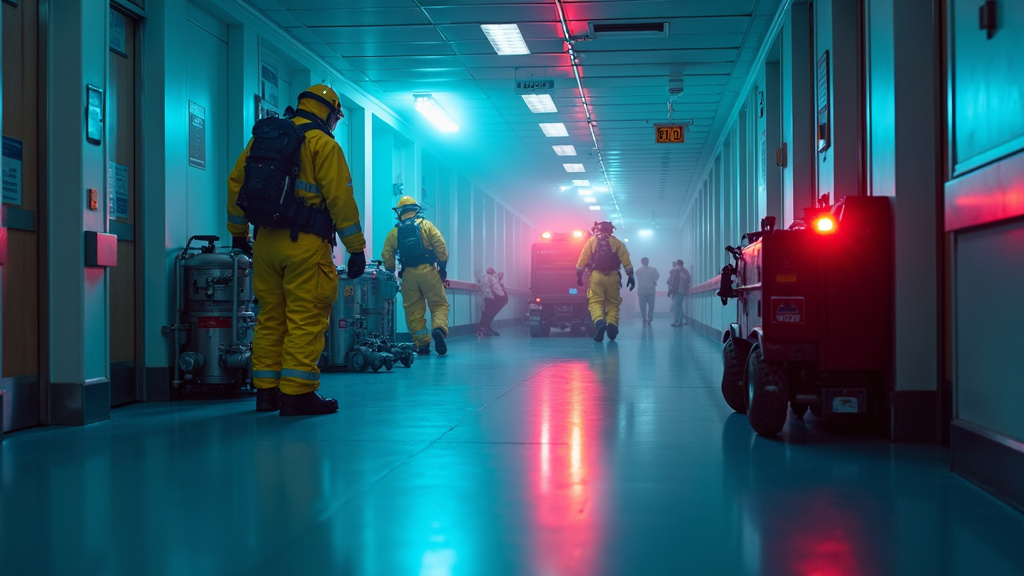
In response to the gravity of the situation and the inherent risks associated with chemical incidents, the London Fire Brigade orchestrated a comprehensive deployment of specialized units. The contingent dispatched to Guy’s Hospital was extensive, designed to provide a multi-faceted approach to the evolving challenge. This included two fire engines and two fire rescue units, which are vital for initial response, hazard control, and potential rescue operations. Crucially, a dedicated command unit was also dispatched to the scene, establishing a central hub for coordinating the complex emergency response, ensuring seamless communication and strategic decision-making among various agencies.
Perhaps the most critical component of the deployment were the specialist hazardous materials officers. These highly trained professionals are equipped to identify, assess, and mitigate risks posed by dangerous substances. Their presence is paramount in situations like the one unfolding at Guy’s Hospital, where the precise chemical agent and its potential effects need rapid evaluation to guide safe and effective counter-measures. Their expertise is absolutely essential for understanding the scope of the incident and for advising on the most appropriate actions to neutralize any threat. The comprehensive nature of the resources featured in this rapid mobilization demonstrates the London Fire Brigade’s capacity to handle complex and potentially dangerous scenarios within the urban landscape.
Containment and Ventilation Efforts Underway
Upon their arrival at the Southwark site, firefighters immediately commenced their critical operations, with a primary focus on ventilating the building. This essential task is paramount in situations involving suspected chemical agents, as controlled airflow works to rapidly disperse any harmful airborne substances, thereby reducing concentrations and mitigating potential exposure risks. The meticulous efforts to manage the internal atmosphere of the affected areas were central to reducing potential harm and ensuring the safety of all personnel, both those directly involved in the response and the broader hospital environment.
Ventilation operations are a key component of chemical incident response, aimed at making the environment safe for re-entry and preventing the spread of contaminants. Teams are systematically working through the affected basement and ground floor levels, employing specialized equipment to circulate fresh air and extract any lingering fumes or vapors. This methodical approach is designed to ensure a thorough and effective decontamination process, restoring the air quality to safe levels. The ongoing nature of these operations underscores the careful and deliberate approach being taken to resolve the incident with the utmost precision.
Impact on a Vital London Institution
Guy’s Hospital, a foundational pillar of the National Health Service (NHS) and a cornerstone of healthcare in London, serves a vast population and is a vital part of the city’s infrastructure. Its designation as a “major London hospital” reflects its critical role in providing advanced medical care, research, and education. An incident of this nature, particularly one requiring a significant evacuation, inevitably causes substantial disruption to its extensive operations. While patient care in unaffected areas of the hospital is expected to continue, the focus of emergency services remains firmly on the areas directly impacted by the chemical report, ensuring the safety of the entire facility.
The incident serves as a stark reminder of the unpredictable challenges faced by large urban centers and the constant readiness required of their emergency services. For a hospital of Guy’s stature, maintaining operational continuity amidst such events is paramount, and the swift execution of emergency protocols is testament to its well-drilled procedures. The Southwark community, which relies heavily on Guy’s Hospital, watches closely as the situation unfolds, confident in the dedication of the emergency teams on site.
Looking Ahead: An Ongoing Situation
As operations continue at Guy’s Hospital, emergency personnel remain focused on containing the incident and ensuring the affected areas are thoroughly safe. The initial reports of a chemical incident have been met with a highly professional and robust response, limiting the immediate impact to the specified floors and ensuring that the wider public remains out of harm’s way. With firefighters meticulously carrying out their ventilation and assessment operations, the situation is being managed with the utmost care and expertise.
The swift response and coordinated efforts of the London Fire Brigade, supported by their specialized units, underscore the readiness of the capital’s emergency services to manage complex and potentially dangerous situations. The priority remains the full assessment and neutralization of any hazardous substances, allowing for the eventual return to normal operations for the evacuated sections of this vital London institution. Further updates are anticipated as the comprehensive investigation and clearance procedures progress.