A violent, isolated incident in the heart of London’s tourist-heavy Covent Garden district has left four men hospitalized with stab wounds, prompting an urgent response from the Metropolitan Police. Authorities confirmed that a 47-year-old woman has been arrested in connection with the attack, which officials are currently characterizing as being related to mental health factors. The incident has triggered a significant police presence in the area, sparking questions about public safety in one of the capital’s most high-traffic pedestrian zones.
Key Highlights
- Suspect in Custody: A 47-year-old woman has been arrested and remains in police custody while investigations continue.
- Four Victims: Four men sustained stab wounds during the incident; their conditions are being monitored by emergency medical services.
- Isolated Incident: The Metropolitan Police have explicitly categorized this as an isolated event, dismissing immediate concerns of a wider threat to the public.
- Weapon Recovered: Authorities have successfully secured the weapon involved in the attack, which is now undergoing forensic analysis.
- Mental Health Focus: The incident is being treated as mental health-related, highlighting the ongoing challenges surrounding crisis intervention in urban environments.
The Crisis in Covent Garden: Analyzing the Response
The tranquility of a typical day in Covent Garden was shattered earlier today as emergency services flooded the area. The incident, which unfolded in a district renowned for its theaters, shopping, and high foot traffic, immediately drew a heavy response from the Metropolitan Police. While the investigation remains in its early stages, the speed with which the suspect was apprehended and the weapon recovered has been a primary focus of the official police narrative.
The Sequence of Events: A Rapid Police Response
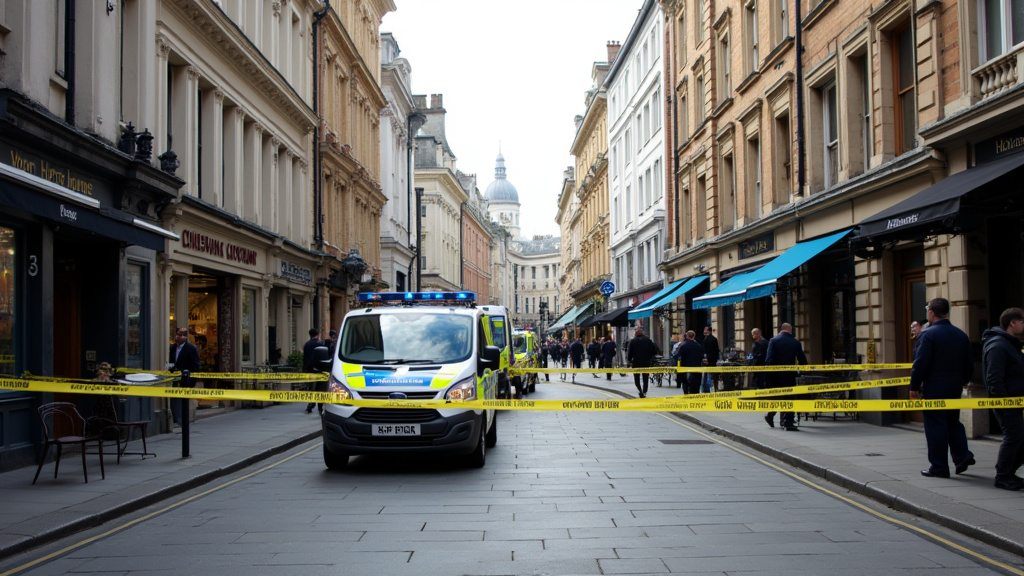
According to initial reports from the Metropolitan Police, the attack occurred rapidly, leaving little time for bystanders to react. Officers were deployed immediately to the scene, establishing a perimeter to secure the area and provide medical triage to the victims. The swift neutralization of the threat is a testament to the high-alert status of patrol units operating in central London. By containing the incident within a localized area, police aimed to prevent the type of cascading chaos often associated with high-profile public disturbances. The identification and arrest of the 47-year-old suspect were achieved within a short window, preventing further potential harm.
Understanding the “Isolated Incident” Designation
In the aftermath of violent crimes, police terminology is vital for public reassurance. By labeling this a “mental health-related, isolated incident,” the Metropolitan Police are signaling to the public that there is no evidence of a terrorist motive, organized gang involvement, or a wider plot. This classification is significant; it serves to prevent mass panic in a high-density area and suggests that the suspect’s actions were triggered by specific, individualized circumstances rather than a desire to commit public terror. However, this designation also shifts the conversation toward the adequacy of existing mental health support services and the ability of law enforcement to de-escalate crisis situations before they turn lethal.
The Intersection of Public Safety and Mental Health
This incident raises profound questions regarding the intersection of severe mental health crises and public safety in major metropolitan centers. As London navigates the complexities of urban security, the recurrence of incidents involving individuals in mental distress poses a unique challenge to authorities. Unlike standard criminal activity, these events often require a dual approach: immediate physical suppression by police and long-term psychiatric assessment by health services. Policy experts argue that the increasing frequency of such events underscores a critical gap in social infrastructure. Can police officers alone manage these situations, or is there a need for specialized, integrated teams that pair mental health clinicians with patrol officers in high-traffic zones like Covent Garden?
The Impact on Central London Tourism
Covent Garden is a crown jewel of London’s tourism economy. As such, any disruption here has a ripple effect on local businesses and the psychological climate of the city. The sight of emergency tape and police vehicles is rare in such a high-end, leisure-centric neighborhood, and the impact of today’s events will likely linger in the minds of commuters and visitors alike. Local businesses, already facing economic headwinds, will now be looking to the Metropolitan Police to demonstrate that the area remains a safe environment for commerce and tourism. Maintaining this perception is crucial for the ongoing vitality of London’s central districts.
Future Implications and Policy Adjustments
Looking ahead, city planners and security agencies will likely revisit their protocols for the Covent Garden area. This might involve increased surveillance, more visible community policing, or even changes in how open-access public squares are monitored. However, the balance between creating a welcoming, open environment and implementing high-security measures is delicate. As investigators continue to piece together the events of this incident, the findings from the forensic examination of the weapon and the psychological assessment of the suspect will undoubtedly inform future public safety strategies in the UK capital.
FAQ: People Also Ask
Q: Is there an ongoing threat to the public in Covent Garden?
A: No. The Metropolitan Police have explicitly stated this is an isolated, mental health-related incident. They have confirmed there is no wider threat to the public and that the suspect is in custody.
Q: What is the current condition of the victims?
A: The four men injured in the attack are receiving treatment. Authorities have not released specific details regarding the severity of their individual injuries but have confirmed they are being supported by emergency medical professionals.
Q: What does it mean when the police say an incident is ‘mental health-related’?
A: This terminology generally indicates that investigators believe the suspect’s actions were driven by a psychological crisis rather than criminal intent, such as robbery or terrorism. It is a legal and procedural classification that dictates how the suspect is processed and treated by the justice system.
Q: Are there any witnesses being sought by the police?
A: While an arrest has been made, the Metropolitan Police routinely appeal for witnesses who may have been in the vicinity to come forward to assist in building a comprehensive timeline of the event. If you have video footage or witnessed the incident, contact the local authorities.