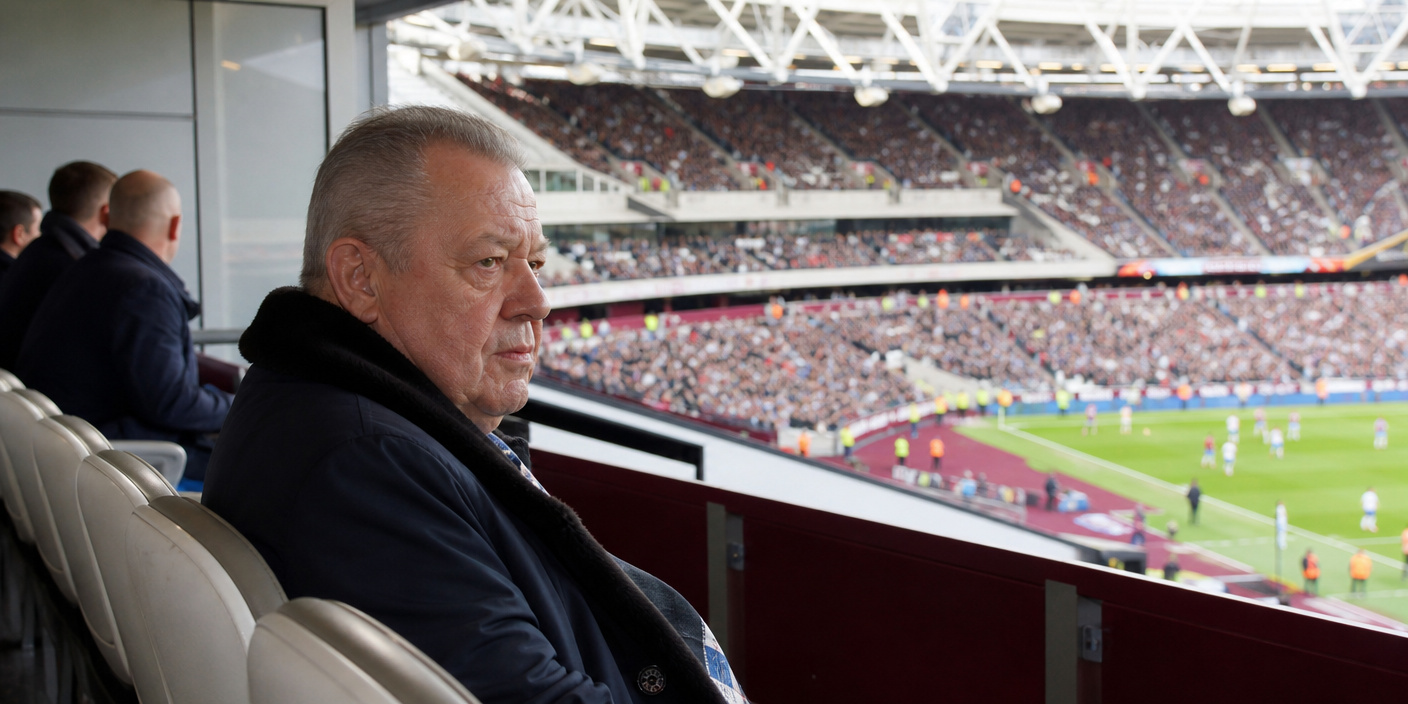
David Sullivan, the long-standing co-owner of West Ham United, has drawn significant public and corporate scrutiny after attending a recent League Cup fixture against Portsmouth. His presence at the London Stadium occurred despite explicit advice from E20 Stadium LLP, the venue’s landlord, that he should refrain from attending during an ongoing investigation into allegations of sexual misconduct. The situation has intensified an already complex relationship between the club’s leadership and the stadium authorities, raising questions about governance, corporate responsibility, and the ethical standards expected of senior Premier League stakeholders.
Key Highlights
- Defiant Attendance: David Sullivan attended the League Cup match against Portsmouth despite a direct request from E20 Stadium LLP to stay away.
- The Probe: The request for his absence is linked to an ongoing investigation into sexual misconduct allegations involving a joint inquiry by the BBC and The Times.
- Landlord-Tenant Tension: The incident underscores the strained, long-standing relationship between West Ham United’s ownership and the London Stadium landlords.
- Governance Concerns: Football industry analysts are watching closely to see how this breach of protocol impacts the club’s reputation and potential regulatory oversight.
The Anatomy of a Stadium Standoff
The decision by David Sullivan to attend the Portsmouth match is not merely a matter of a matchday outing; it represents a tangible flashpoint in the wider controversy surrounding his tenure at West Ham United. When E20 Stadium LLP, the entity responsible for the operation and management of the London Stadium, reportedly advised the co-owner to absent himself, they were acknowledging the volatility surrounding the sexual misconduct allegations brought to light by major media investigations. The advice served as a protective measure, intended to shield the venue and its stakeholders from the optics of a public figure, currently the subject of grave allegations, occupying a prominent position within the stadium.
By choosing to attend, Sullivan has effectively challenged the authority of the landlord and signaled a defiance that is rare in the high-stakes, image-conscious world of modern Premier League football. For stakeholders and fans alike, this action creates a jarring juxtaposition: the pageantry of a professional football match set against the backdrop of serious, career-defining allegations. The move has prompted internal discussions among stadium management regarding compliance, security, and the enforcement of behavioral standards in executive areas.
The Investigative Landscape: The BBC and The Times
At the center of this tension is the joint investigative work conducted by the BBC and The Times. These organizations have reportedly been scrutinizing claims of sexual misconduct involving the West Ham hierarchy. The gravity of such allegations in the current climate of sports journalism—and the #MeToo movement’s enduring legacy in the corporate sector—cannot be overstated. The investigation has not only put pressure on Sullivan as an individual but has also forced the club into a defensive posture, as they attempt to balance the presumption of innocence with the immediate reputational damage that such high-profile investigative reporting can inflict.
When a media consortium of this caliber pursues a story, the ripple effects are significant. The stadium operators are acutely aware that hosting a subject of such an investigation can lead to scrutiny of the venue itself. E20’s request for Sullivan to stay away was likely rooted in a desire to maintain the London Stadium as a neutral, professional environment, free from the controversies that plague its principal tenants.
Corporate Governance and Future Implications
The relationship between West Ham United and the London Stadium has been historically fraught with disagreement, legal disputes, and administrative friction. This latest incident is arguably an escalation of that existing tension. By ignoring the stadium landlord’s advisory, Sullivan has brought the issue of owner conduct into the public square once again.
From a corporate governance perspective, this raises a vital question: who holds the power when a stadium operator asks an owner to stay away? Unlike standard fan-based bans, this situation involves the elite tier of football ownership, where power dynamics are complex. The Premier League’s Owners’ and Directors’ Test has been under intense debate for years, with calls for more robust mechanisms to hold individuals accountable for personal conduct that may reflect poorly on the sport. While Sullivan has not been charged with a crime, the optics of the situation provide ammunition for critics who argue that the current regulatory framework is insufficient to deal with the complexities of modern football ownership.
Furthermore, this incident may have legal ramifications. If E20 Stadium LLP views this attendance as a breach of their operational protocols or a threat to the stadium’s licensing and safety agreements, they may explore legal or contractual avenues to restrict access in the future. The precedent being set here is one of confrontation, which rarely yields positive outcomes for any party involved.
Secondary Angles: Examining the Fallout
1. Media Accountability in Sports: This case highlights the vital role of investigative journalism in the sporting world. The willingness of the BBC and The Times to dedicate resources to these allegations suggests that sports ownership is being subjected to the same level of scrutiny as politics or high finance.
2. The Evolution of Stadium Operations: The London Stadium, being a public asset managed by E20, operates under different pressures than privately owned grounds. This incident forces a rethink of how stadium operators can manage relationships with powerful, private club owners who may be embroiled in controversy.
3. Public Perception and Fandom: There is a growing divide among the fanbase. While some fans prioritize the team’s performance and the club’s stability, others are increasingly demanding higher ethical standards. This incident tests that divide, forcing the West Ham faithful to reconcile their support for the team with their views on the leadership’s conduct.
As the investigation by the media continues to unfold, and as the legal ramifications of such public figures ignoring professional advice become clearer, the incident at the Portsmouth game will likely be viewed as a pivotal moment in the ongoing saga of West Ham’s leadership. The clash between corporate management and ownership is unlikely to subside, particularly when such high-stakes allegations are involved. The sporting world, and the industry at large, will continue to monitor the situation to see if this defiance is an isolated act of stubbornness or a sign of deeper, more systemic instability within the club’s governance.
FAQ: People Also Ask
Q: Why did E20 Stadium LLP ask David Sullivan to stay away?
A: The landlord requested his absence due to ongoing, serious sexual misconduct allegations stemming from a joint investigation by the BBC and The Times. They sought to manage the optics and potential volatility associated with the situation.
Q: Does David Sullivan’s attendance constitute a legal violation?
A: There is no indication that his attendance was a violation of criminal law. The advice from E20 was professional and operational in nature, aimed at mitigating risk and maintaining the stadium’s environment, rather than a legally enforceable ban.
Q: What is the current status of the investigations into David Sullivan?
A: The investigation is being conducted by the BBC and The Times. As of now, the situation remains a high-profile inquiry, and specific details regarding potential criminal charges or legal outcomes have not been confirmed by public authorities.
Q: How has West Ham United officially responded to the incident?
A: The club has generally maintained a reserved stance, focusing on matchday operations while shielding the ownership from the direct, aggressive scrutiny of the media following the incident at the London Stadium.