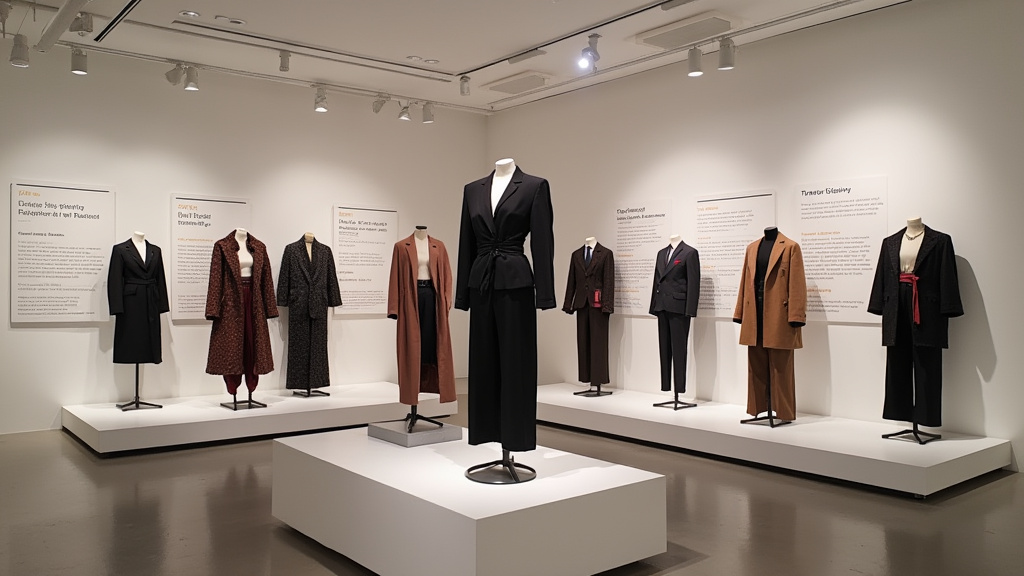
The Indra Gallery in London is set to host a groundbreaking exhibition, ‘Fashioning Identities,’ from October 2–4, 2026. This highly anticipated event bridges the gap between rigorous academic research and raw, creative practice, offering an exhaustive exploration of the pivotal, and often overlooked, role of Black women in defining the aesthetics of hip-hop, fashion, and contemporary art culture.
Key Highlights
- Exhibition Dates: The ‘Fashioning Identities’ event runs from October 2 through October 4, 2026, at the Indra Gallery in London.
- Core Mission: The exhibition aims to synthesize academic study with artistic expression to document the evolution of Black female influence.
- Interdisciplinary Scope: Displays will traverse the intersection of hip-hop aesthetics, high-fashion innovation, and visual art techniques.
- Cultural Significance: The event highlights how Black women have acted as the primary architects of modern cultural trends, moving beyond participation to institutional innovation.
The Architecture of Influence: Beyond the Runway
The ‘Fashioning Identities’ exhibition at the Indra Gallery arrives at a pivotal moment in cultural history. For decades, the contributions of Black women to the creative industries have been documented through an anecdotal lens—the style icon, the muse, or the breakout artist. However, this exhibition seeks to shift the paradigm by grounding these contributions in research-backed analysis. By curating a timeline that spans decades of stylistic evolution, the exhibit poses a fundamental question: How has the visual language of Black women become the universal dialect of global popular culture?
The Hip-Hop Visual Aesthetic
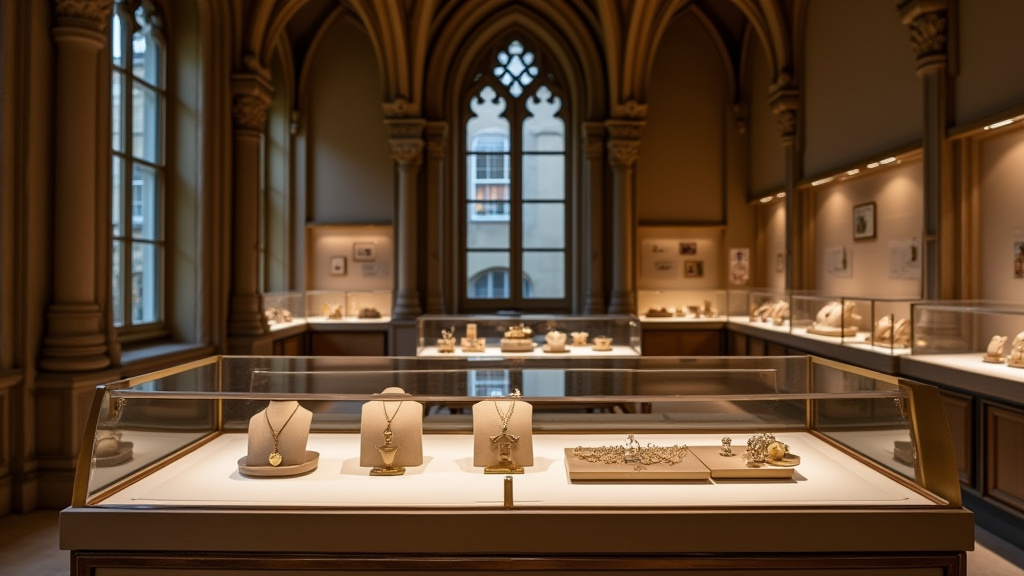
Central to the exhibition is the exploration of the ‘Hip-Hop Aesthetic.’ Often mistakenly categorized as merely a musical genre, the visual identity of hip-hop—from the bold use of logos in the 1980s to the maximalist luxury of the 2000s—is inextricably linked to the styling choices of Black women. The exhibit will highlight how these women utilized fashion as a form of non-verbal communication, transforming streetwear into a canvas for resistance and social commentary. Whether through the innovative use of bamboo earrings, logo-mania, or the structural reimagining of silhouettes, the exhibit argues that Black women did not just wear hip-hop fashion; they codified it.
The Intersection of Art and Academic Rigor
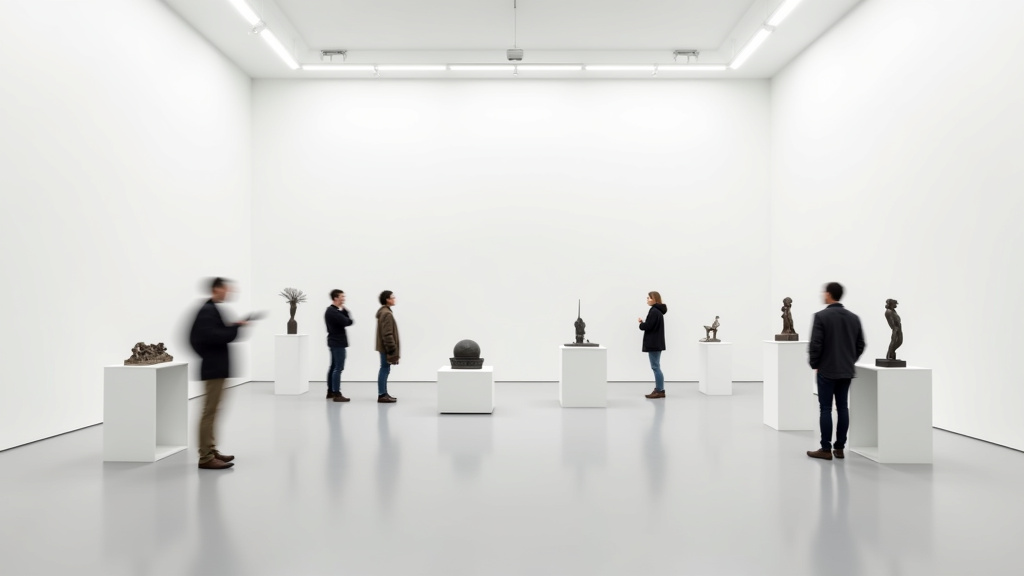
The inclusion of academic research alongside creative practice is a bold departure for the Indra Gallery. By inviting sociologists and cultural historians to annotate the visual displays, the exhibition elevates the conversation from ‘trend-watching’ to ‘cultural documentation.’ This approach provides context to the garments and art pieces on display, explaining the socio-economic factors that necessitated these creative breakthroughs. This is not merely an art show; it is a critical mapping of how identity is constructed through consumption and creation.
London as a Global Cultural Bridge
Hosting this event in London is significant. As a hub of global intersectionality, London has long served as a melting pot where diaspora aesthetics meet European haute couture. The ‘Fashioning Identities’ exhibition will showcase how this cross-pollination has created a unique, hybrid visual culture. The organizers have curated specific displays that contrast the New York ‘street’ influence with the London ‘high-concept’ approach, illustrating that the influence of Black women is not a monolith but a dynamic, evolving global force.
Secondary Angles: Future Implications
- Digital Curation: The exhibit explores the future of cultural preservation. With the rise of digital archives, how do we curate the ephemeral nature of fashion trends? The exhibition uses interactive technology to allow visitors to engage with ‘living’ archives that are constantly updated with new research.
- Economic Impact: By analyzing the commercial success of the styles showcased, the exhibition indirectly addresses the ‘creative tax’—the phenomenon where cultural capital is generated by Black communities but often monetized by larger, external corporate entities. This event pushes for a recognition of intellectual property in cultural style.
- Historical Revisionism: The exhibition serves as a form of restorative history. By bringing these narratives into a formal gallery setting, the Indra Gallery is legitimizing the study of Black female style as a rigorous academic pursuit, encouraging future scholars to engage with popular culture through a serious, critical lens.
FAQ: People Also Ask
Q: What is the main objective of the ‘Fashioning Identities’ exhibition?
A: The exhibition aims to bridge the gap between academic research and creative practice, celebrating the fundamental, often-unrecognized role of Black women in shaping modern hip-hop, fashion, and art.
Q: Where and when is the exhibition taking place?
A: The exhibition will be held at the Indra Gallery in London, running from October 2 to October 4, 2026.
Q: Is the exhibition suitable for academic research?
A: Yes. The exhibition explicitly incorporates academic research, making it a valuable resource for students, historians, and industry professionals interested in cultural studies, fashion theory, and art history.
Q: Does the exhibition focus solely on fashion?
A: No. While ‘fashion’ is in the title, the scope is interdisciplinary, covering the intersection of hip-hop music culture, visual art, and societal identity as constructed by Black women.