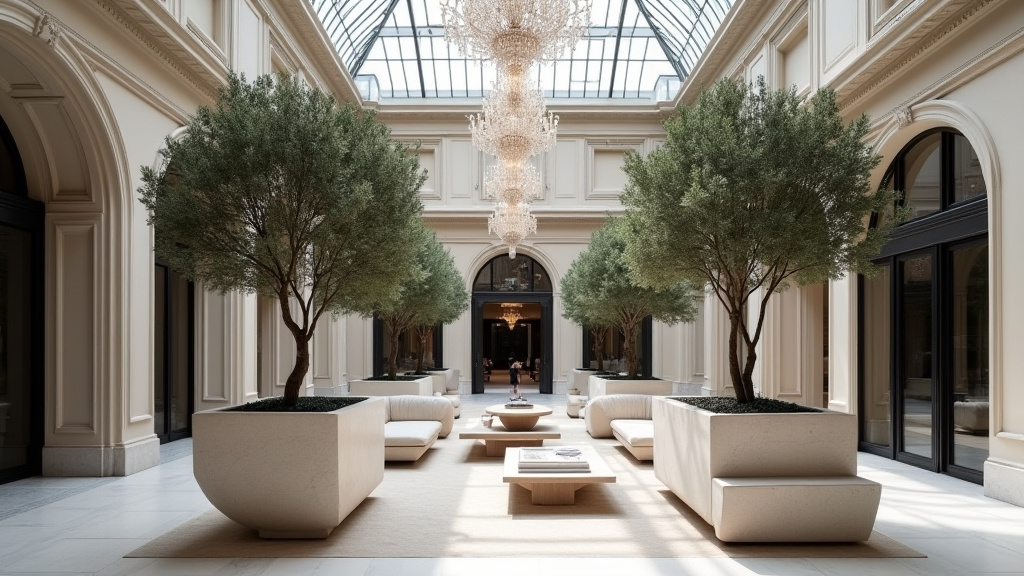
In the heart of Mayfair, RH London has redefined the concept of the retail showroom. Housed within a meticulously restored Grade II* listed mansion at 7 Burlington Gardens, this immersive destination is far more than a furniture store; it is a cultural anchor that blends high-end architectural preservation with a world-class culinary experience. By anchoring its presence in one of London’s most storied properties, RH (Restoration Hardware) has created a destination that functions simultaneously as a design gallery, an art installation, and a premier dining venue, setting a new benchmark for the future of experiential retail.
Key Highlights
Historic Landmark: The gallery is situated at 7 Burlington Gardens, a Grade II listed property, celebrating British architecture while housing contemporary luxury goods.
- Architectural Integration: The site features an expansive 17,000-square-foot footprint, blending original period features with modern, clean-lined, and minimalist interior design.
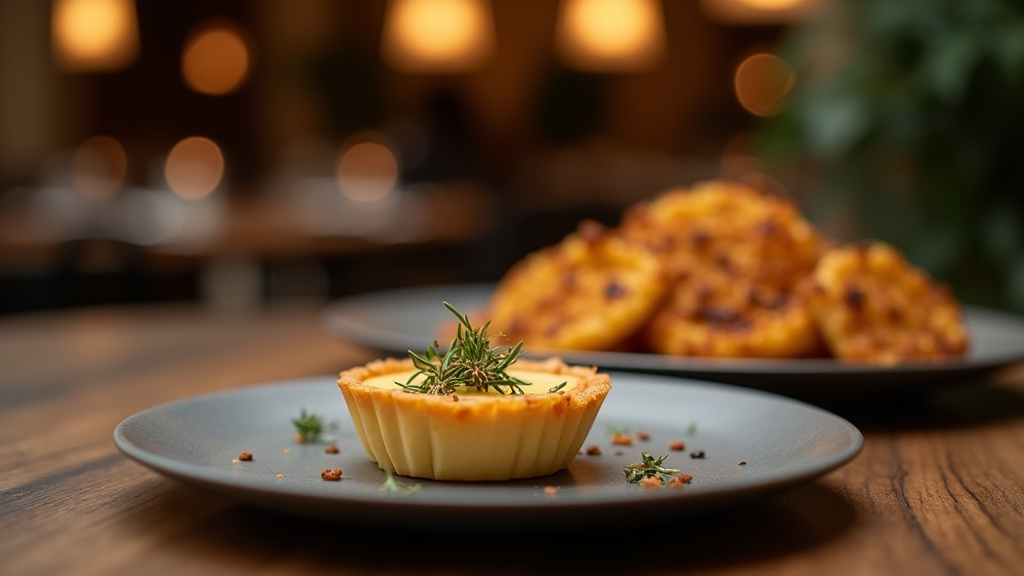
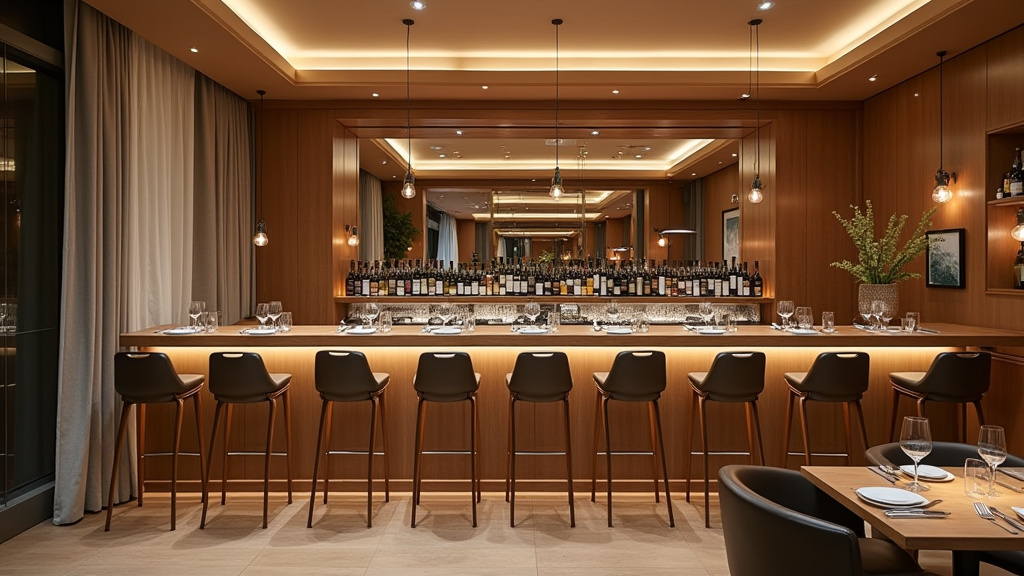
- Culinary Innovation: The Restaurant at RH London offers an all-day menu that emphasizes fresh, seasonal ingredients within an atrium filled with heritage olive trees and bespoke chandeliers.
- Strategic Positioning: The location serves as the centerpiece of the brand’s European expansion, signaling a pivot toward ‘lifestyle-led’ retail models.
The Evolution of Experiential Retail at 7 Burlington Gardens
The transformation of 7 Burlington Gardens into RH London is a masterclass in adaptive reuse. For decades, the mansion served various roles, including an auction house and a bank, but its current iteration under the guidance of RH CEO Gary Friedman is perhaps its most ambitious. The building is a Grade II* listed structure, a designation that requires the highest levels of preservation. Consequently, the renovation process was a delicate dance between maintaining the historic integrity of the 19th-century facade and introducing the modern, monochromatic aesthetic that defines the RH brand.
The Architecture of Immersion
Walking into the gallery, visitors are immediately struck by the scale. The central atrium, capped with a retractable glass roof, acts as the building’s lungs. It is not merely a place to display sofas or tables; it is an environment designed to elicit an emotional response. The use of natural light is intentional, creating a ‘living’ room effect that changes as the day progresses. The interior architecture relies on the heavy use of white plaster, natural stone, and polished metals, providing a stark, sophisticated contrast to the intricate masonry of the historic exterior. This juxtaposition is the core of the RH brand identity: ‘timeless’ meets ‘modern.’
Culinary Excellence as a Retail Anchor
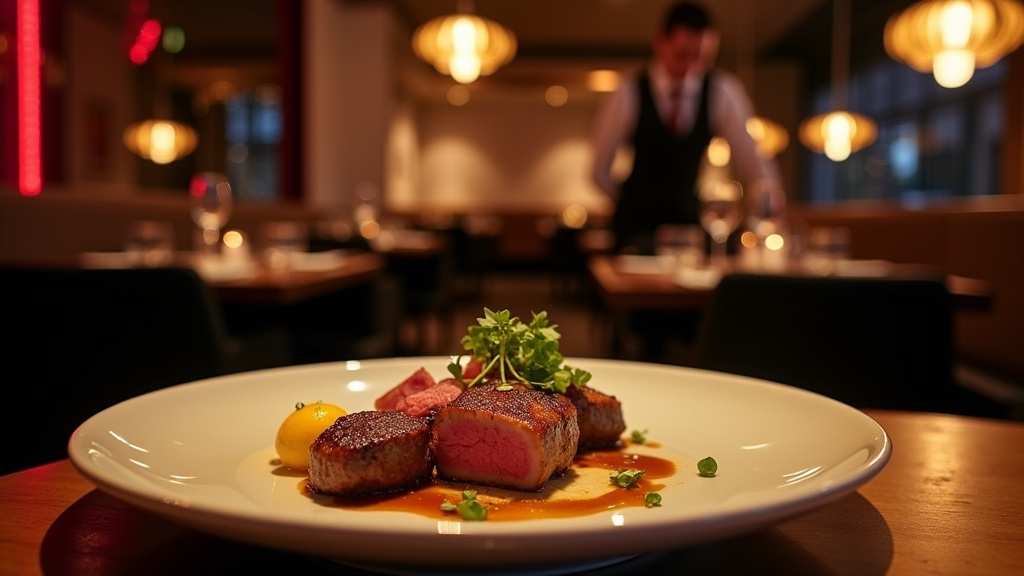
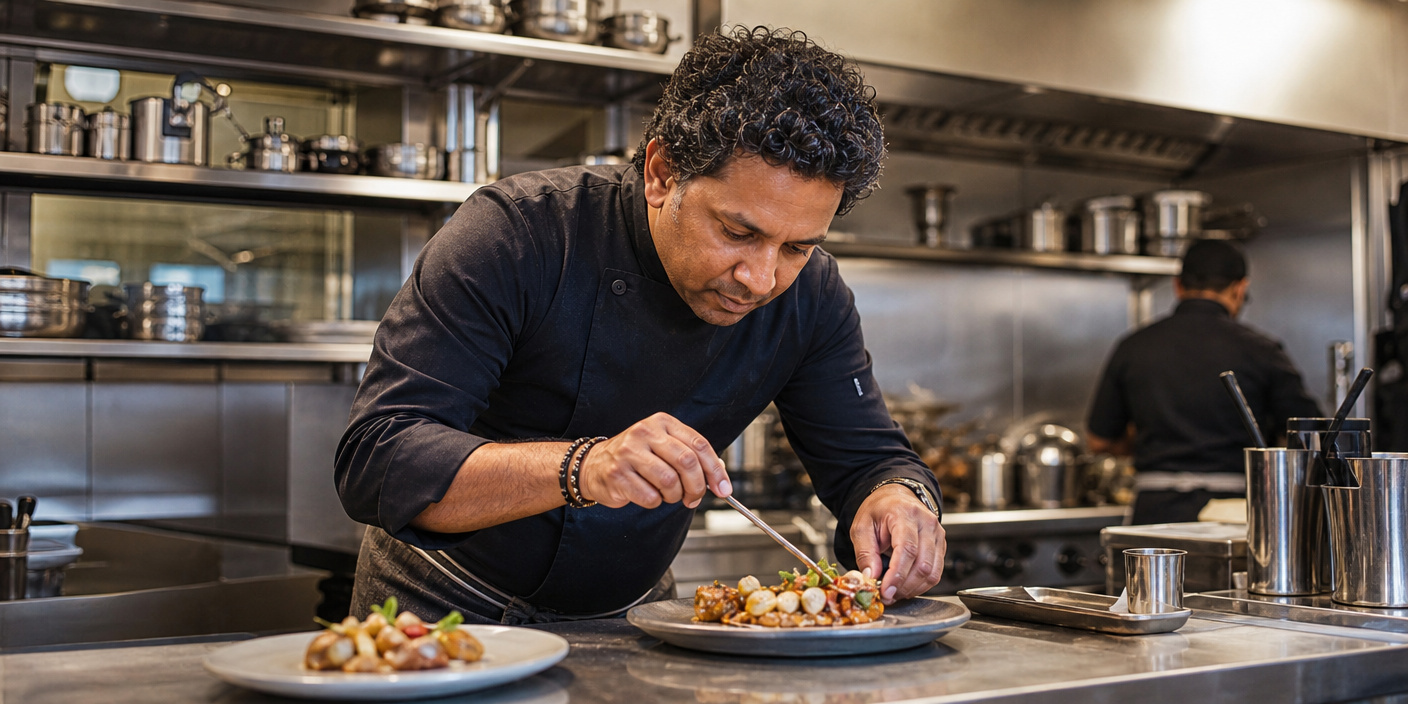
Perhaps the most compelling feature for the modern consumer is the restaurant integrated seamlessly into the design galleries. Unlike a traditional mall food court or a standalone café, the dining experience at RH London is woven into the retail flow. Patrons can dine under a canopy of heritage olive trees, surrounded by massive crystal chandeliers. This strategy is deliberate. By removing the friction between shopping and social interaction, RH increases the ‘dwell time’—the amount of time a customer spends in the store. The menu focuses on simplicity and quality: rotisserie chicken, charred ribeye, and seasonal salads, all sourced from high-quality, local suppliers to match the premium nature of the furniture.
The Economic Strategy Behind the Gallery
From a business perspective, the move to open such a high-profile location in Mayfair is calculated. In an era of digital dominance, physical retail must offer something the internet cannot: atmosphere. The economic impact of such a ‘Gallery’ concept is measured not just in sales-per-square-foot, but in brand equity. By positioning itself as a luxury lifestyle curator rather than a furniture merchant, RH justifies higher price points and establishes a ‘halo effect’ that supports their digital sales. This ‘retailtainment’ model is becoming the blueprint for luxury brands looking to survive in a post-digital landscape.
Historical Context and Mayfair’s Transformation
Mayfair has long been the epicenter of London’s luxury market, but the influx of large-scale, experiential concepts like RH signifies a shift. No longer are the boutiques of Bond Street and Burlington Gardens exclusively for fashion; they are becoming hubs for interior design and gastronomy. The preservation of the mansion at 7 Burlington Gardens ensures that the neighborhood’s architectural heritage remains relevant to a modern, international audience. It is a win-win for heritage preservationists and retail strategists alike, proving that historic buildings can be profitable, modern engines of commerce without losing their soul.
Future Outlook: The Global Lifestyle Brand
The success of the London gallery sets a precedent for RH’s global expansion. As the company looks toward other European cities, the formula established in Mayfair—historic restoration coupled with high-end dining—will likely be the template. The shift from selling furniture to selling a ‘lifestyle’ is complete. For the consumer, it means an elevated shopping experience that feels more like visiting a private club than a commercial establishment. For the industry, it is a wake-up call: the future of luxury retail is not just about the product, but the environment in which that product is experienced.
FAQ: People Also Ask
Q: Do I need a reservation to dine at RH London?
A: Due to the high popularity of the restaurant within the gallery, reservations are strongly recommended and often required for peak times, including weekends and lunch hours.
Q: Is the gallery open to the public without a dining reservation?
A: Yes, the retail galleries, featuring furniture, lighting, and textiles, are open to the public during standard business hours without a reservation.
Q: Does RH London maintain the historic features of the building?
A: Yes, as a Grade II* listed building, the exterior and key interior structural elements have been meticulously preserved, with the design team working in tandem with conservationists.
Q: What is the design philosophy of the space?
A: The space follows RH’s ‘Human-Centric’ design philosophy, focusing on creating calming, symmetrical, and minimalist environments that prioritize natural light and tactile materials.