The atmosphere at the London leg of the 2026 World Triathlon Championship Series (WTCS) was nothing short of electric, but the ripple effects are being felt far beyond the banks of the Thames. As the series moves into its penultimate phase, the results in London have transformed a previously predictable title race into a high-stakes tactical chess match. With only two rounds left in the season, the leaderboard has been reshaped, leaving both seasoned veterans and rising stars scrambling to adjust their strategies for the final push.
Key Highlights
- Leaderboard Disruption: The top-five rankings in both the men’s and women’s categories have seen significant turnover, effectively tightening the margin for error to near zero.
- The Two-Round Countdown: With the London event concluded, the series now enters a critical phase where every transition and split-second decision in the final two rounds carries double the weight.
- Tactical Realignment: Athletes are pivoting from endurance-focused strategies to high-intensity, speed-centric approaches following the specific demands of the London circuit.
The Anatomy of a Championship Shift
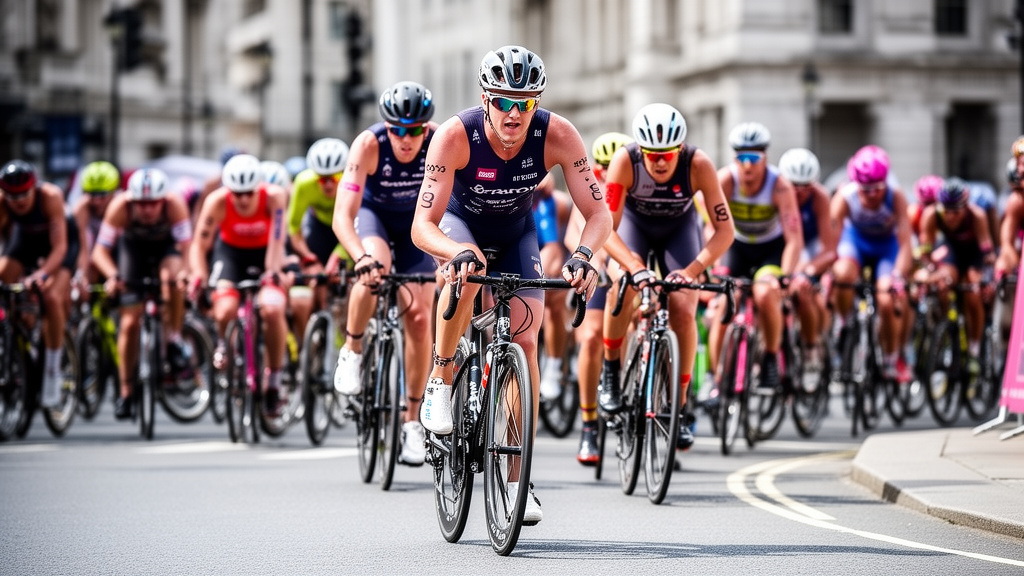
The London WTCS event has historically served as a bellwether for the season, but the 2026 iteration proved to be a definitive inflection point. The course, characterized by its technical turns and the infamous drafting-heavy cycling segments, forced a divergence in race strategies that ultimately punished consistency and rewarded explosive tactical capability.
Redefining the Men’s Podium
In the men’s field, the London result was an earthquake. Pre-race favorites, who had prioritized stability throughout the earlier European legs, found themselves outmaneuvered by a younger cohort that treated the London technical zones as their primary offensive weapon. The resulting shift has left the current World Triathlon rankings in flux. The point gap between the top three contenders has compressed to a margin that is statistically negligible, meaning the championship will likely be decided by a single bike rack maneuver or a sub-thirty-minute 10k finish in the upcoming rounds. For the frontrunners, the London fallout is a warning: the conservative race management that brought them to the top of the standings is no longer a viable defensive strategy.
The Women’s Field: A High-Pressure Environment
Conversely, the women’s race demonstrated an unprecedented level of aggression. The London course demanded near-perfect technical execution in the wet conditions, which separated the field early. The leading pack, which arrived in London with comfortable point leads, saw those buffers eroded by a dynamic shift in performance. We are seeing a distinct “performance fatigue” among the established leaders, while challengers who have peaked at the right time are capitalising on the volatility. The rankings now show a cluster of four athletes within striking distance of the overall title, setting up a final two-round showdown that promises to be the most competitive conclusion to a WTCS season in the last decade.
The Strategic Pivot: Science and Psychology
What makes the post-London landscape so fascinating is the shift in athletic psychology. Athletes are now forced to weigh the risk of high-speed maneuvers against the security of finishing in the points. With the World Triathlon (the governing body) having implemented stricter drafting and transition penalties this year, the margin for error has vanished.
We must also consider the “Economic of Effort”—a term gaining traction among team coaches. As the series heads into the final two rounds, the physical toll of the London race is becoming a massive factor. Teams that invested heavily in localized recovery and specialized nutrition immediately following the London event are likely to hold the edge. It is no longer just about who is the fastest; it is about who has the biological reserves to sustain high-output efforts under the immense pressure of a championship race.
Historical Context and The Olympic Shadow
It is impossible to discuss the WTCS without referencing the immense weight of the Olympic cycle. For many athletes, 2026 is a bridge year, but the prestige of the WTCS title remains the gold standard of short-course racing. London, having hosted iconic triathlons in the past, brings a legacy of pressure. The athletes currently navigating these rankings are fighting not just for points, but for long-term sponsorship valuation and national funding status. The “London Effect”—the psychological hurdle of competing on a course with deep historical significance—cannot be overstated. Those who conquered the London streets have effectively validated their potential for the 2028 cycle.
Future Predictions: The Road to the Grand Final
As we look ahead to the final two rounds, the dynamic has shifted from a marathon to a series of sprints. We expect to see more “team tactics” emerging, where national squads work in unison to protect their lead athletes or disrupt the rhythm of their rivals. Watch for the emergence of “specialist athletes”—those who excel in the specific climatic conditions expected in the final host cities. The smart money is on those who have shown the ability to pivot their strategy mid-race, a skill that was clearly on display during the chaotic turns of the London event.
FAQ: People Also Ask
Q: How many rounds are left in the 2026 WTCS season?
A: Following the London event, there are exactly two rounds remaining in the 2026 World Triathlon Championship Series season. These final events will determine the overall world champion.
Q: What makes the WTCS London course so difficult for rankings?
A: The London course is known for its highly technical, tight turns and the high-speed, drafting-heavy cycling segments. This environment favors aggressive riding and quick transitions, which often disrupts the established leaderboard order.
Q: How do the rankings work in the WTCS?
A: Points are awarded based on finishing positions in each WTCS event. The athletes with the highest cumulative points at the end of the series, including the Grand Final, are crowned the World Triathlon Champions. The recent London event provided a critical influx of points that closed the gap for several contenders.
Q: Can a non-ranked athlete still win the 2026 title?
A: While mathematically possible for athletes lower in the standings to gain significant ground, the top title race is effectively condensed to the top 5-6 athletes who have consistently scored high points throughout the season. However, spoilers in the final two rounds can significantly impact who ends up on the final podium.