Tensions escalated in central London yesterday as dozens of protesters were arrested outside Westminster Magistrates Court. The demonstration, organized in support of Palestine Action—a group recently proscribed under the UK government’s terrorism legislation—marked a significant flashpoint in the ongoing national debate regarding direct action, civil liberties, and the boundaries of protest.
The Scene at Westminster
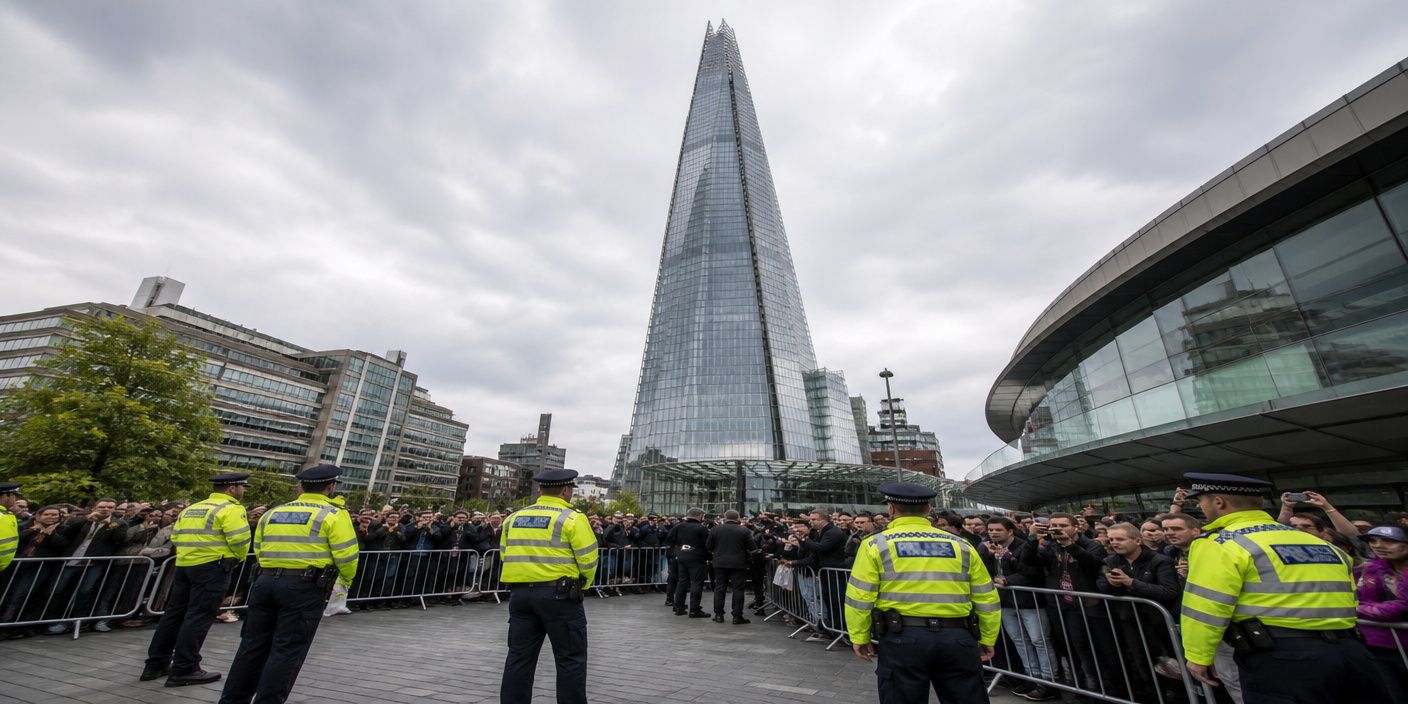
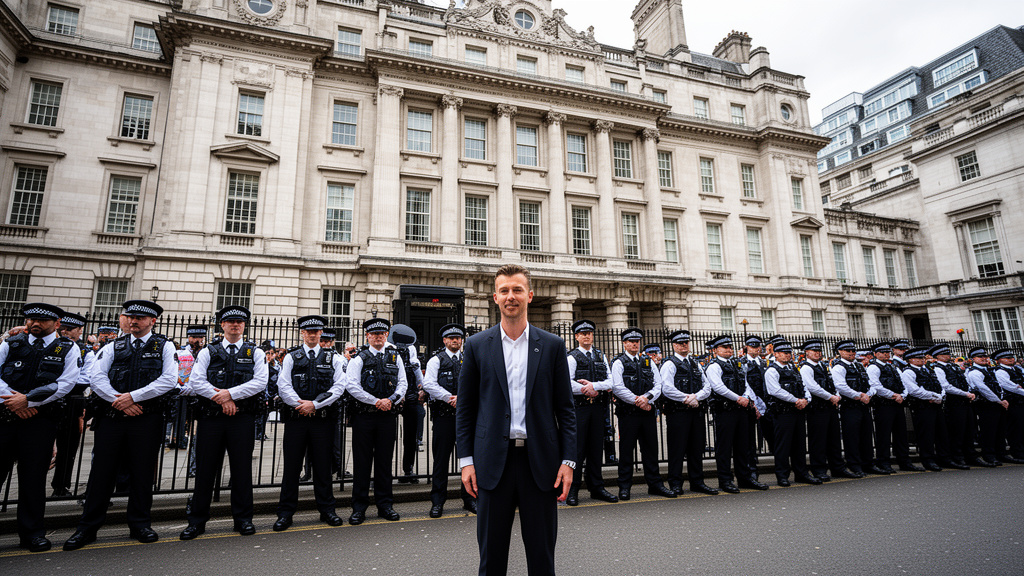
The Metropolitan Police, tasked with maintaining order in a high-traffic area of London, faced a volatile scene as crowds gathered to show solidarity with members of the group appearing in court. The protest, which began as a relatively contained gathering, quickly drew a heavy police presence as officers enforced strict public order measures. Law enforcement officials confirmed that dozens of arrests were made throughout the day, citing offenses ranging from public order violations to obstruction.
Witnesses on the ground described a chaotic atmosphere as police lines moved to contain the demonstration. The arrests occurred throughout the afternoon, with officers using containment tactics to manage the crowd. This event highlights the intensifying friction between activists engaged in direct action and the UK state, which has adopted a more aggressive stance toward such groups in recent months.
The Legal and Political Context of Palestine Action
Palestine Action has established itself through controversial direct-action methods, most notably targeting defense companies they accuse of complicity in international conflicts. By blockading factories and vandalizing corporate premises, the group has successfully forced the government’s hand, leading to increased scrutiny from the Home Office. The classification of the group as proscribed—essentially banning it under existing anti-terrorism laws—has fundamentally changed the legal landscape for its supporters.
For those arrested outside Westminster Magistrates Court, the stakes are significantly higher than they were a year ago. Demonstrating in support of a proscribed organization moves the legal goalposts. Supporters argue that their right to protest is being curtailed, while the government maintains that the group’s activities go beyond civil disobedience and threaten critical national infrastructure and corporate security.
The Evolution of Protest Tactics and State Response
The arrest of dozens of individuals at this specific location signifies a shift in how the state manages contentious political gatherings. Westminster Magistrates Court, often the site of high-profile legal battles, has become a frequent theater for these clashes. The police response reflects a broader “zero-tolerance” approach toward disruptive protests, characterized by increased use of stop-and-search powers and swift intervention to disperse crowds.
This trend poses critical questions about the future of political dissent in the UK. Are the current tactics sufficient to balance public order with the right to free speech, or are they inadvertently radicalizing the very activists they aim to deter? Legal analysts are watching these cases closely, particularly as more demonstrators are hauled before the courts, potentially creating a backlog of protest-related litigation that could clog the judicial system for months.
Secondary Angles: Examining the Broader Impact
1. The Legislative Chill: The decision to proscribe Palestine Action serves as a warning shot to other activist groups. This move forces a re-evaluation of how organizations mobilize, as the legal threshold for what constitutes “support” for a banned group remains somewhat ambiguous. Activists are now operating in a gray zone, where the act of showing up to a protest could inadvertently trigger severe legal consequences.
2. Policing Logistics and Costs: The financial and logistical burden on the Metropolitan Police to contain these recurring protests is mounting. With limited resources and a high volume of demonstrations across London, the sustained police response to Palestine Action events is straining departmental budgets and diverting officers from other essential policing duties. The “protest tax” on the city is becoming a matter of public interest.
3. The Transformation of Direct Action: Palestine Action represents a new wave of “maximalist” activism. Unlike traditional protest movements that rely on marches and slogans, this group’s strategy of physically interrupting supply chains for military hardware marks a departure from established norms. The courtroom battles currently unfolding will likely set legal precedents that dictate the viability of this style of activism for years to come.
As the legal process continues for those arrested, the public and the political establishment remain deeply divided. While some view the arrests as a necessary restoration of order, others see them as a disturbing erosion of democratic freedoms. What is clear is that the struggle over the legitimacy of Palestine Action’s methods is far from over, and the steps of Westminster Magistrates Court will likely remain a focal point of this tension.