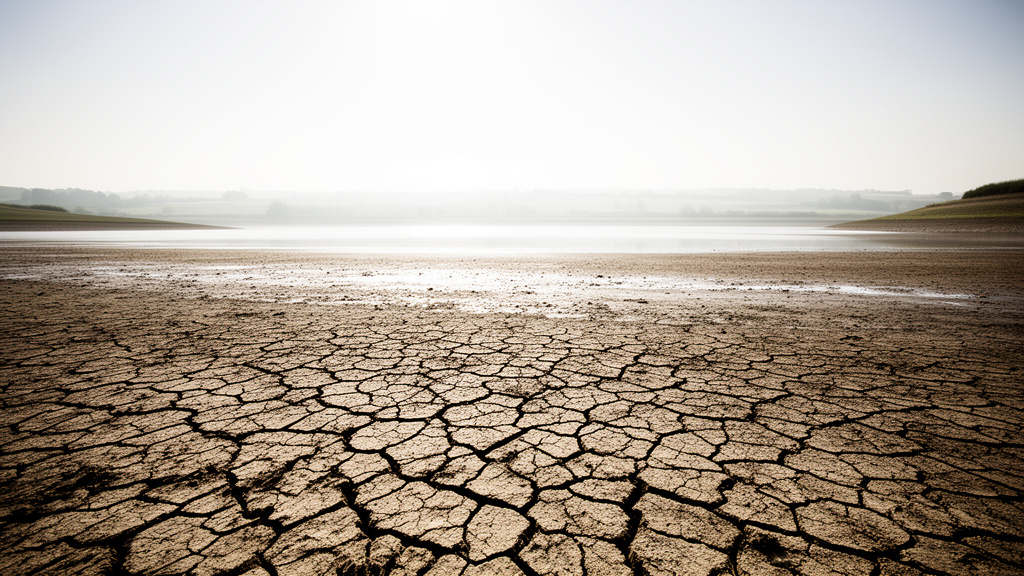
London and the wider South East are bracing for a fifth consecutive heatwave this summer, a climatic phenomenon that has pushed the region to a critical tipping point. With temperatures forecast to soar to 38°C, the situation has escalated beyond a mere weather event, forcing authorities to declare an official state of drought. The crisis has necessitated emergency action from regional utility provider Southern Water, which has formally applied for a rare drought order to strictly regulate non-essential water consumption as the nation struggles to cope with a record-hot summer.
Key Highlights
- Fifth Heatwave Event: The UK is experiencing an unprecedented series of heatwaves, with this latest surge marking the fifth major high-temperature event of the season.
- Critical Temperature Peak: Forecasters are monitoring temperatures expected to reach 38°C, posing significant health risks to vulnerable populations.
- Drought Declaration: A formal state of drought has been declared, reflecting the severe strain on local water resources and reservoirs.
- Utility Restrictions: Southern Water has moved to implement a drought order to restrict non-essential water usage, including bans on hosepipe use for domestic and commercial purposes.
A Nation Parched: The Socio-Economic Cost of the Summer Crisis
The recurrence of extreme temperatures has shifted from a seasonal anomaly to a sustained crisis. The Met Office has noted that while heatwaves are a natural part of the British summer, the frequency and intensity seen this year are significantly outpacing historical averages. For residents in the capital and the south of England, the current alert level is not merely an inconvenience but a serious public health and infrastructure challenge.
The Anatomy of the Drought Order
At the center of the current response is the application by Southern Water for a drought order. In the United Kingdom, such orders are legal instruments used when water companies need to go beyond their standard temporary use bans to protect public water supplies. This action signals that the situation has deteriorated past the point of voluntary conservation.
This specific legal maneuver allows the utility provider to restrict a broader range of activities. While standard hosepipe bans usually target domestic garden watering and car washing, a formal drought order can expand to limit the use of water for filling swimming pools, cleaning paths, and operating non-essential fountains. The objective is to preserve the integrity of the public water supply, which is currently being depleted at a rate that natural rainfall is failing to replenish.
The strain on the water table is compounded by the lack of precipitation over the previous months, creating a feedback loop where extreme heat leads to higher demand for water—for cooling and hygiene—at the precise moment when supply is most precarious.
Infrastructure and Grid Resilience
Beyond the water supply, the heat poses a systemic risk to the UK’s critical infrastructure. The Department for Environment, Food and Rural Affairs (Defra) and the UK Health Security Agency (UKHSA) have been coordinating closely to manage the fallout. Hospitals, transport networks, and the energy grid are all under heightened scrutiny.
Rail networks have implemented speed restrictions in certain areas to prevent tracks from buckling under the extreme heat, a recurring issue that disrupts the daily commute for millions. Meanwhile, the energy sector is managing fluctuating demand; while electricity usage spikes due to air conditioning and refrigeration, the heat can simultaneously reduce the efficiency of thermal power plants and renewable energy hardware.
Public Health and the Urban Heat Island Effect
London, specifically, faces the challenge of the ‘Urban Heat Island’ effect, where concrete and asphalt trap heat, causing city centers to remain significantly warmer than the surrounding countryside. With temperatures peaking at 38°C, the health risks for the elderly and those with respiratory conditions are severe. The NHS and local councils have activated emergency protocols, opening ‘cool spaces’ and intensifying outreach programs to check on the most vulnerable.
This summer has forced a national conversation regarding adaptation. Critics argue that the current infrastructure was designed for a temperate climate that no longer exists in the same capacity. The shift toward a hotter, drier summer pattern is compelling policymakers to reconsider long-term investments in water storage, resilient building materials, and city planning that integrates more green space to mitigate temperature spikes.
Agriculture and Environmental Impact
Farmers are also feeling the brunt of the crisis. The drought conditions are adversely affecting crop yields, particularly for wheat and other staples. Livestock farmers are facing increased costs for feed and water, as natural pasture has withered under the relentless sun. The environmental impact is equally concerning; dried-up riverbeds are threatening aquatic ecosystems, leading the Environment Agency to monitor water levels and fish welfare closely. The confluence of these factors—water scarcity, energy demand, and agricultural strain—suggests that the summer of 2022 will be viewed as a historical turning point for how the UK approaches climate resilience.
FAQ: People Also Ask
1. What is the difference between a hosepipe ban and a drought order?
A hosepipe ban is a temporary use ban initiated by water companies under existing legislation to manage demand. A drought order is a more severe, temporary legal measure granted by the government that allows water companies to implement broader restrictions, potentially including non-essential commercial water use, to safeguard the public supply.
2. Why is Southern Water seeking an order now?
Southern Water is seeking the order because voluntary conservation and initial temporary bans have not sufficiently reduced demand to keep pace with the depletion of water reserves caused by the lack of rainfall and the intensity of the heatwaves.
3. How long is this heatwave expected to last?
Forecasters typically predict heatwave durations by monitoring high-pressure systems. Current models suggest this period of extreme heat will persist for several days, but authorities are advising the public to remain prepared for intermittent high temperatures throughout the remainder of the summer season.
4. What should citizens do to conserve water?
Authorities recommend taking shorter showers, avoiding the use of hosepipes for any purpose, turning off taps while brushing teeth, and waiting until dishwashers or washing machines are full before running them. These small actions collectively reduce the stress on the distribution network.