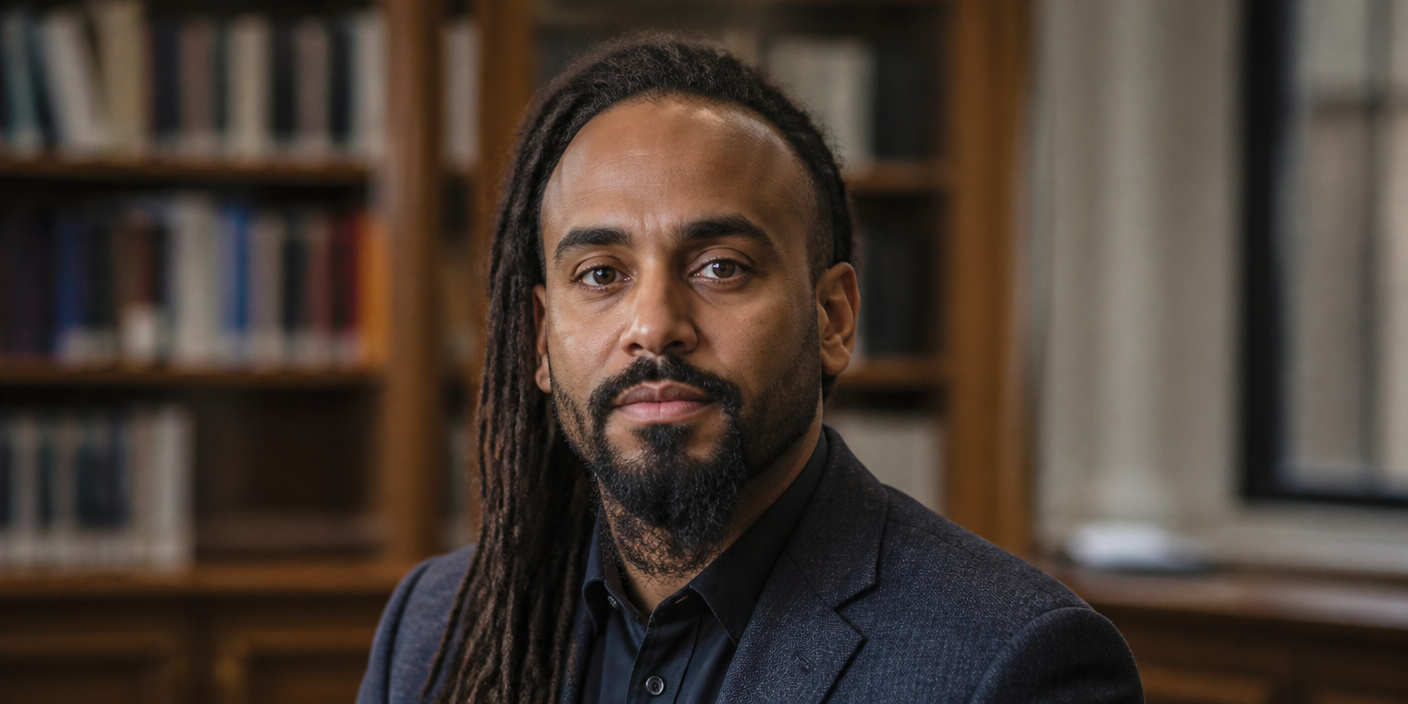
The academic world is reeling following the death of Jason Arday, the 41-year-old sociologist who made headlines as one of the youngest Black professors to be appointed at the University of Cambridge. His passing in his Battersea home on Friday marks a sudden and tragic conclusion to a career that had been defined by both rapid ascent and, more recently, intense public scrutiny. The news of his death comes just one week after his formal resignation from the prestigious university, a move that followed a cascade of allegations regarding plagiarism and academic misconduct that had dominated recent media cycles.
The Rise and Fall of a Sociological Voice
Jason Arday’s career was characterized by a meteoric rise within the British academic establishment. A sociologist by training, Arday focused his work on issues of race, education, and social inequality. His appointment to the University of Cambridge was widely celebrated as a milestone for diversity in elite UK institutions, representing a tangible, if contested, shift in the demographics of higher education. For many, his story was a beacon of what could be achieved through academic rigor and persistence. However, this narrative shifted drastically in recent weeks as internal and external investigations began to scrutinize the foundational integrity of his published research. The mounting allegations of plagiarism—specifically regarding the citation and synthesis of existing scholarly work—turned the spotlight away from his contributions to sociology and toward the mechanisms of academic accountability.
The Mechanics of Academic Integrity
At the heart of the controversy that defined Arday’s final days were serious questions regarding academic integrity. Plagiarism, particularly at the professorial level, is a career-ending infraction that strikes at the core of university credibility. The investigation into Arday’s work was not merely an administrative review; it was a systemic examination of his portfolio. Academic institutions rely on the premise that published knowledge is original and properly attributed. When this premise is challenged, the repercussions are swift and often unforgiving. Reports suggest that external auditors had been reviewing specific chapters and articles published by Arday, finding patterns of unacknowledged borrowing that could not be attributed to mere oversight. This scrutiny created a pressure cooker environment, ultimately culminating in his decision to resign his post just days before his death.
Institutional Accountability and Public Scrutiny
The University of Cambridge has been thrust into a difficult position. The institution now faces the dual challenge of addressing the academic misconduct allegations posthumously while navigating the public outcry surrounding the death of a high-profile faculty member. Questions are being raised about the vetting processes for senior appointments and whether the institutional desire for diversity and rapid, headline-grabbing appointments might have overshadowed the necessary, exhaustive due diligence required for such high-stakes roles. This tragedy highlights a broader crisis in modern academia: the tension between the push for rapid institutional transformation and the timeless requirement for painstaking, transparent, and rigorous academic audit trails. As the university moves forward, it will likely be forced to reassess its internal review structures to ensure that ‘fast-track’ academic success stories are built upon unimpeachable scholarship.
The Sociological Impact of the Scandal
Beyond the institution, the case of Jason Arday poses difficult questions for the field of sociology. When a scholar who championed social justice and the dismantling of exclusionary systems is himself accused of violating the core ethics of knowledge production, it creates a crisis of confidence. Observers note that the controversy has provided critics with ammunition to undermine the validity of sociological research into race and equity. The challenge for the academic community now is to separate the man from the methodology—to condemn the alleged misconduct while continuing to support the vital, necessary work of ensuring diversity and inclusion in higher education. The loss of Arday is, in every sense, a complex tragedy, leaving behind a legacy that is now permanently shadowed by the circumstances of his departure.
FAQ: People Also Ask
What was the specific nature of the plagiarism claims against Jason Arday?
Allegations focused on the failure to properly credit original sources in several of his published sociological articles and chapters. Auditors identified patterns of significant text reproduction without appropriate citation, which violates standard academic integrity protocols.
What was the timeline leading up to his death?
Arday faced increasing pressure from academic reviewers over the course of several months. The situation reached a breaking point last week with his official resignation from the University of Cambridge, followed by his death on Friday in his Battersea home.
How does the University of Cambridge respond to academic misconduct?
Cambridge maintains strict academic conduct policies. While they generally keep specific investigations private until a conclusion is reached, the resignation effectively ended their internal proceedings, though inquiries into his body of work may continue to ensure the integrity of the university’s publications.
Will there be an official inquiry into his death?
As is standard procedure for a death in a private residence following a period of high-stress public scrutiny, local authorities in Battersea are conducting a coroner’s investigation to determine the formal cause of death.