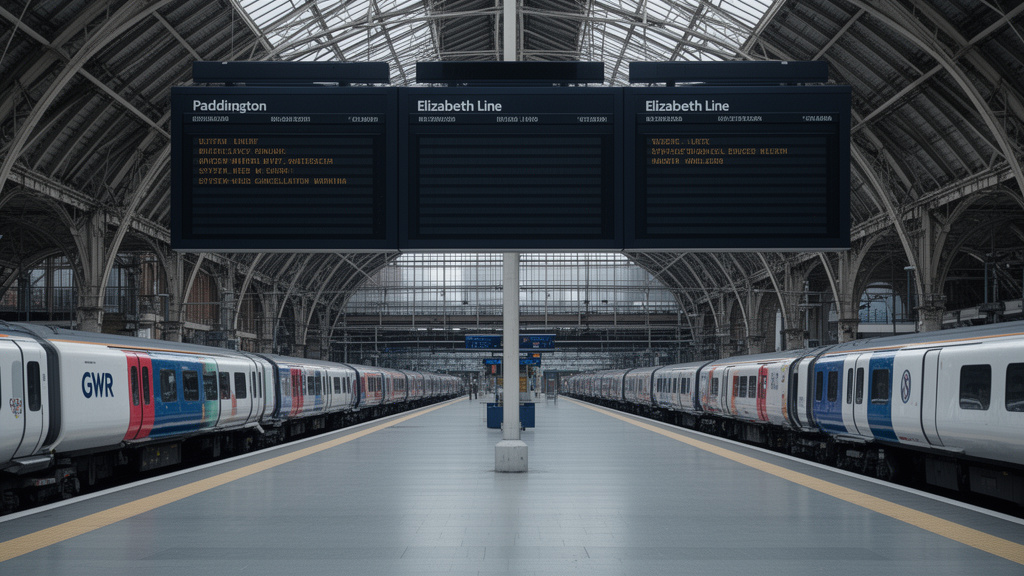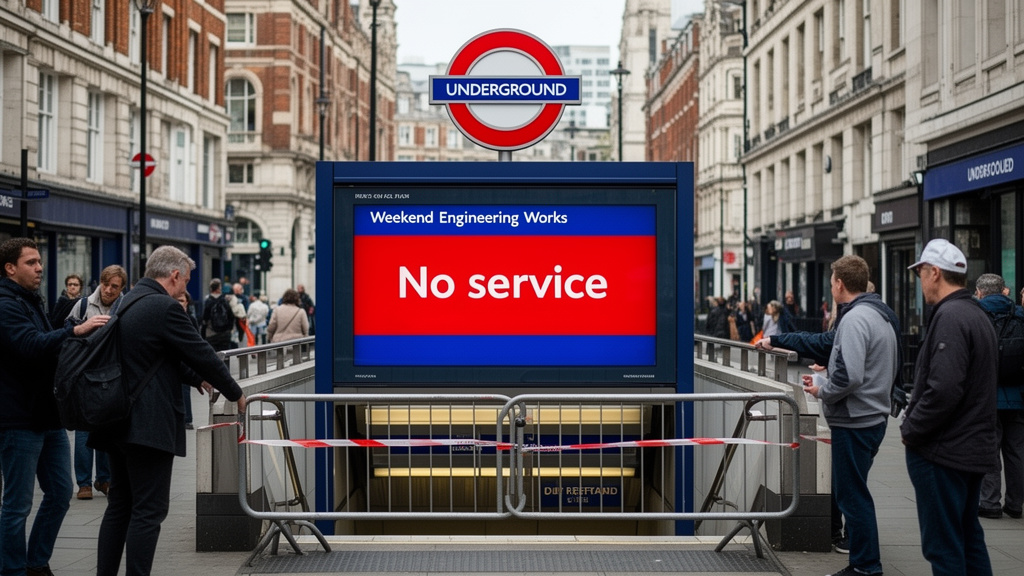
Transport for London (TfL) has issued a critical service update regarding weekend engineering works scheduled for September 12-13, 2026. Commuters and visitors navigating the capital should prepare for substantial disruptions across three major rail arteries: the Circle, District, and the newly integrated Suffragette line. These closures are essential for the ongoing modernization of the city’s signaling infrastructure, but they will inevitably impact travel time for thousands of passengers throughout the central and suburban zones.
Key Highlights
- Primary Disruptions: Full service suspension on the Circle and District lines across central segments.
- Suffragette Line Impact: Significant engineering works on the Suffragette line, with reduced service frequency and partial closures.
- Essential Travel: Commuters are advised to utilize London Buses and the London Overground as primary alternatives.
- Duration: The closures are effective from the start of service on Saturday, September 12, through the conclusion of service on Sunday, September 13, 2026.
Engineering the Future: The Infrastructure Necessity
The upcoming service suspension scheduled for September 12-13, 2026, is not an isolated event but rather part of a broader, capital-intensive strategy to overhaul London’s aging rail network. Transport for London has long prioritized the implementation of automated signaling technology to increase capacity and reduce the frequency of unplanned technical failures.
Why These Specific Lines?
The Circle and District lines share significant infrastructure, particularly through the core central London tunnels. The decision to execute maintenance simultaneously on these lines—and to include the Suffragette line—is a strategic move intended to minimize the duration of overall disruption. By synchronizing the work, TfL aims to expedite the installation of digital signaling equipment that would otherwise require fragmented, week-long closures throughout the fiscal year.
The Suffragette Line Integration
For many, the inclusion of the Suffragette line in this weekend’s closure schedule serves as a reminder of the line’s ongoing integration into the wider TfL ecosystem. As a relatively new and high-capacity artery, the Suffragette line requires specific, high-precision engineering protocols that differ significantly from the legacy Victorian-era tunnels of the Circle and District lines. This weekend’s works focus specifically on the junction points where these lines intersect, making physical access to these hubs impossible for the 48-hour window.
Economic and Social Ripple Effects
Beyond the logistical headache for the individual commuter, the suspension of major rail arteries carries broader implications for central London’s economy. Weekend footfall is a critical metric for retail and hospitality sectors in zones 1 and 2. Historical data from similar major closures suggests a noticeable cooling effect on spontaneous retail activity within a half-mile radius of affected stations.
Supporting Local Commerce During Closures
While the primary focus of these warnings is transit efficiency, local business associations often advocate for ‘bus-bridge’ efficiency, ensuring that foot traffic is redirected toward high-street corridors rather than away from them. Commuters are encouraged to check local signage at station entrances, as TfL staff will be stationed at key hubs to assist with wayfinding and alternative transit suggestions.
The Future of TfL Scheduling
Looking toward 2027 and beyond, TfL’s reliance on these weekend-long ‘blackouts’ is projected to decrease as signaling implementation matures. Once the current phase of digital signaling is complete, the requirement for complete shutdowns is expected to drop by approximately 15%, shifting the maintenance burden toward overnight and off-peak scheduling. For now, however, the September 12-13 weekend remains a critical milestone in this transition.
Navigating the Disruptions: A Commuter’s Guide
To mitigate the impact of the Circle, District, and Suffragette line closures, passengers should employ a ‘multi-modal’ approach to their weekend travel.
1. London Buses: TfL will increase the frequency of bus routes that mirror the paths of the affected Tube lines. While slower, they provide the most consistent coverage.
2. Walking Distances: In central London, particularly between major tourist hubs, walking is often faster than waiting for rail replacement buses. Apps like Citymapper or the official TfL Go application should be calibrated for ‘walking-first’ options.
3. London Overground & DLR: These services will operate at normal capacity and should be considered the primary alternatives for cross-town travel.
FAQ: People Also Ask
Will my Oyster or Contactless fare be affected by the closures?
Standard TfL fare policies apply. If you must use a rail replacement bus service, it is integrated into the standard fare structure. You will not be charged extra for the additional transfer, provided you use the same payment method (Oyster or Contactless) throughout your journey.
Are there any other lines affected by the September 12-13 closures?
While the Circle, District, and Suffragette lines are the most severely impacted, minor speed restrictions may be in place on adjacent lines due to the knock-on effect of depot scheduling. Always check the ‘Status Updates’ section of the TfL website 24 hours prior to your journey.
How can I get a refund if I purchased a ticket in advance?
If you purchased a specific paper ticket for a journey that has been canceled due to these engineering works, you are entitled to a refund. Submit your claim via the TfL website or visit a manned station booth before your travel date to verify your eligibility for travel credit or reimbursement.