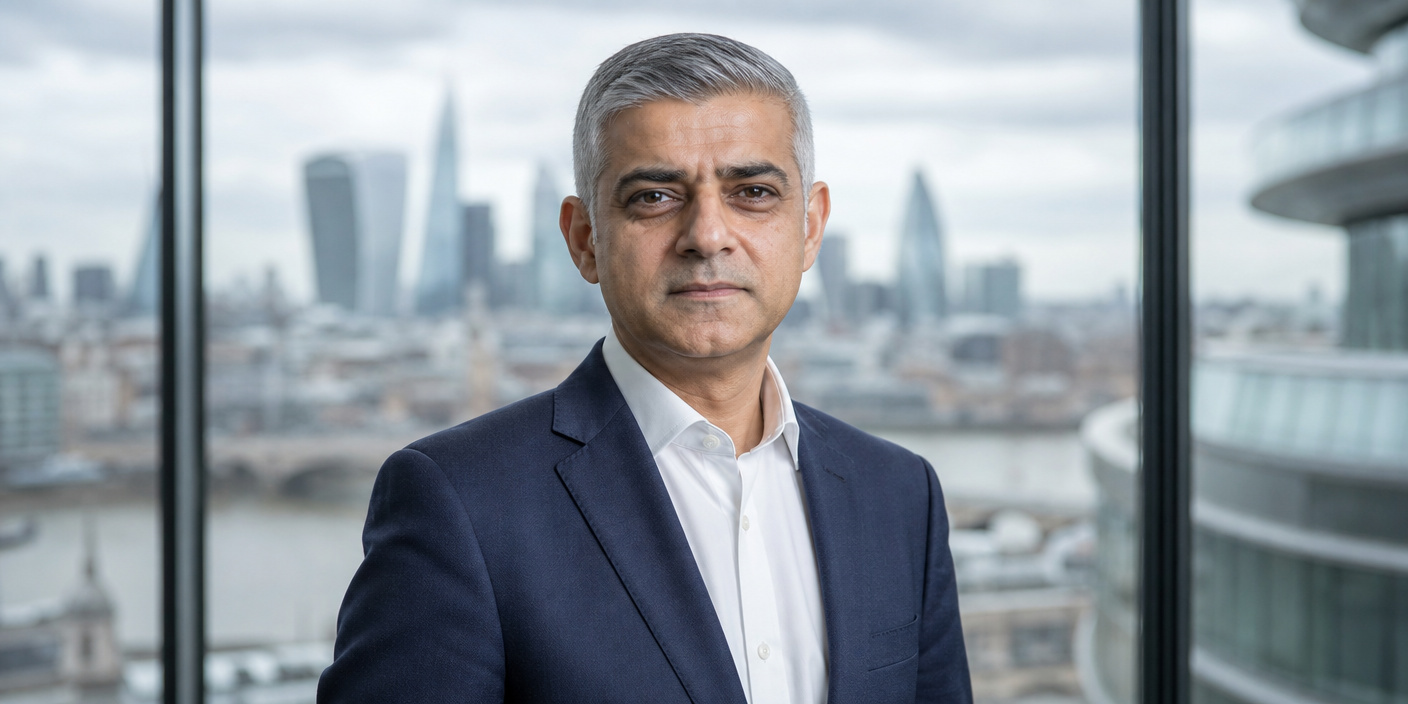
London’s Jewish communal leadership has expressed increasing frustration with Mayor Sadiq Khan, alleging a significant failure in direct engagement during a period defined by record-high antisemitic hate crimes and heightened anxiety across the city. As the capital navigates the complex fallout of the conflict in the Middle East, the relationship between City Hall and prominent Jewish representative bodies has reached a pivotal point of contention, with leaders arguing that the Mayor’s office has been insufficiently accessible to those tasked with protecting and representing the community.
The Data Behind the Rift: Record Hate Crime Statistics
The criticism against Mayor Khan is inextricably linked to the alarming rise in antisemitism recorded by the Community Security Trust (CST). In 2023, the CST documented a staggering 4,103 antisemitic incidents across the United Kingdom, marking the highest annual total since the organization began recording data in 1984. A substantial proportion of these incidents were concentrated in London.
Jewish leaders argue that these numbers represent more than just statistics; they symbolize a fundamental shift in the daily reality for Jewish Londoners. Despite this dramatic surge, critics claim that the Mayor’s office has failed to convene sufficiently high-level, recurring dialogues with community leadership to address these specific security concerns. The frustration is compounded by the perception that, while political statements are issued, the substantive ‘on-the-ground’ consultation—often facilitated through the Mayor’s Office for Policing and Crime (MOPAC)—has been inconsistent.
The Role of MOPAC and Operational Policing
At the center of this debate is the Mayor’s Office for Policing and Crime (MOPAC), the body responsible for overseeing the Metropolitan Police Service (MPS) and setting the police and crime plan for London. Critics point to the strategic decisions made by the Met regarding the handling of large-scale protests, particularly those organized in the wake of the October 7th Hamas attacks, as a failure of leadership.
While the Metropolitan Police operate independently regarding operational tactics, the Mayor holds a critical mandate in setting the strategic direction for policing in London. Jewish leaders have questioned whether the Mayor has exerted enough influence to ensure that the police strategy balances the right to protest with the duty to prevent public disorder and hate crime. The recurring scenes of disruptive marches in central London have fueled a sense among the Jewish community that their security concerns have been subordinated to the Mayor’s desire to maintain a broad political coalition, a claim that City Hall officials have vehemently denied.
Accountability and the Expectations of Office
The expectation from communal leadership, such as the Board of Deputies of British Jews and the CST, is that the Mayor should act as a visible, consistent arbiter of community cohesion. This role necessitates more than just condemning hate crime on social media platforms; it requires direct, unmediated communication with community elders and safety advocates.
Some advocates argue that the lack of direct, proactive engagement allows a vacuum to form, which is subsequently filled by suspicion and feelings of isolation. When communal leaders feel they must resort to public criticism to gain the Mayor’s attention, it highlights a breakdown in the institutional infrastructure that is supposed to connect City Hall to London’s diverse religious and ethnic groups.
The Political and Social Implications
This tension highlights a significant challenge for the Mayor in an election year and beyond: maintaining the trust of all of London’s communities while managing high-stakes civil unrest. The accusation that Mayor Khan has been aloof in his engagement with Jewish leaders carries political weight, as it challenges his image as a leader for ‘all of London.’ If the perception persists that the Jewish community is being treated as a secondary priority, it could lead to long-term alienation from local government structures. For the Mayor, the path forward likely requires a fundamental reset in how his office engages with these key stakeholders—moving from transactional communication to a more robust, consultative framework that addresses the specific, localized fears of the Jewish community.
FAQ: People Also Ask
What has the CST reported regarding antisemitism in London?
The Community Security Trust (CST) reported 4,103 antisemitic incidents nationwide in 2023, a record high. A significant portion of these took place in London, creating a climate of fear that has directly informed the criticisms leveled at the Mayor.
What is the specific role of the Mayor in this context?
Through MOPAC (Mayor’s Office for Policing and Crime), the Mayor is responsible for setting the strategic direction for the Metropolitan Police. While he does not direct daily operational police decisions, he is responsible for the overall police and crime plan and the accountability of the Commissioner.
How has the Mayor’s office responded to these claims?
The Mayor’s office generally maintains that it works closely with all faith communities, including the Jewish community, through various standing forums and direct outreach. However, critics argue these channels are insufficient and lack the direct, senior-level attention required given the current security environment.
Why are Jewish leaders criticizing the Mayor specifically?
The criticism is primarily based on a perceived lack of meaningful, direct engagement with senior communal leadership during the most turbulent periods of the past year. Leaders feel their concerns regarding the safety of the Jewish community, particularly in relation to public demonstrations, have not been sufficiently addressed at the highest levels of local government.