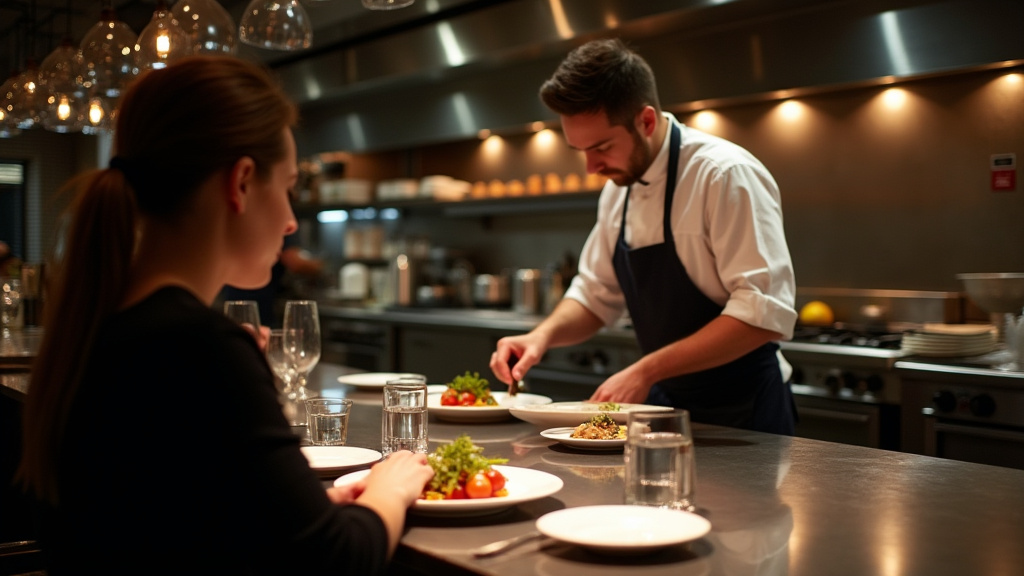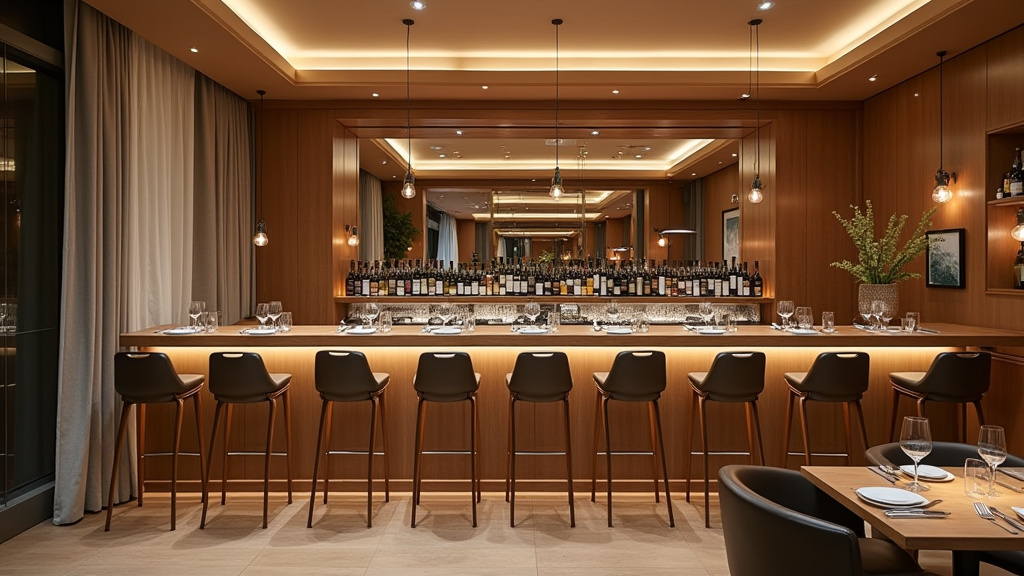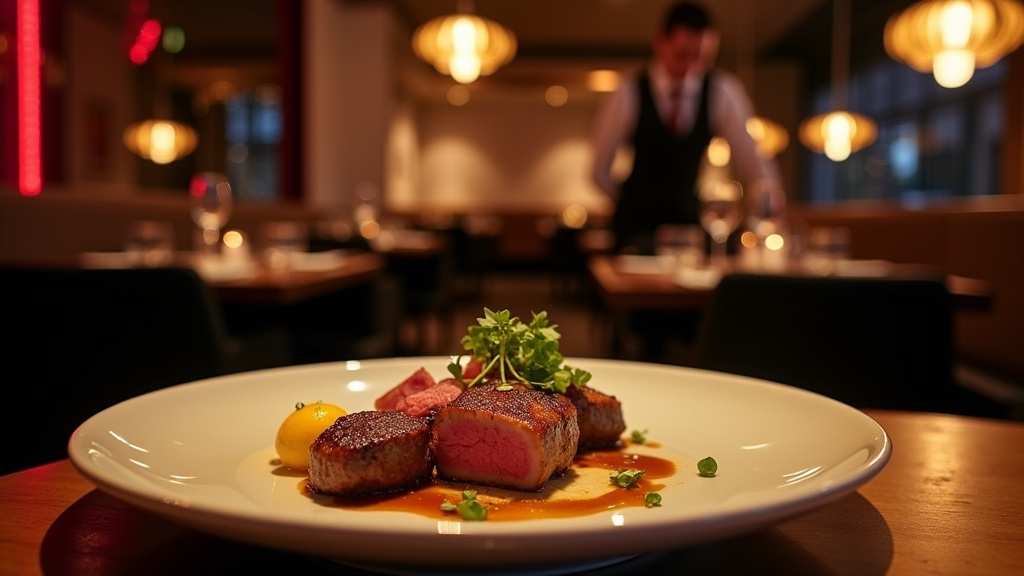
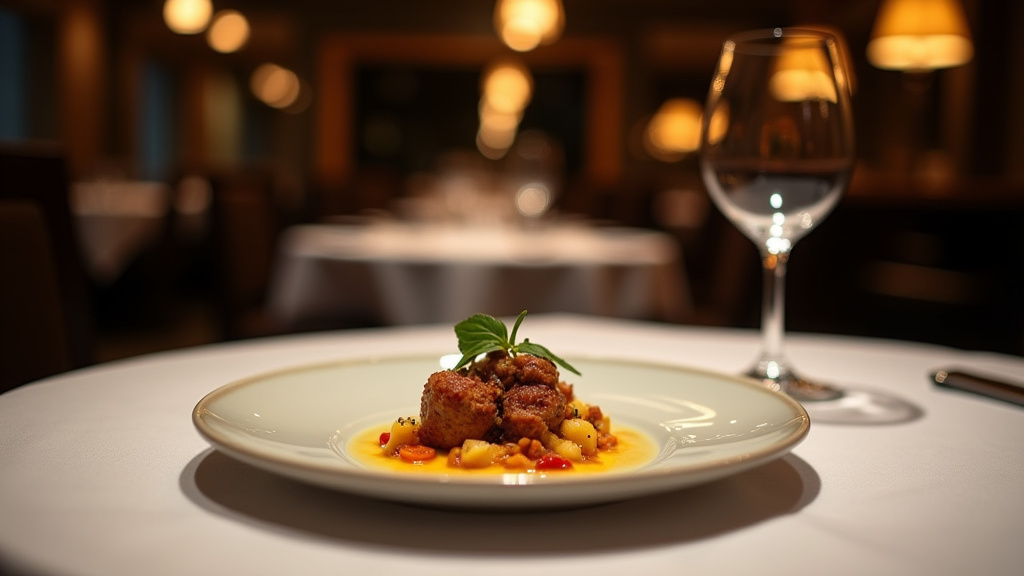
The culinary landscape of the United Kingdom’s capital has been dramatically reshaped this September as the Michelin Guide officially unveiled seven new additions to its esteemed London directory. This latest update, announced in September 2026, serves as both a testament to the enduring prestige of legacy establishments and a strong indicator of where the city’s gastronomic future lies. Among the notable inclusions is the historic Simpson’s in the Strand, which returns to the spotlight, alongside a clustered emergence of high-end culinary concepts firmly rooted in the affluent Mayfair district.
Key Highlights
- Seven New Additions: The Michelin Guide has expanded its London selection by seven unique establishments this month.
- The Simpson’s Return: The legendary Simpson’s in the Strand, a historic London staple, has secured its place in this latest update.
- Mayfair Dominance: A significant concentration of these new entries is located within the Mayfair district, signaling a continued trend of high-end, luxury-focused dining in the area.
- Diverse Gastronomy: The additions reflect a mix of historic preservation and modern innovation, cementing London’s status as a global food capital.
The New Guard: A Culinary Evolution in London
The announcement of seven new additions to the Michelin Guide for London in September 2026 is more than a mere update; it is a pulse check on the city’s hospitality industry. In an era where rising operational costs and shifting consumer habits have challenged many restaurateurs, these seven venues have demonstrated the consistency, quality, and creative vision required to catch the eye of Michelin’s notoriously stringent inspectors. This cycle of additions is particularly notable for its geographic focus. By concentrating a significant portion of these new entries in the Mayfair district, the guide is reinforcing the neighborhood’s reputation as the epicenter of London’s luxury dining scene.
For the industry, these inclusions act as a massive economic catalyst. A mention in the Michelin Guide is the gold standard for global gastronomy, often serving as a primary driver for both domestic and international tourism. When a restaurant is recognized—or in the case of historic venues, re-recognized—it immediately elevates the profile of the area. The seven additions announced this month are a clear indicator that despite the competitive landscape, there remains a insatiable appetite for refined, high-service, and exceptionally executed cuisine.
Simpson’s in the Strand: A Legacy Reclaimed
Perhaps the most talked-about addition is the inclusion of Simpson’s in the Strand. With a history stretching back to 1828, Simpson’s has long been regarded as a monument to classic British dining. Located on the Strand, the restaurant has weathered wars, economic downturns, and the shifting fashions of the London palate. Its inclusion in the September 2026 list is a powerful narrative of resilience and restoration. The restaurant has undergone meticulous efforts to balance its heritage—famous for its traditional roast beef trolleys and grand, wood-paneled interiors—with the modern expectations of a contemporary Michelin-rated kitchen.
This addition highlights a fascinating aspect of the Michelin methodology: the appreciation of longevity. While the guide is often associated with spotting the next big thing, it also functions as a custodian of culinary history. By acknowledging Simpson’s, the inspectors are signaling that a classic establishment, when maintained to the highest standards of quality and service, remains as relevant today as it was in the 19th century. This inclusion will likely reignite interest from a new generation of diners who may have previously overlooked the venue in favor of trendier, ephemeral pop-up dining concepts.
The Mayfair Effect: Why Luxury Remains King
Beyond the historic halls of the Strand, the September update highlights a profound concentration of excellence within Mayfair. The district has long been a bastion of wealth, but these new additions suggest that Mayfair is actively evolving its culinary identity. The restaurants chosen here are not just high-priced; they are high-concept. They represent a blend of international culinary techniques executed with British ingredients, reflecting the globalized nature of London’s elite dining scene.
The Mayfair cluster is characterized by meticulous attention to detail—from the sourcing of rare produce to the highly choreographed service styles. For the Michelin Guide, these additions validate the investment pouring into the area. In a post-2025 economic climate, these restaurants are successfully catering to a clientele that demands not only a meal but an experience. The inspectors have identified a pattern of innovation in this district that is pushing boundaries, proving that even in a saturated market, there is still room for culinary advancement.
The Anatomy of an Inspection
How does a restaurant make the cut in a month as competitive as September? While the Michelin Guide famously guards its criteria, the inclusion of these seven venues provides clues into the process. The focus appears to be threefold: consistency of the product, the harmony of flavors, and the mastery of technique.
Unlike restaurant reviews found on social media or casual blogs, which often focus on the aesthetic ‘vibe’ of a space, Michelin inspectors are hyper-focused on the plate. They are looking for a standard that can be reproduced from the first table to the last, day in and day out. For the restaurants added this month, this represents a massive operational triumph. It is one thing to serve a perfect meal; it is another to build an infrastructure that ensures that perfection is the baseline expectation for every single guest. This consistency is the true hallmark of these new additions, setting them apart from the myriad of other venues in London that struggle with fluctuations in quality.
FAQ: People Also Ask
1. What defines a restaurant as a ‘new addition’ to the Michelin Guide?
A ‘new addition’ refers to a restaurant that has been newly inspected and found to meet the high standards required for inclusion in the Guide. This does not automatically confer a Star, Bib Gourmand, or Green Star, but it is the first step toward potential future recognition. It signifies that the restaurant is now officially on the Michelin radar.
2. Why does Mayfair seem to get more Michelin attention than other London districts?
Mayfair has the highest concentration of high-end, luxury-focused establishments in London. The district is a hub for international business and high-net-worth individuals, which naturally supports the significant investment required to operate at a Michelin level. The concentration of talent and high-quality produce suppliers in the area creates a fertile environment for top-tier culinary concepts.
3. Will Simpson’s in the Strand receive a Michelin Star in the future?
The inclusion of Simpson’s in the Guide as a recommended restaurant is a significant accolade in itself. While only the Michelin inspectors know the secret metrics for Star attainment, the inclusion suggests the restaurant has reached a level of quality that warrants ongoing evaluation. Whether they achieve a Star will depend on their ability to maintain these high standards over subsequent inspections.