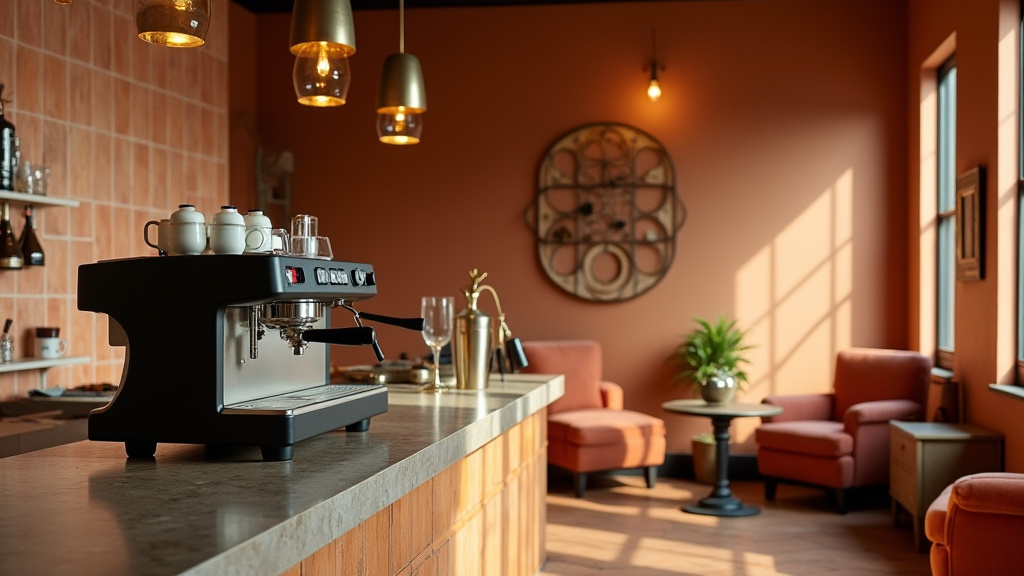
The London culinary landscape shifted on July 27, 2026, as Istanbul’s esteemed Cup of Joy officially opened its doors in Marylebone, bringing its heralded specialty coffee culture and Aegean-inspired menu to the UK for the first time. The arrival of the brand marks a significant moment for London’s hyper-competitive specialty coffee scene, offering a distinct departure from the Scandinavian and Australian-influenced cafes that have long dominated the capital’s high streets.
Key Highlights
- Official Opening: The Marylebone flagship location welcomed its first guests on July 27, 2026.
- Concept Integration: The venue combines third-wave coffee brewing techniques with a traditional, seasonal Aegean-inspired culinary menu.
- Strategic Location: Located in the heart of Marylebone, the space aims to serve both the neighborhood’s residential elite and the growing demographic of destination coffee tourists.
The Aegean Influence on London’s Morning Ritual
The arrival of Cup of Joy in Marylebone is more than just another cafe opening; it is a calculated cultural import. For years, the ‘Third Wave’ coffee movement in London—characterized by lighter roasts, direct trade relationships, and precise extraction methods—has been dominated by aesthetic minimalism and focus on acidity. Cup of Joy disrupts this narrative by introducing the bold, deep, and nuanced profile of Aegean-influenced coffee culture.
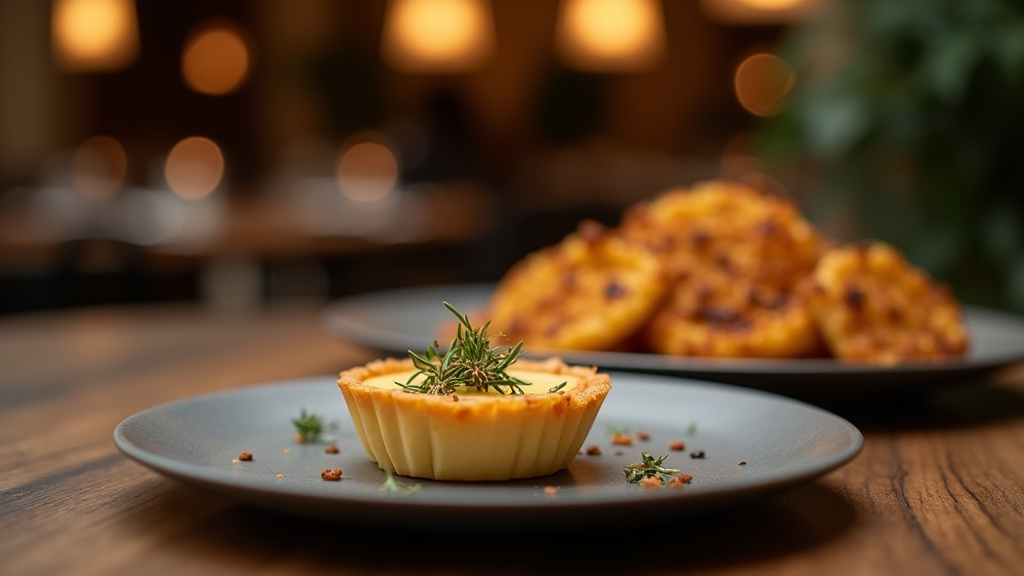
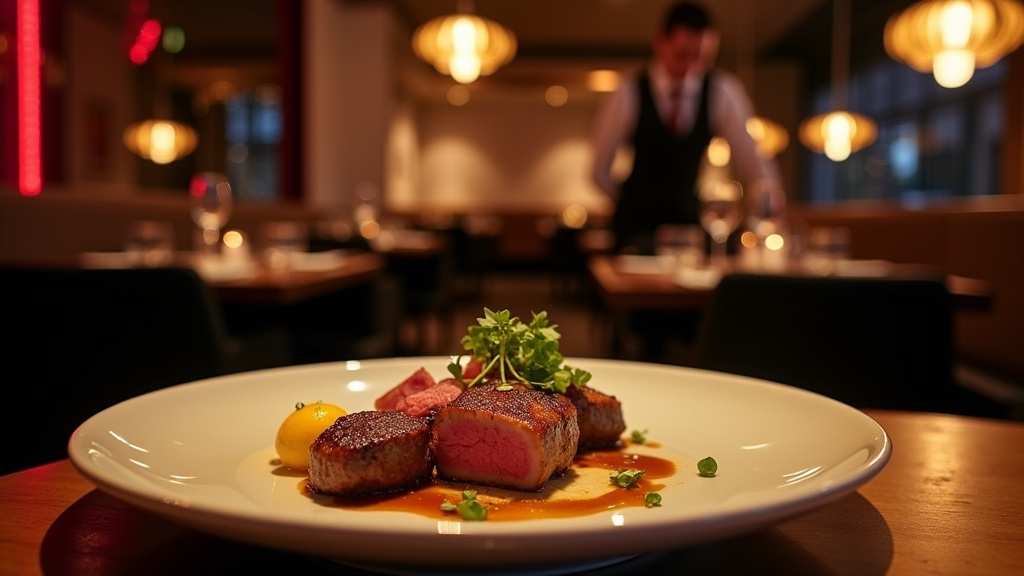
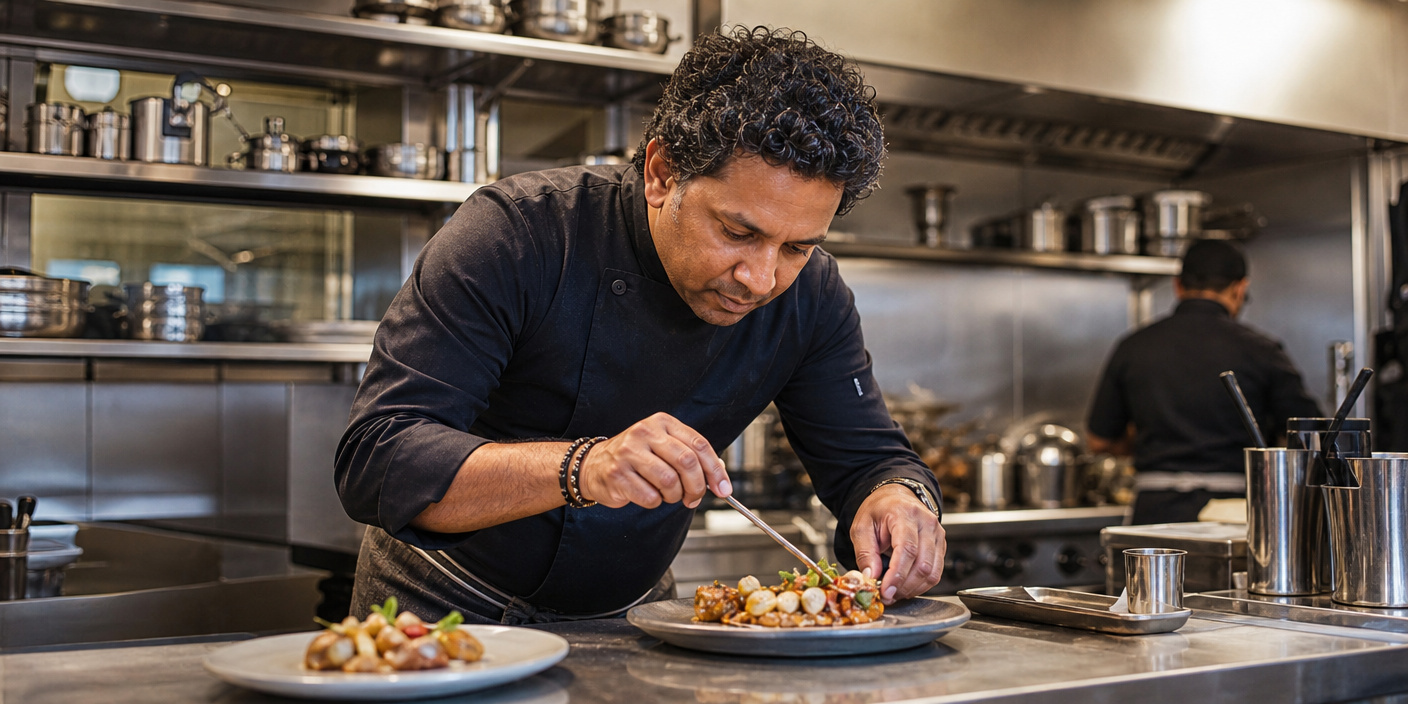
What sets this opening apart is the commitment to a culinary menu that mirrors the beverage offerings. Unlike standard coffee shops that relegate food to ‘grab-and-go’ pastries, Cup of Joy has implemented a full kitchen serving dishes that pay homage to the coastal regions of the Aegean. From traditional meze-style small plates updated for a modern brunch setting, to olive oil-forward pastries and savory breads, the menu is designed to slow down the pace of the typical London morning. This aligns with a growing post-2025 consumer trend: the return to ‘leisurely consumption,’ where patrons prioritize the environment and the provenance of ingredients over the speed of service.
Architectural and Aesthetic Ambience
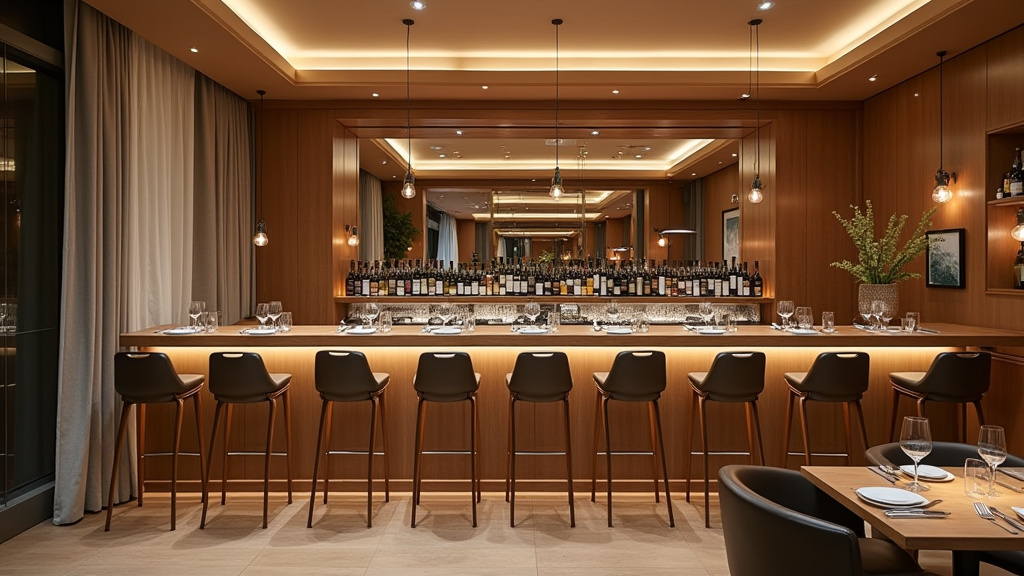
Designing a space that bridges the gap between a bustling Istanbul institution and the refined, historic architecture of Marylebone presented a unique challenge. The interior design avoids the stark industrialism of recent years, opting instead for ‘warm organic’ textures. Think terracotta tiles, brushed brass hardware, and soft, natural lighting that attempts to replicate the morning sun hitting the Bosphorus.
The layout is distinctly zoned. The front of the house is dedicated to the high-energy espresso bar, where the baristas engage in the performance of specialty extraction. Moving toward the back, the seating becomes more intimate, creating a transition from a fast-paced transit point to a destination for long-form social dining. This architectural duality is a deliberate nod to the multi-functional nature of Turkish coffee houses, which historically served as social hubs, libraries, and meeting places.
The Economic Pulse of Marylebone
Marylebone has long been a bellwether for the London restaurant industry. With its high concentration of boutique retailers and a sophisticated, affluent catchment area, it serves as the ultimate litmus test for international brands entering the UK. The decision to launch here, rather than the trendy but volatile neighborhoods of East London, speaks to a strategy of longevity. By planting roots in a historic district, Cup of Joy is positioning itself as a neighborhood staple rather than a transient pop-up.
Analysts suggest that the specialty coffee market in London is maturing. Consumers are moving away from generic ‘premium’ coffee and are seeking out brands with deep-rooted heritage—stories that can be tasted in the cup. Cup of Joy’s entry represents a broader trend: the ‘Boutique Globalism’ of hospitality, where regional heritage brands are scaling globally without diluting their cultural identity. This is particularly vital in 2026, where the UK consumer is increasingly well-traveled and culturally literate, demanding authenticity over mere novelty.
Future Predictions and The Road Ahead
As Cup of Joy settles into its Marylebone home, industry watchers are observing its operations closely for signs of a wider UK expansion. The model—combining high-end coffee with a robust, authentic food program—is replicable, yet notoriously difficult to execute at scale without losing quality. If the early response in July 2026 is any indication, the London market is hungry for this specific intersection of heritage and innovation.
We anticipate that this opening will influence other international coffee brands to prioritize culinary depth alongside their beverage menus. The ‘Coffee Shop’ of the future is quickly evolving into the ‘All-Day Cafe,’ and Cup of Joy is currently at the vanguard of this transition in London.
FAQ: People Also Ask
1. Where is the new Cup of Joy located?
The restaurant is located in the Marylebone district of London. Specific address details are featured on their official site, positioning it centrally for both local residents and visitors to the neighborhood.
2. What makes the coffee at Cup of Joy different from other London cafes?
Cup of Joy utilizes specific brewing techniques and sourcing practices rooted in the Aegean and Turkish traditions, providing a flavor profile that differs from the typical lighter-roast Scandinavian or Australian styles prevalent in London.
3. Is this the first Cup of Joy location in the UK?
Yes, the Marylebone opening on July 27, 2026, marks the brand’s first official entry into the United Kingdom.
4. Do they serve food, or is it just coffee?
They offer a full menu that pairs with their coffee, featuring Aegean-inspired dishes, including traditional meze-style plates and savory pastries, moving beyond the standard cafe pastry selection.