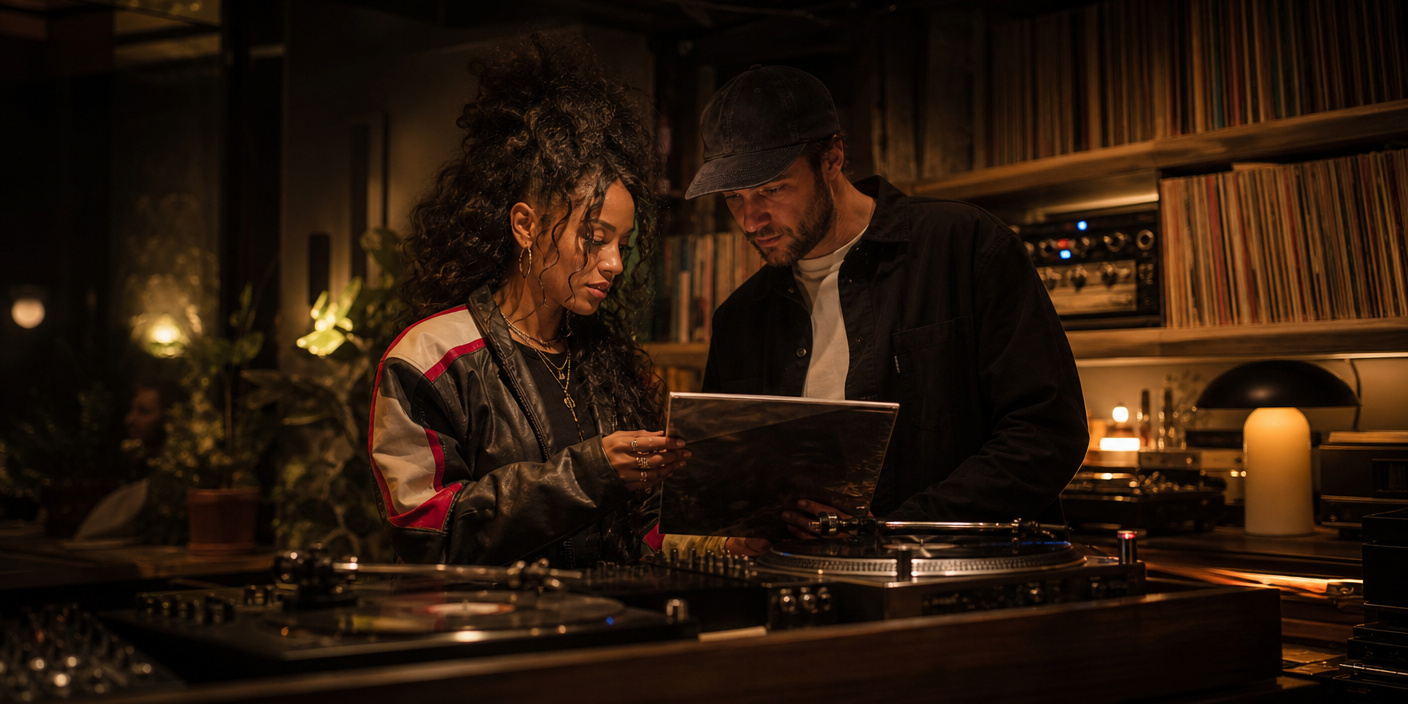
London is bracing for the 60th-anniversary celebrations of the Notting Hill Carnival, and among the city’s vibrant cultural tapestry, one project stands out for its meticulous focus on audio heritage. Peckham’s revered Hi-Fi listening bar, Jumbi, has announced an ambitious, immersive sonic archive project. Curated by industry heavyweights Nia Archives and Bradley Zero, this initiative serves as a definitive audible timeline, featuring 60 essential tracks that have not only shaped the sound of the Carnival but have also fundamentally constructed the trajectory of British music history. As the bank holiday approaches, this project offers a necessary deep dive into the rhythms, basslines, and socio-political expressions that have defined the UK’s Caribbean diaspora experience since the mid-1960s.
Key Highlights
- Landmark Milestone: Celebrating the 60th anniversary of Notting Hill Carnival, Jumbi has launched a bespoke, curated vinyl archive.
- Curatorial Heavyweights: The selection of 60 tracks is spearheaded by trailblazing jungle artist Nia Archives and acclaimed DJ Bradley Zero.
- Sonic Storytelling: The archive spans six decades, charting the evolution from early ska and reggae to the modern jungle and electronic sounds prevalent at Carnival today.
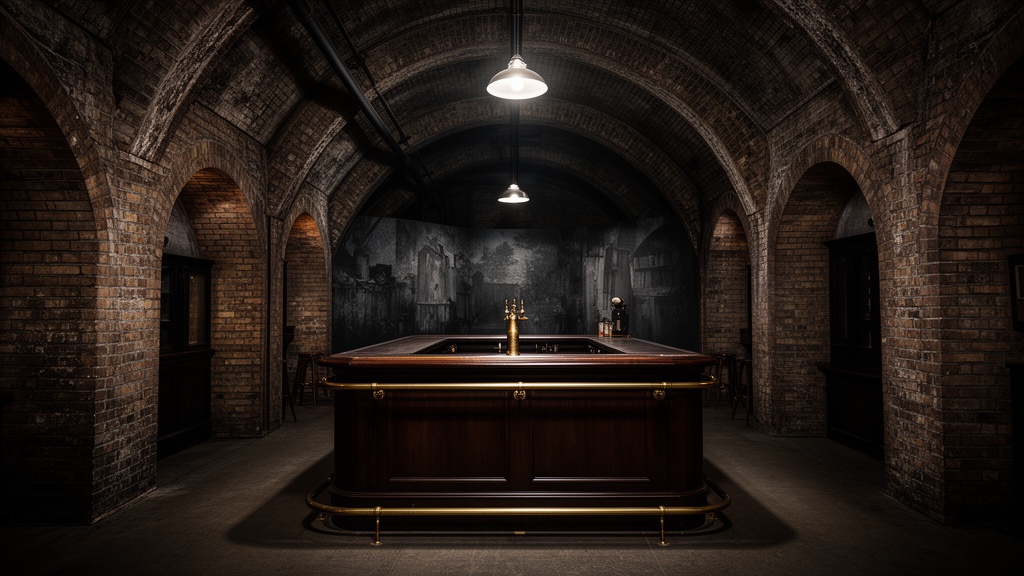
- Venue Significance: Jumbi in Peckham provides an intimate, Hi-Fi environment for this archive, shifting the focus from the chaotic energy of the streets to the nuanced history of the music itself.
The Sonic Tapestry of a Cultural Movement
The Vinyl Blueprint: Preservation Through Sound
At the heart of the Notting Hill Carnival lies the sound system culture—a pillar of Caribbean identity that was transplanted to London and evolved in the post-war era. The archive at Jumbi is not merely a playlist; it is a meticulously curated vinyl repository. By focusing on 60 tracks—one for each year of the Carnival’s existence—the curators have created a tangible artifact of cultural progression. Vinyl, as a medium, provides a sonic warmth and an authentic fidelity that digital streams often fail to replicate, making it the perfect vessel for this specific historical undertaking. This collection serves as a sonic time capsule, allowing listeners to trace the evolution of sound system culture, from the roots-reggae movements of the 1960s and 70s to the high-energy jungle and drum-and-bass revolution that Nia Archives champions so effectively today.
Meet the Curators: Bridging the Generational Divide
The involvement of Nia Archives and Bradley Zero is a masterstroke in curation. Bradley Zero, a stalwart of the London underground scene and founder of Rhythm Section, brings a scholarly approach to DJing, deeply rooted in the history of global sounds and the community-building aspects of record collecting. Conversely, Nia Archives represents the new guard—a multi-hyphenate producer and DJ who has single-handedly revitalized the jungle genre, connecting it back to the ancestral roots of the Carnival while pushing it into a contemporary pop-culture sphere. Their combined expertise ensures the list is not just a ‘greatest hits’ compilation, but a thoughtful exploration of genre-bending influences, underground movements, and the political undercurrents that have sustained the Carnival through six decades of societal change.
The Jumbi Factor: Why Peckham?
Peckham, South London, has become a hotbed for cultural innovation, and Jumbi sits at the epicenter of this shift. As a Hi-Fi listening bar, the venue is specifically designed for ‘deep listening.’ Unlike the boisterous, expansive energy of the streets during the Carnival weekend, Jumbi provides a sanctuary. This setting is crucial for the archive’s impact. It demands that the listener engage with the music on a focused level. By removing the distraction of the crowd and focusing on the acoustic quality of the room, the venue allows the archive to act as an educational tool. This project elevates the discourse around Carnival—moving it from a passive party experience to an active, intellectual exploration of diaspora history.
Secondary Angles: Cultural Preservation, Economic Impact, and Future Projections
Beyond the event itself, this archive highlights three critical areas of interest. First, the cultural preservation angle: as gentrification continues to shift the landscape of London, maintaining physical archives of music history is vital. This project proves that venues can be more than just consumption spaces; they can be cultural curators. Second, the economic impact of the ‘listening bar’ trend in the UK is significant. These venues are creating new niches for music-focused tourism, attracting audiophiles who are willing to spend more for high-fidelity experiences. Finally, regarding future predictions, we are likely to see a surge in similar ‘sonic archive’ events. As music discovery becomes increasingly algorithmic and transient, the demand for human-curated, historic, and physical media experiences is set to rise, particularly for events with deep-rooted cultural heritage like Notting Hill Carnival.
FAQ: People Also Ask
Q: What is the significance of the 60 tracks in the Jumbi archive?
A: The 60 tracks represent a curated timeline—one essential recording for every year of the Notting Hill Carnival’s 60-year history. It serves as a sonic documentary of the event’s evolution.
Q: Can I visit the Jumbi archive during the Carnival weekend?
A: Yes, Jumbi is hosting the archive during the Carnival bank holiday period, offering a calm, high-fidelity retreat from the festivities for those interested in the music’s historical context.
Q: Why were Nia Archives and Bradley Zero chosen to curate?
A: Their selection reflects a blend of historical reverence and contemporary innovation. Bradley Zero provides the depth of underground history, while Nia Archives offers a bridge to the modern jungle and electronic sounds that are currently dominating the UK scene.
Q: Is the Jumbi listening bar open to the public during this event?
A: Jumbi is a public-facing venue in Peckham; however, given the nature of the event and the prestige of the curators, it is recommended to check their official scheduling and capacity policies during the bank holiday period.