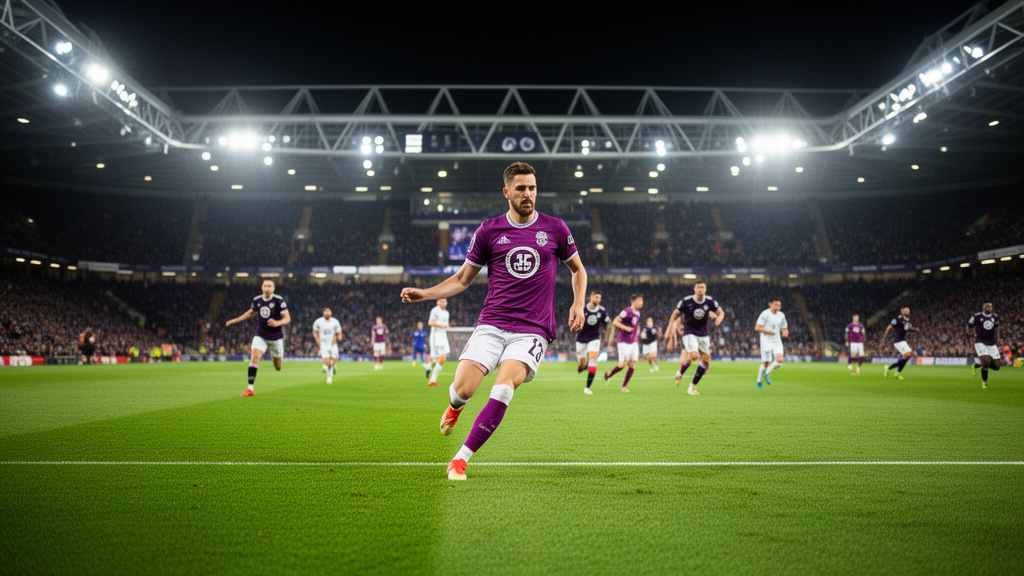
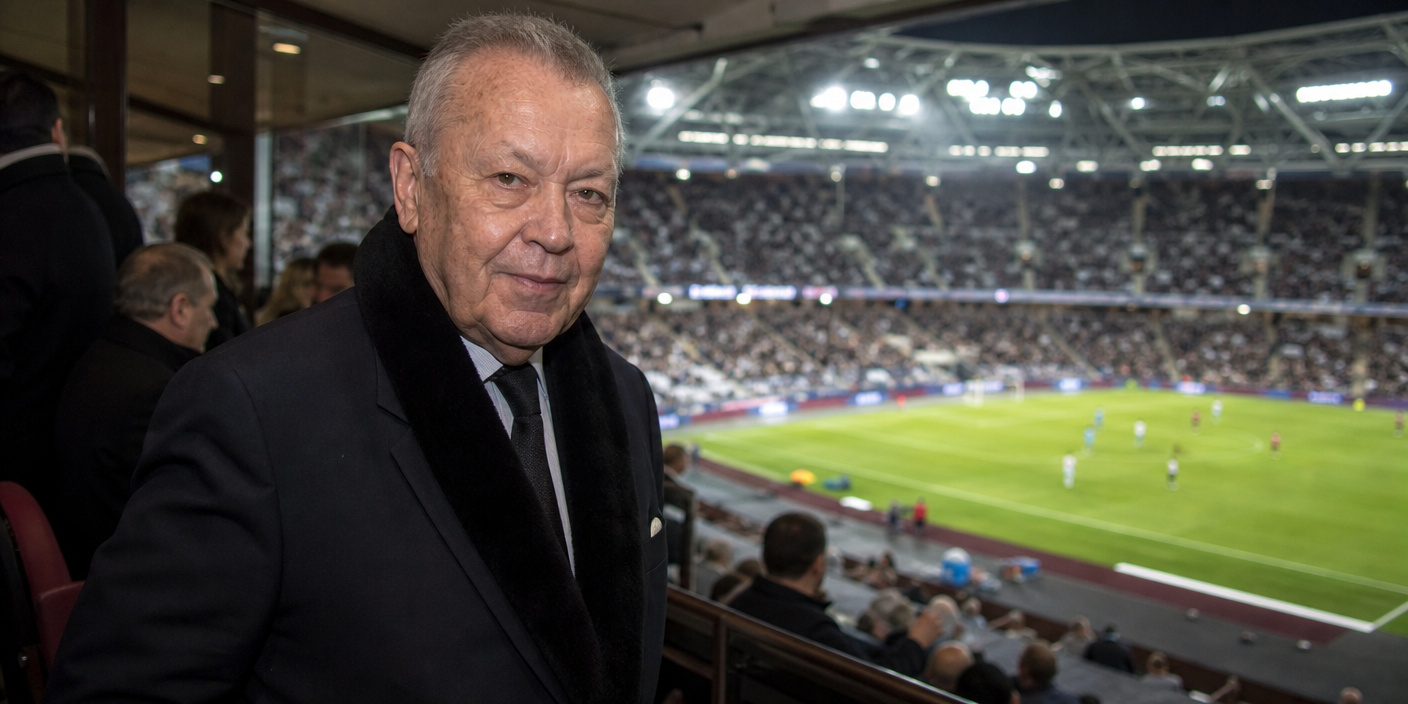
West Ham United co-owner David Sullivan has sparked significant controversy after attending the club’s League Cup fixture against Portsmouth, a move made in direct defiance of safety and reputation management guidance issued by London Stadium authorities. The presence of the billionaire executive at the high-profile event comes amid an ongoing sexual misconduct investigation, raising urgent questions regarding corporate governance, stadium safety protocols, and the boundaries of executive power within top-flight English football.
The Incident: A Clash of Authorities
The tension between stadium operators and club ownership reached a breaking point during the recent League Cup encounter at the London Stadium. Reliable sources indicate that David Sullivan, who has been a central figure in West Ham’s ownership structure for over a decade, was advised by security and administrative officials at the venue to abstain from attending the match. The recommendation was reportedly rooted in the sensitive nature of the ongoing investigation into sexual misconduct allegations against him.
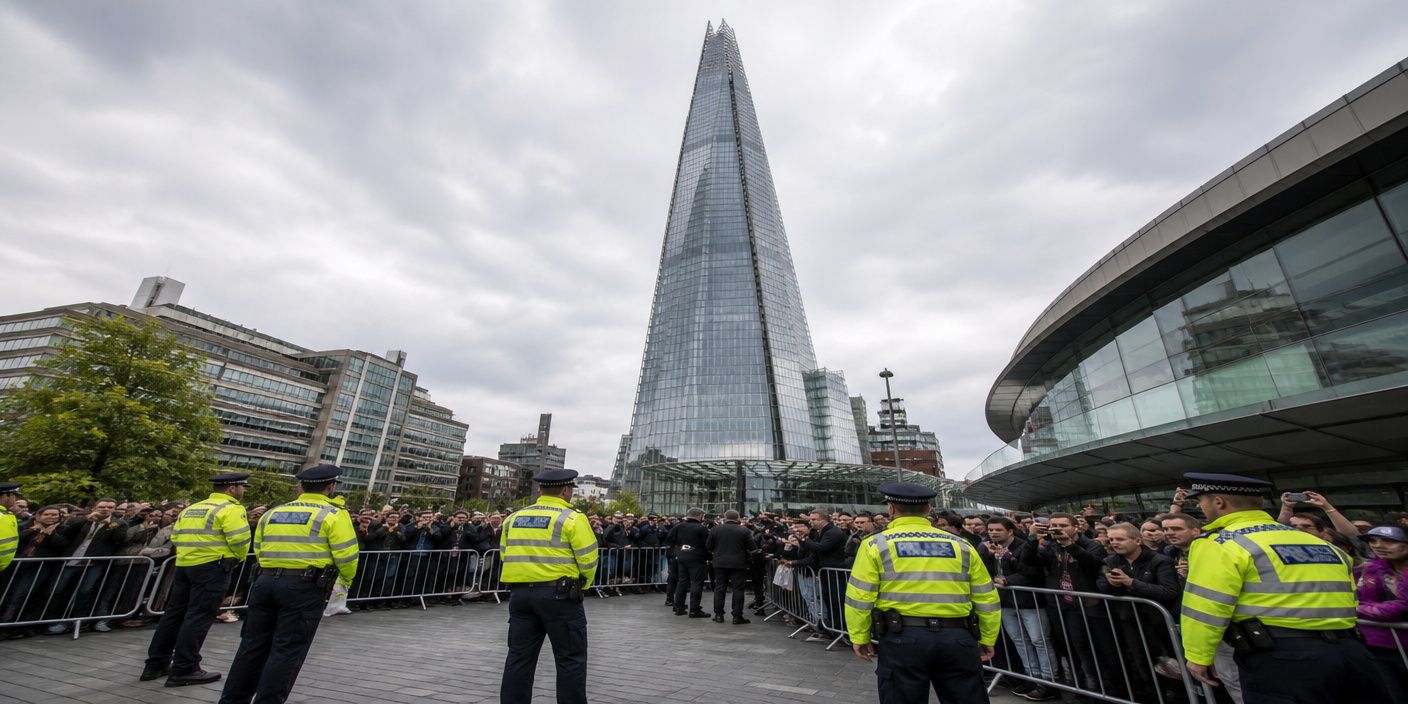
Despite the clear guidance to minimize his public profile while the probe is active, Sullivan chose to attend. This decision has effectively pitted the club’s ownership against the operational management of the London Stadium, creating a precarious situation for security teams tasked with maintaining order. When high-profile stakeholders disregard official security advice, it creates a unique challenge for venue staff who are responsible for the safety and reputational integrity of the ground. By choosing to appear in the executive area, Sullivan arguably forced a confrontation, prioritizing his presence at the game over the risk mitigation strategies proposed by the stadium management.
The Legal and Regulatory Backdrop
At the heart of the issue is the ongoing sexual misconduct investigation. While Sullivan has not been charged with any crime, the mere existence of such an investigation places him in a category of high-scrutiny figures. The Premier League and the English Football League (EFL) have been tightening their Owners’ and Directors’ Tests, emphasizing ‘good character’ and the reputation of the sport. While these rules typically apply to the acquisition of clubs, the behavioral expectations of existing owners remain a subject of intense debate.
If stadium authorities determine that an individual’s presence poses a liability—or creates a volatile environment—their ability to restrict access is often tested by the very power dynamics inherent in football ownership. In this case, the stadium’s directive was likely intended to avoid potential protests, public backlash, or logistical security issues. Sullivan’s refusal to heed this advice suggests a belief in his prerogative as an owner, potentially ignoring the modern reality that optics, reputation, and corporate governance are now inextricably linked to the operational success of a football club.
Operational Friction: Ownership vs. Venue Management
One of the most complex aspects of the London Stadium arrangement is the distinction between the club, West Ham United, and the stadium operator. Unlike traditional clubs that own their grounds, West Ham operates as a tenant of the London Stadium. This creates a distinct separation of duties, where stadium officials hold the authority to manage the facility’s day-to-day security and public relations.
When that authority is challenged by the club’s ownership, it creates a jurisdictional nightmare. Security protocols are designed to ensure safety and mitigate reputational damage for all parties involved. By ignoring these professional recommendations, Sullivan has underscored a fundamental tension in modern sports: who truly commands the environment? If owners can bypass the security protocols of their landlords, it calls into question the effectiveness of the security apparatus and the potential for increased fan animosity. For the stadium management, this is not just about the match itself; it is about the broader concern of maintaining a safe, neutral space that is not overshadowed by the personal legal battles of those in the executive boxes.
Secondary Angles: Examining the Fallout
1. The Shift in Corporate Responsibility: The #MeToo era has significantly altered the landscape of corporate governance in professional sports. Clubs are no longer viewed merely as sporting entities but as global brands with deep obligations to their fanbases and sponsors. Sullivan’s choice to attend the match despite the allegations and advice against doing so may signal a reluctance to adapt to these new, stricter standards of accountability. The industry will likely watch closely to see if sponsor relationships or commercial partners demand more formal distancing during active investigations.
2. The Vulnerability of Stadium Staff: This incident highlights the often-thankless position of venue security and management. Stadium personnel are charged with navigating these high-stakes conflicts, often lacking the political capital to enforce their own recommendations against powerful club figures. This incident serves as a case study in the power imbalance within modern sporting venues and may lead to new, more rigid protocols for VIP access during sensitive legal periods.
3. Fan Sentiment and Club Identity: West Ham’s fanbase is known for its passionate engagement with ownership. The presence of an owner embroiled in a controversy of this magnitude is a lightning rod for criticism. Should such attendances become a recurring point of friction, it may force fan groups to organize, potentially leading to protests or public displays of disapproval that can distract the team and disrupt the match-day atmosphere. The long-term impact on fan morale cannot be discounted when ownership issues bleed onto the touchline.
FAQ: People Also Ask
Q: Why were authorities concerned about David Sullivan’s attendance at the match?
A: London Stadium authorities were concerned due to the ongoing sexual misconduct investigation against him. Their advice to stay away was likely a risk-management strategy to avoid negative publicity, potential security concerns, or fan unrest associated with the controversy.
Q: Does David Sullivan have the right to attend matches despite the probe?
A: As a co-owner, Sullivan generally retains the right to attend matches. However, stadium authorities can issue advisories or security protocols. His decision to ignore the advice highlights a conflict between his rights as an owner and the stadium’s operational authority to maintain a controlled environment.
Q: How does this incident impact the Premier League’s reputation?
A: Such incidents place pressure on the Premier League and the EFL to demonstrate that they can enforce standards of conduct effectively. If high-profile figures continue to act in ways that seem to disregard standard risk management, it fuels the narrative that the sport’s regulatory bodies lack the teeth to hold owners accountable during investigations.