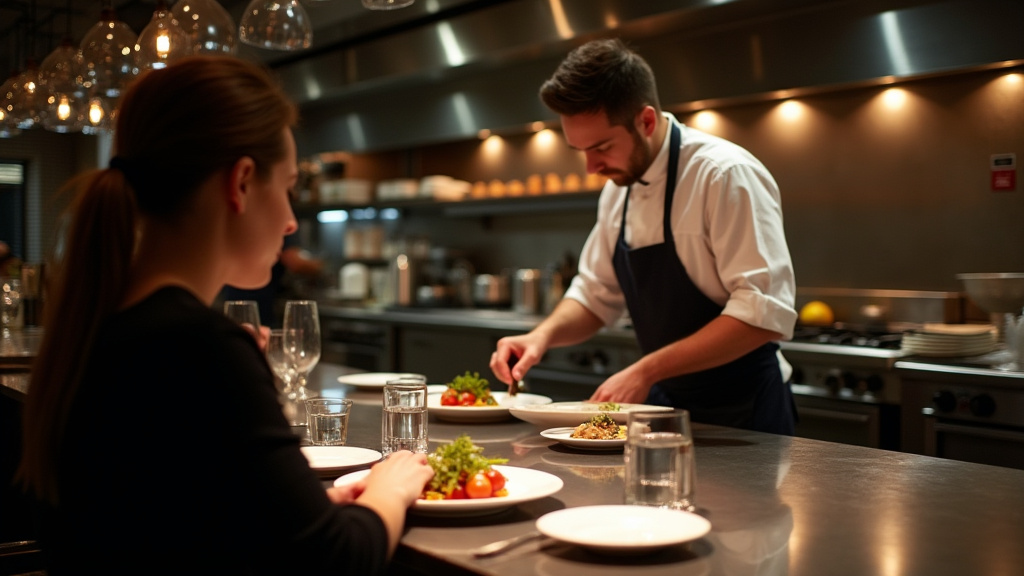
London’s dining scene is undergoing a profound transformation this season, pivoting away from standard white-tablecloth service toward intimate, high-impact culinary encounters. From chef-led counters that break the fourth wall between kitchen and patron to a renewed focus on hyper-local steakhouse traditions, these 14 openings are redefining the capital’s gastro-landscape. As consumers increasingly prioritize experiential dining over mere consumption, the market is responding with high-concept spaces that emphasize craftsmanship and transparency.
Key Highlights
- The Rise of Counter Culture: An industry-wide shift towards intimate, counter-style seating that prioritizes the interaction between the chef and the diner.
- Steakhouse Evolution: A departure from traditional, heavy grill rooms toward modern, sustainable, and transparent meat sourcing.
- Sommelier-Led Narratives: Restaurants are increasingly focusing on unique, obscure wine regions and non-traditional pairings as a core pillar of the dining experience.
- Experiential Dining: A focus on theatrical preparation, open-fire cooking, and hyper-seasonal menus that change frequently to highlight local provenance.
The New Era of London Gastronomy
London’s hospitality sector is currently navigating a complex economic environment, yet the appetite for innovation remains undimmed. This season’s crop of openings—including The Devonshire, Pavyllon, The Wolseley City, Brooklands by Claude Bosi, Mountain, Humo, Bistro Freddie, Socca, Arlington, Akoko, Kiln, 64 Goodge Street, Noble Rot Mayfair, and Roe—collectively tell a story of a city that refuses to compromise on quality, even as it adapts to changing consumer demands. The overarching theme is one of ‘accessible luxury’—where world-class technique meets a relaxed, convivial atmosphere.
The Shift to Counter-Style Dining
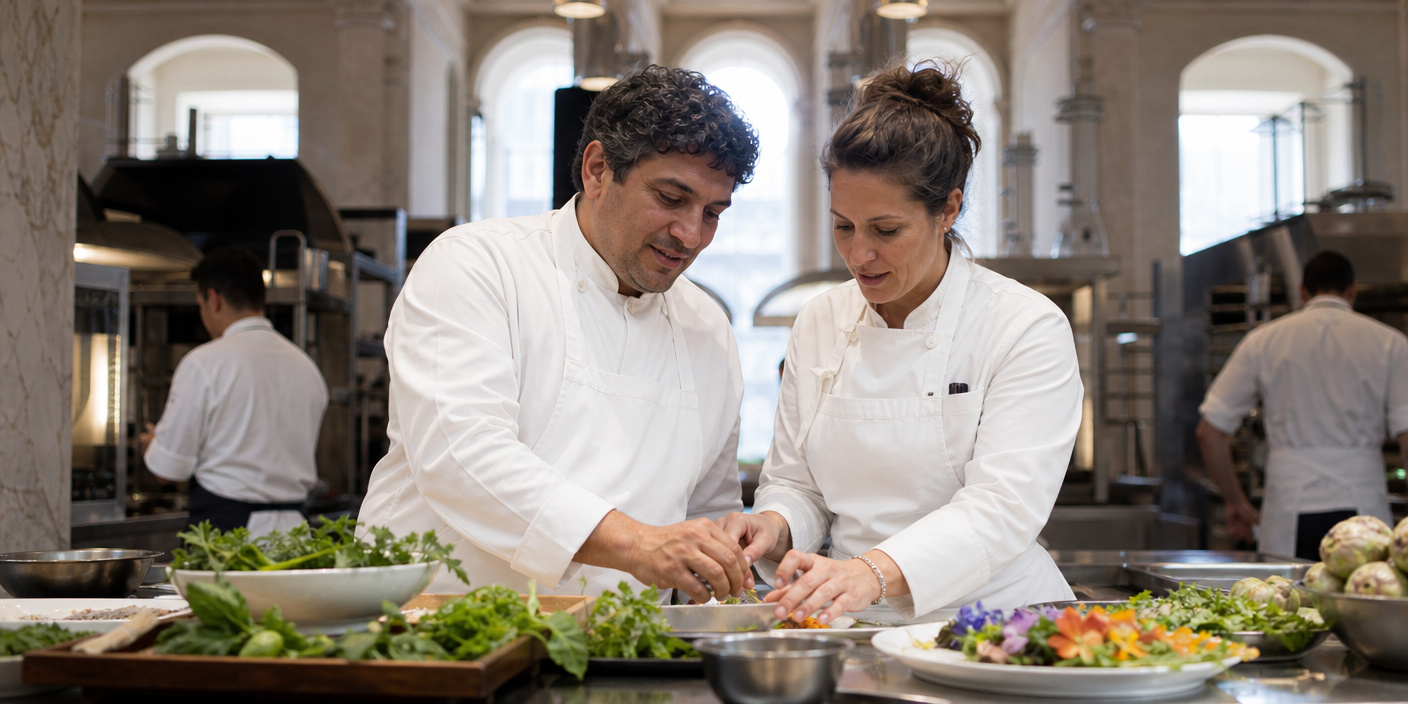
The most significant trend this season is the removal of the barrier between the back-of-house and the front-of-house. Establishments like Humo and Mountain have mastered this, utilizing counter seating to turn the meal into a piece of performance art. This is not merely about space efficiency; it is a deliberate architectural choice designed to foster trust. When diners can see the precise application of heat, the careful plating, and the genuine passion of the kitchen brigade, the value proposition of the meal increases exponentially. It transforms the diner from a passive customer into an active witness of culinary craftsmanship.
The Modern Steakhouse Renaissance
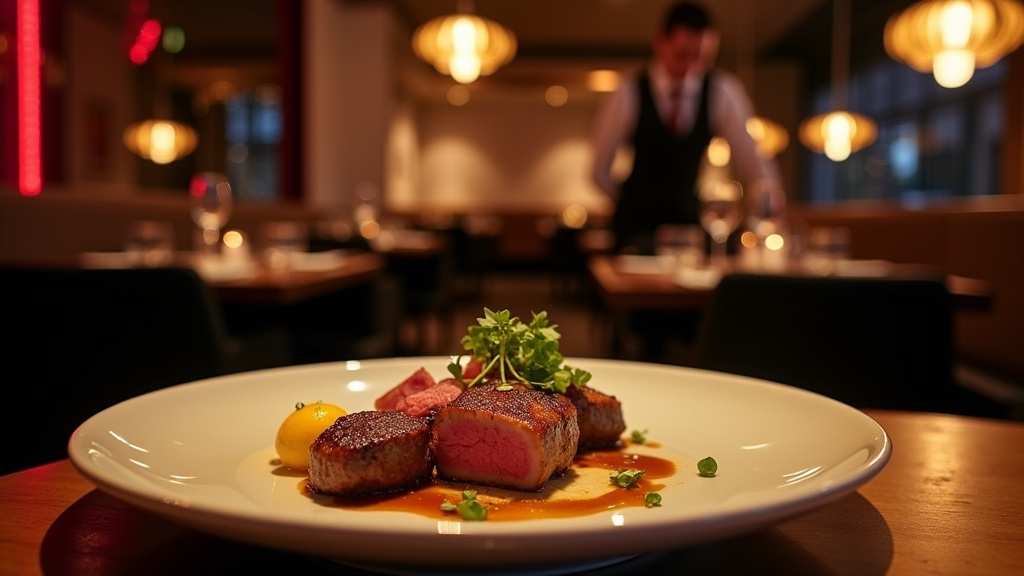
Historically, the London steakhouse was synonymous with excess, dark wood, and heavy, predictable menus. Today’s iteration, exemplified by the success of venues like The Devonshire, focuses on the sourcing of the animal and the transparency of the supply chain. Sustainability is no longer a marketing buzzword but a prerequisite. We are seeing a move toward dry-aging on-site, a deeper appreciation for heritage breeds, and a commitment to utilizing the whole animal. This approach appeals to the modern, ethical consumer who wants to indulge in red meat while feeling confident about its origins and environmental impact.
Terroir and The Sommelier’s Vision
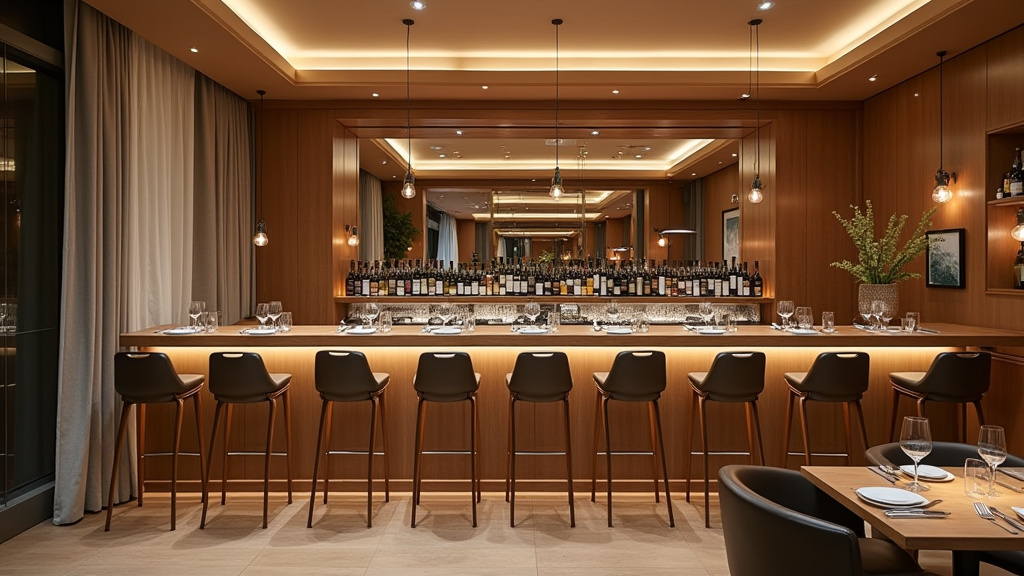
Gone are the days of predictable, heavy-hitting wine lists that prioritize global brands over character. The current season marks a surge in sommelier-driven menus that champion obscure viticulture. Noble Rot Mayfair sets the standard here, treating wine not as an accompaniment but as an essential narrative thread of the meal. By highlighting unique terroirs—often from Eastern Europe, the Mediterranean islands, or lesser-known pockets of France—these establishments offer an educational element that enhances the overall value of the dining experience. It is a push toward intellectualizing the palate.
The Future of High-End Hospitality
Looking ahead, the successful restaurant model in London is one that bridges the gap between the ultra-fine dining experience and the neighborhood favorite. The integration of high-end design with relaxed, unpretentious service—as seen in spaces like Bistro Freddie and 64 Goodge Street—suggests that the future of hospitality lies in ‘warm luxury.’ This creates a sticky customer base; diners return not just for the food, but for the consistency of the atmosphere and the personalized connection they form with the service team. These 14 openings are not just venues; they are the new benchmarks for a city that continues to assert its dominance as a global culinary capital.
FAQ: People Also Ask
Q: Why are ‘chef’s counter’ seats becoming so popular in London?
A: Counter seats offer a front-row view of the culinary process, creating an immersive, theatrical experience. It builds trust, allows for direct interaction with the chefs, and transforms a standard meal into an experiential event.
Q: How has the definition of a ‘luxury’ restaurant changed this season?
A: Luxury is no longer defined by white tablecloths or formal service. It has shifted toward the quality of ingredients, the transparency of the supply chain, and the expertise of the kitchen and front-of-house staff. It is about ‘warm luxury’ rather than stiff formality.
Q: Are these new openings difficult to book?
A: Yes, many of these high-profile spots, such as The Devonshire or Brooklands, experience high demand. It is recommended to secure reservations several weeks in advance, particularly for peak dining times or weekend slots.
Q: Should I expect a dress code at these new London hotspots?
A: Most of these establishments promote a relaxed, ‘smart-casual’ vibe. While you don’t need formal wear, the standard in London remains polished; clean, modern attire is generally expected to match the sophisticated design of these new venues.