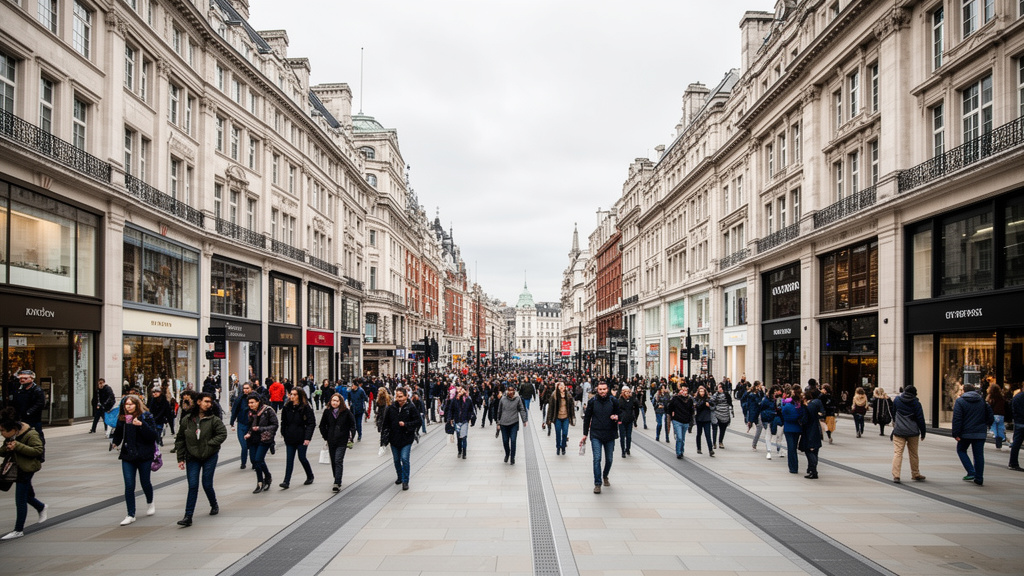
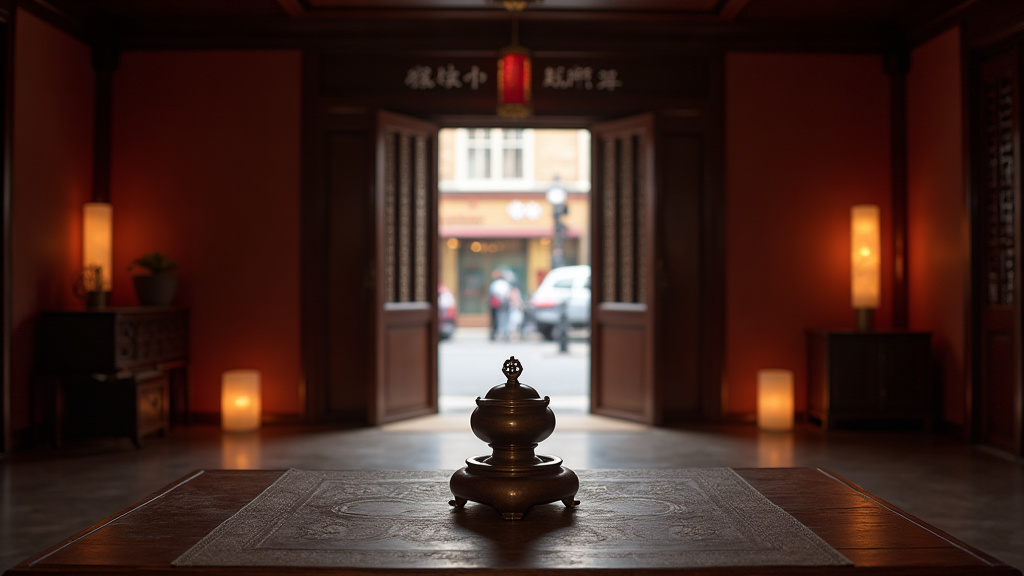
The bustling, neon-lit streets of Soho have long been defined by their eclectic mix of commerce, nightlife, and culture, but a significant shift has occurred with the opening of the TaiQing Temple. Located at 15-16 Berwick Street, this site marks the first-ever permanent place of worship for the Taoist community in London, providing a dedicated sanctuary where rituals, meditation, and cultural exchange can thrive. For a tradition often practiced in transient or residential settings in the UK, the establishment of this physical center represents a major evolution in the integration and visibility of Taoism within Western urban centers.
Redefining Soho’s Spiritual Geography
Soho has historically been an area of rapid change, known for its creative industries and nightlife. The arrival of the TaiQing Temple introduces a layer of spiritual permanence that contrasts sharply with the area’s ephemeral nature. The Taoist Association of Britain, the driving force behind this initiative, has strategically positioned the temple to be accessible to a diverse demographic—ranging from local Chinese diaspora members to curious urbanites and spiritual seekers. By securing a fixed location in one of London’s most competitive property markets, the organization has signaled a long-term commitment to fostering Taoist practice in the UK.
Unlike temporary event spaces or makeshift shrines, the TaiQing Temple features permanently stationed priests, a crucial development for those seeking consistent spiritual guidance, liturgical rites, and educational resources. This presence transforms the temple from a mere historical curiosity into an active community hub. It offers a counterpoint to the frenetic pace of Soho, providing a quiet space for contemplation that is increasingly rare in central London.
The Role of Permanence in Taoist Practice
In Taoism, the concept of harmony with the ‘Dao’ (the Way) is often reflected in the physical environment. The establishment of a dedicated temple space allows for the integration of traditional architectural and ritualistic elements that were previously difficult to maintain. The presence of resident priests ensures that the temple operates not just as a cultural center, but as a site of religious legitimacy. These priests are responsible for maintaining traditional practices, such as the chanting of scriptures, incense offerings, and conducting festivals that follow the lunar calendar.
This move toward permanence serves three primary functions: it provides a centralized authority for practitioners, ensures the preservation of specific ritualistic knowledge, and offers an educational gateway for the wider public. By having priests available, the temple creates a bridge between ancient Taoist philosophy—which emphasizes naturalness, simplicity, and compassion—and the complexities of modern city life. It allows for a structured environment where the complexities of Taoist ceremony can be observed and engaged with in real-time, rather than through secondary literature or academic abstraction.
Bridging Cultures: A New Hub for Meditation and Ritual
Beyond its religious functions, the TaiQing Temple is positioned to become a center for intercultural dialogue. The temple’s design and programming are tailored to facilitate an understanding of Taoist concepts like ‘Wu Wei’ (effortless action) within a modern context. As the temple integrates into the fabric of Soho, it is likely to host workshops, meditation sessions, and lectures that demystify Taoist practices for a broader audience. This transparency and openness are vital for the growth of any minority religious group in a cosmopolitan city like London.
Furthermore, the temple serves as an anchor for the Taoist diaspora. For many Chinese migrants in London, having a recognized, established site for worship is essential for maintaining cultural continuity and religious identity. The temple provides a space where language, tradition, and community interests intersect, fostering a sense of belonging that is crucial for social cohesion in the immigrant experience.
Future Implications and Secondary Angles
1. Urban Planning and Religious Inclusivity: The successful establishment of the TaiQing Temple raises questions about how London’s planning and zoning authorities might better accommodate minority religious spaces. Can this serve as a model for other faith groups looking to establish a foothold in high-demand areas like Soho or the West End?
2. The Evolution of Global Taoism: As Taoism continues to spread globally, the TaiQing Temple acts as a case study for how Eastern philosophies adapt to Western urban environments. This ‘Westernized’ Taoism may eventually develop unique characteristics, distinct from the versions practiced in mainland China or Taiwan, highlighting an interesting cultural synthesis.
3. Economic Impact on Tourism: While religious in nature, the temple also serves as an architectural landmark. Its presence adds to the cultural wealth of Soho, potentially drawing interest from tourists and cultural heritage seekers, which in turn benefits the local economy by diversifying the types of visitors the district attracts.
FAQ: People Also Ask
Q: What is the significance of the TaiQing Temple opening in Soho?
A: It is the first permanent Taoist temple in London, providing a dedicated space for worship and the presence of resident priests, which was previously unavailable in a fixed capacity.
Q: Who runs the TaiQing Temple?
A: The temple is established and operated by the Taoist Association of Britain, which aims to provide a formal home for the local Taoist community.
Q: Can the public visit the TaiQing Temple?
A: Yes, the temple is designed to be a hub for both the community and the public, often offering opportunities for observation of rituals and learning about Taoist traditions.
Q: Why was Soho chosen as the location?
A: Soho is a high-traffic, central hub in London, making it an accessible location for a diverse range of visitors and members of the community, despite the high costs and logistical challenges of the area.